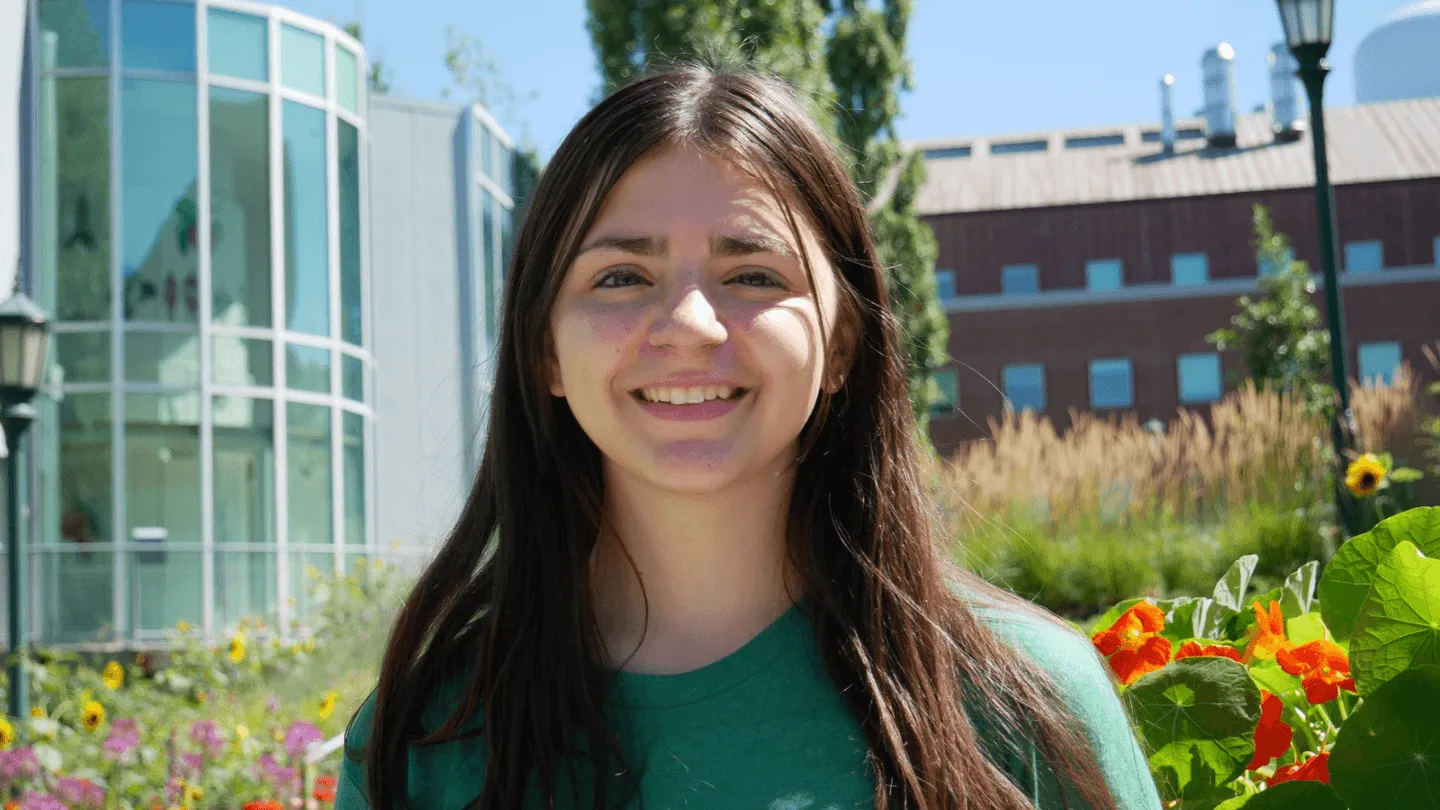
Understanding you had some transitions after college, how did you get to your current role?
After I graduated in December 2025, I didn't have a job lined up. I remember spending the first month or two out of school researching organizations that interested me, spending time with my friends and family, conducting informational interviews, skiing, and creating a website to present my undergraduate experience. Although it was stressful to not have it all "figured out," I look back on this time fondly because it was extremely grounding and helped build relationships that would later be integral to my professional journey.
In February 2026, I attended the Watershed Forestry Partnership Conference at the Davis Center, as it was in line with my field of interest. Despite being one of the only non-affiliated people there, I was able to connect with dozens of people who held careers I was interested in. One of those people was a UVM alum and nonprofit employee who would later become one of my closest mentors.
I remember being extremely intentional with each of my job applications during this time, putting lots of energy into a catered list of opportunities that I felt truly aligned with. I picked up a job at Chipotle as a line cook to continue supporting myself financially.
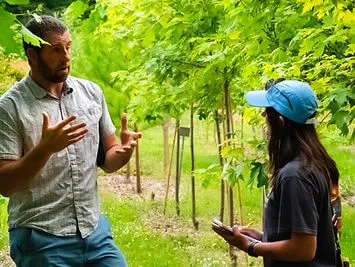
By March, I landed a couple of interviews and received an offer from the non-profit that I had connected with at the conference. The position was for an AmeriCorps Restoration Associate, and I took the role, despite it not being a salaried/long-term position. The next few months were a whirlwind of learning, discomfort, excitement, and change as friends graduated, my role evolved, and I was – somewhat unexpectedly – offered a new position from an environmental consulting firm halfway into my time with the nonprofit.
After reaching out to my network for advice and reflecting internally, I decided to take the new position and end my service early. I truly loved working as an AmeriCorps member, but there were a few non-negotiable factors that contributed to my decision. Through this experience, I gained a lot of appreciation for my support network, who affirmed my decisions and offered advice from their own experiences. The process also showed me the importance of knowing my own professional goals and values. As a result of these transitions, ten months after graduation, I am currently an Environmental Scientist for a consulting firm.
How did networking factor into that opportunity, and into the weighty decisions that you had to face?
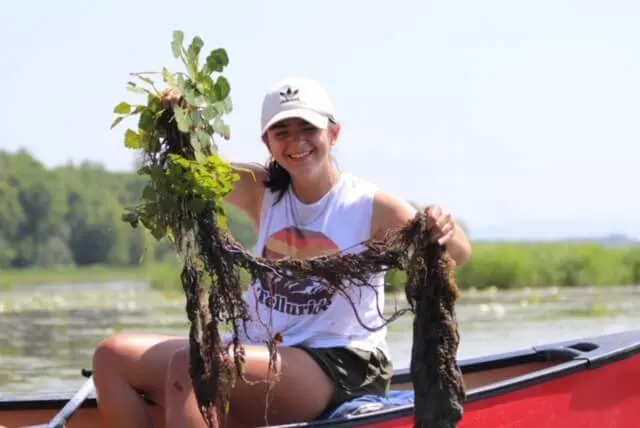
From working at Chipotle to landing my first full-time job, networking played a major role with each and every one of the opportunities I had since graduating. My biggest piece of advice to college seniors and recent grads would be to make as many strong relationships as you can, and don't be afraid to lean on them. It may seem intimidating, but other people are always happy to talk about their passions and make connections with early-career professionals.
My own network was essential in many ways after graduating. My roommate's friend was a manager at Chipotle. A connection I made at the forestry conference contributed to one of the most fulfilling professional opportunities I've ever had. The UVM Career Center helped me with mock interviews and polishing cover letters. The informational interviews I conducted (by cold messaging UVM alums, professionals from my hometown, and people whose work I was interested in on LinkedIn) helped shed light on different industries, career paths, and opportunities.
In my case, the connection that led to my current position was made by a family member, who overheard a conversation on a plane, mentioned my name to the speaker, and recommended I reach out to them. An informational interview led to a potential job offer, which was confirmed a few months later after a series of interviews.
Though my post-grad experience is unique, it serves as a great example of the different places that networking can take someone. Even after starting my current role, the people I've connected with remain invaluable, helping me see new perspectives and make informed decisions about my career path.
Since you relocated, how has your experience been "finding your community?" Were there skills or resources honed in professional networking that supported your social networking, and vice versa?
In June, I moved from Burlington to my hometown in Maryland for my new job opportunity. Finding my community here has been more difficult than I expected, and honestly, I don't think the process will ever "end." In college, I found my community through hiking, climbing, art, contra dancing, and being involved in on-campus activities. Post-graduation, I've had to push myself out of my comfort zone – much like how professional networking feels – to meet like-minded people.
Outside of work, I joined a local climbing gym, where I found a flyer for the Potomac Appalachian Trail Club. I am relatively new to the hiking scene in the Mid-Atlantic, so I reached out to the club officers and asked if I could volunteer my writing and filmmaking skills to their communications team. This October, I ended up going to the club's largest event and (informally and formally) conducted a handful of interviews with many of the club's members. Being able to come up with questions on the spot and have an unplanned yet comfortable conversation with someone is a huge skill that networking helped me strengthen. The event was a great experience, and as a result I know a lot more about hiking trails and folks who hike in my area!
One of my other interests is contra dancing, which is similar to square dancing. There's live folk music, a room filled with people, and an energetic atmosphere charged with collective effervescence. This summer, I found a contra dance society and introduced four of my hometown friends to the scene. They have all since fallen in love with it – an example of how it's a great feeling to introduce other people to new opportunities.
Not every effort I've made to connect with people has been a success, and oftentimes it's easy to lose motivation. However, similar to networking, you never know when the right person or opportunity will offer just what you are looking for.
Camryn Woods graduated in 2026 with a degree in Environmental Studies from the College of Arts and Sciences. She works as an Environmental Scientist/Planner with Stantec in Baltimore, MD. She emphasized that networking is an ongoing effort and wants to help any Catamount looking for networking advice. Reach out to Camryn Woods with networking questions on her LinkedIn page or on UVM Connect.