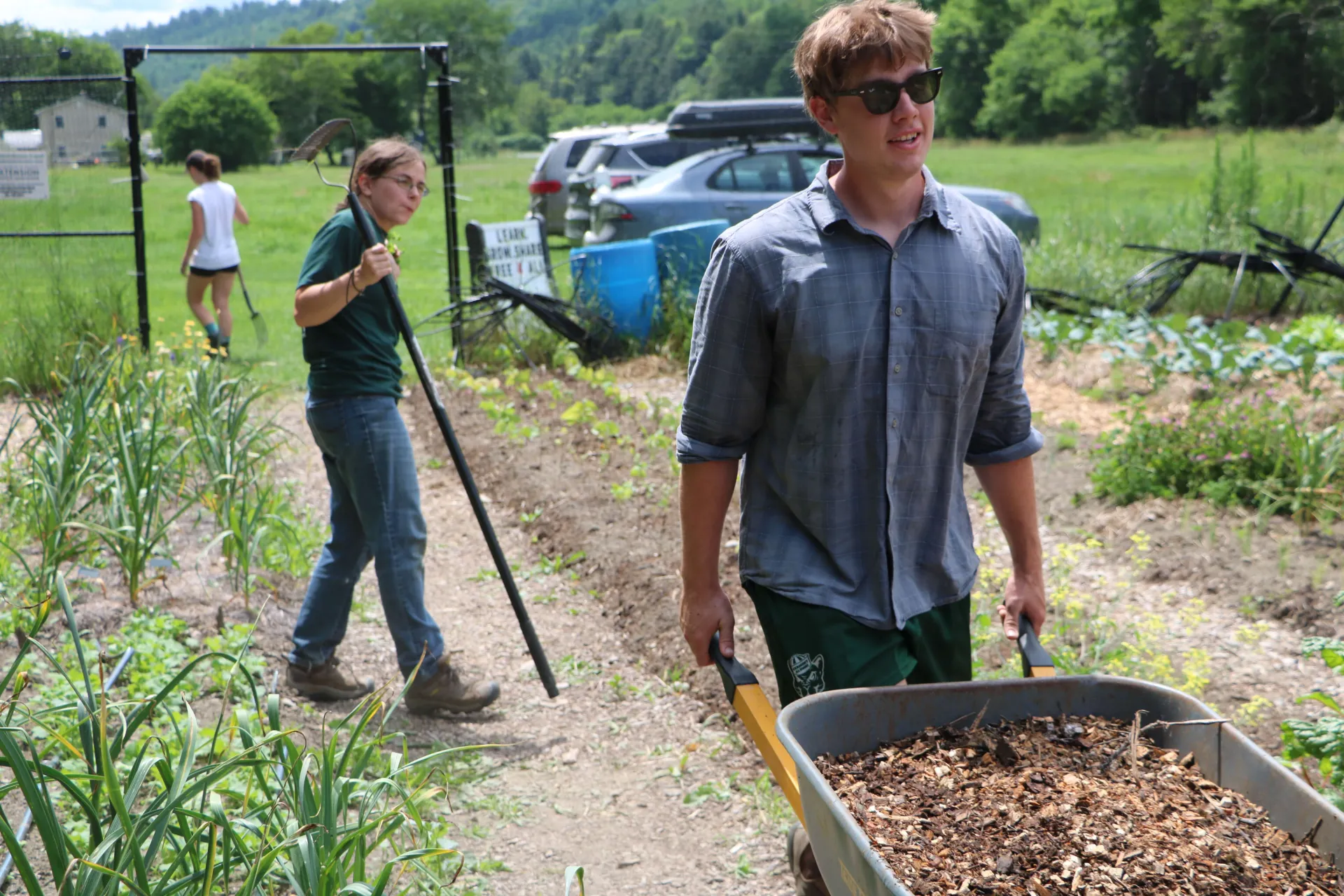
As the University of Vermont enters the final stretch to the school year and Catamounts consider their summer plans, a group of UVM students will be heading south to Brattleboro for a unique summer learning experience together.
Twelve UVM students will spend their summer living and working together in Brattleboro as part of the Leahy Institute for Rural Partnerships’ Statewide Internship Cohort. This year’s efforts will focus on supporting the southern Vermont economy and New Americans living in the region.
Students will live in a dormitory at the School for International Training, just outside downtown Brattleboro. The housing creates an important shared experience to help interns connect when coming to live and work in a new community.
“Arriving in a brand-new community where you don’t know anyone can be a hard, scary thing,” said Kristen Andrews, Summer Internship Program Director at the Leahy Institute and the Career Center. “Being able to do that as a cohort, where they’re living together and talking about what they’re experiencing at their jobs each day, that really helps.”
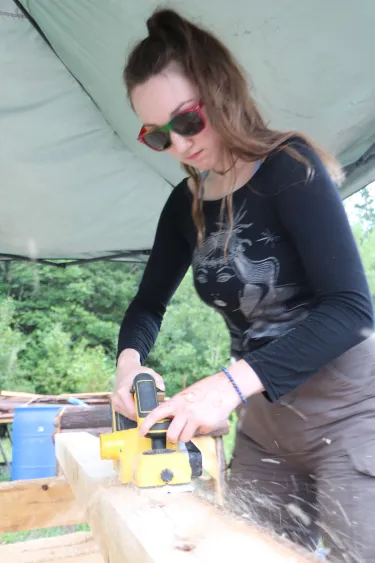
Now in its fourth year, the program embeds UVM student interns in rural communities to spend their summer working with businesses and nonprofits to support the community and surrounding areas while living together and participating in weekly reflection and professional development sessions.
Interns will work 20 hours per week over the 10-week experience: 15 hours at their internship site, three hours in weekly cohort meetings and two hours participating in activities supporting new Americans.
Because students will live at the School for International Training, whose mission includes supporting global education and cross-cultural exchange, interns will dedicate part of their time each week to community activities related to immigrant and refugee communities.
“When I came to UVM, I was asked to make internships more equitable and accessible, a critical need in the current job market,” Andrews said. “This program gives us an opportunity to sort of do a micro-scale. We interface with rural communities to ask them what their goals are and what they want to accomplish. They curate a group of intern hosts – many of whom have never had an intern before – and we help them introduce mentorship into their organizations. And then in years to come, hopefully communities can find ways to be able to continue hosting interns on their own. The program is really designed to empower communities to help them see what's possible in partnership with UVM students.”
This summer’s internship placements were developed in collaboration with the Brattleboro Development Credit Corporation (BDCC), which helped identify organizations that could benefit from intern support. Host organizations include the Community Asylum Seekers Project, the Ethiopian Community Development Council, the United Way and the Downtown Brattleboro Alliance, along with media and community arts organizations across the region. Interns will work on a variety of projects, from coordinating volunteers to event planning and marketing, while living together and collaborating across different organizations.
A central goal of the Leahy Institute's Statewide Internship program is to make experiential learning opportunities more accessible to students while they bring their skills to rural economies. Participants receive a $4,000 stipend, and housing is provided at no cost.
“Because many students are paying for an apartment in Burlington over the summer, the Leahy Institute believes it's crucial to provide financial support for summer housing within the host community.” said Andrews.
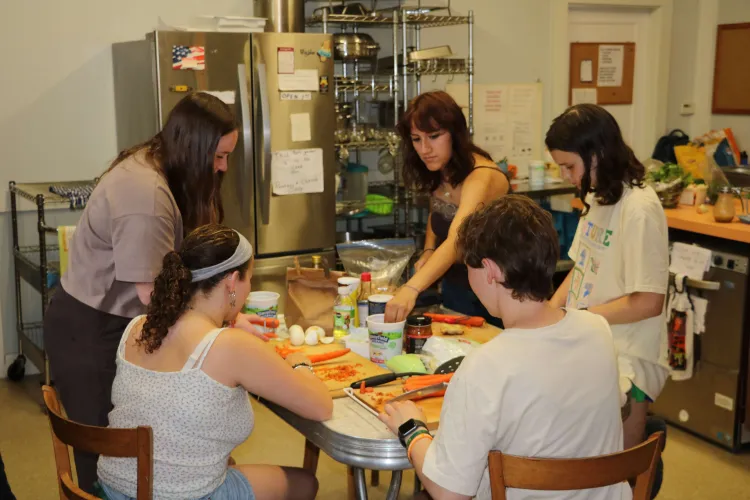
Housing interns is a critical piece of these cohort programs as it allows students to be embedded in the community for the summer. This housing is provided in buildings that would otherwise be vacant, thus not impacting existing housing available to the Brattleboro community. Students will also benefit from participating in a community-supported agriculture share from a local farm, providing fresh produce each week, along with opportunities to cook meals together.
“The Leahy Institute understands some of the barriers our students face as they pursue internships," said Andrews. "By providing housing, pay, and support, we're able to make these internships accessible to a wide range of students.”
Brattleboro internship details are now posted through the Leahy Institute for Rural Partnerships website with application links for Handshake. Students are encouraged to apply as soon as possible to take advantage of this summer opportunity.