When Isabella Bennett graduated with her PhD in the spring of 2025 she wasn't sure what she wanted to do.
"With a variety of career interests, it was a bit difficult to decide which to prioritize," she recalled.
Bennett, who goes by Bella, says in her current role as a landslide geologist at the Washington Geological Survey, she gets to do a little of everything she loves: "science that serves the public, field work, outreach, and plenty of learning opportunities."
Bennett shares what her day-to-day work looks like and how recreating in the outdoor spaces she loves helps keep her excited about the work.
How did you end up with the Gund?
During our first meeting, my—then prospective—advisor, Paul Bierman, told me about the Gund Institute. When I toured UVM in 2019 ahead of submitting my application, I sat in on a talk at the original Gund Institute location, and met with several Gund Graduate and Faculty Fellows. The Gund community felt really unique and welcoming, and it was part of what drew me to UVM. I applied to become a Gund Grad Fellow, and met some really great people through Gund during my time at UVM.
What was your research while you were here?
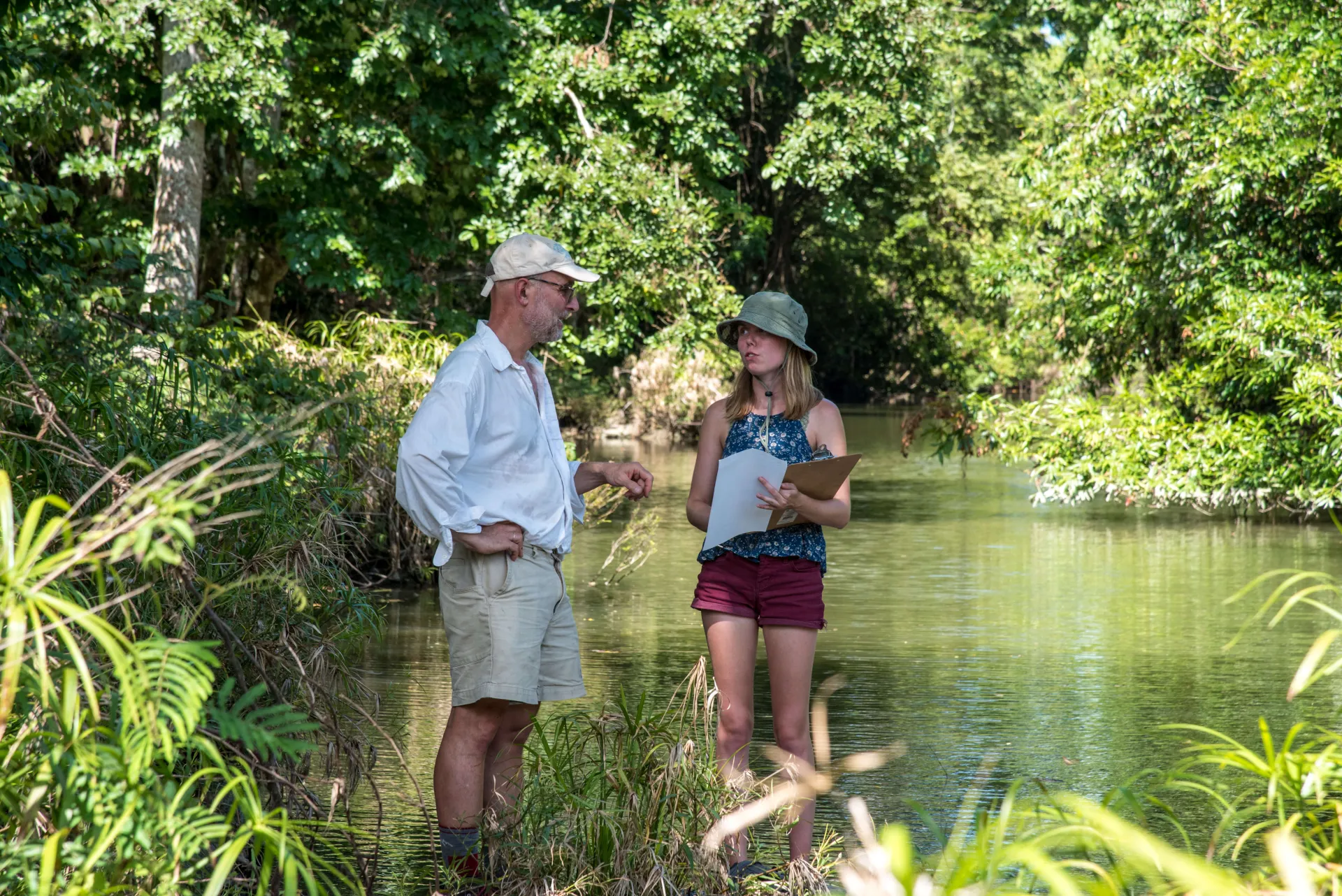
My graduate research was broadly Earth surface processes. Locally, I made an inventory of landslides along Riverside Ave. in Burlington. I then teamed up with fellow Gundie Krizzia Belén-Trineo to design and lead an undergraduate Earth science summer research experience and to develop a model for programs aimed at broadening access to and participation in Earth and geosciences. This program was supported by a Gund Equity and Justice Grant, and it was certainly one of the most meaningful opportunities of my educational experience. Finally, I worked with an excellent group of scientists to measure rates of erosion in Puerto Rico, using data I collected (with the help of several outstanding students from a handful of institutions) during three field excursions.
Tell us a little about your current role as a landslide geoscientist?
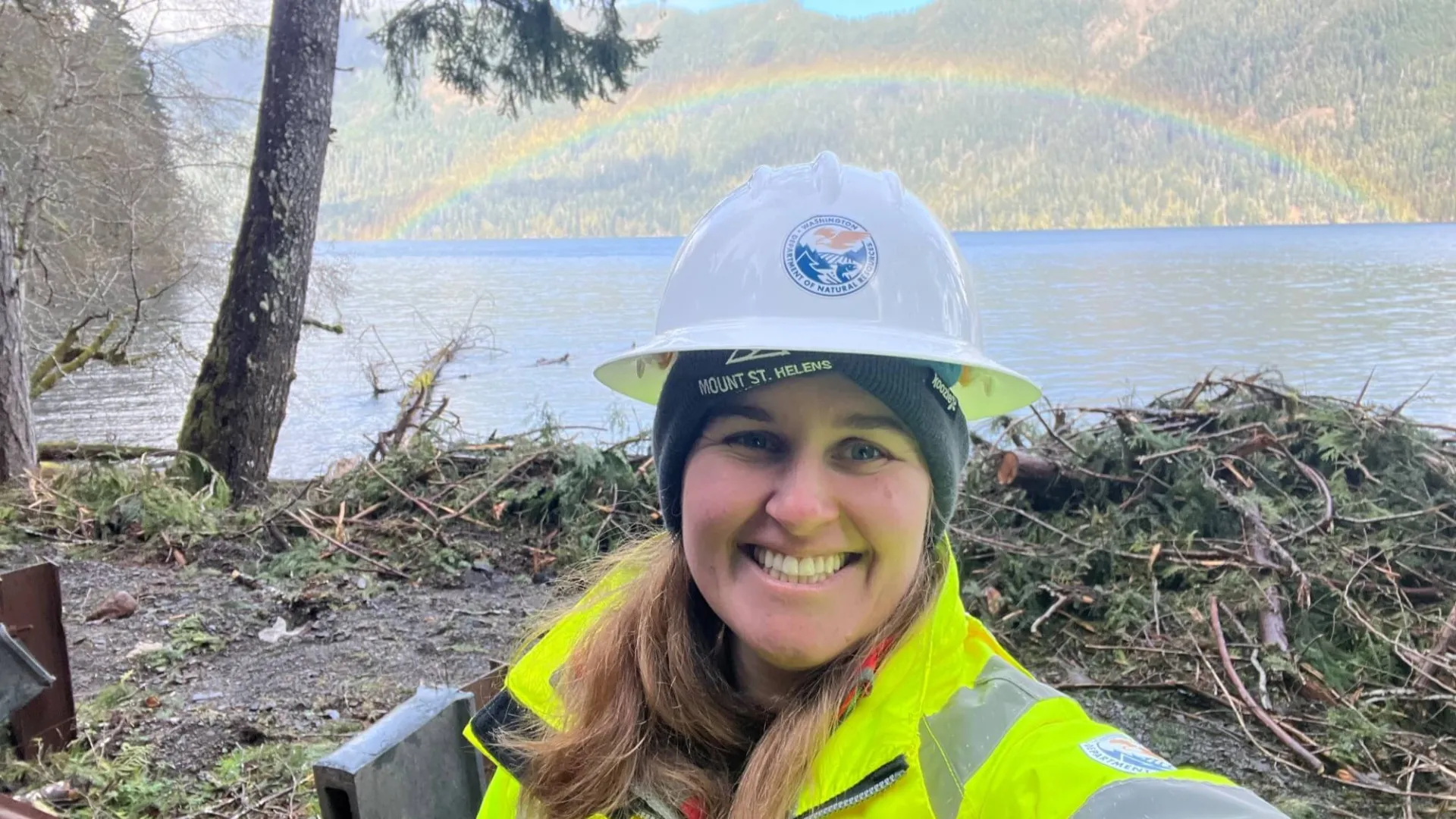
As I was finishing up my PhD, I was also applying to jobs, as I imagine is often the case. With a variety of career interests, it was a bit difficult to decide which to prioritize, and what I might be qualified for. When this role popped up, I was super excited because it includes all of my favorite things—science that serves the public, field work, outreach, and plenty of learning opportunities. So, now I'm one of six members of the Landslide Hazards Program at the Washington Geological Survey. The core of our work is to create a statewide landslide inventory, which requires remote review using GIS and plenty of field work all over the state. We also do emergency response and collect perishable data as needed. This past December we had a series of atmospheric rivers along the west coast, and parts of Washington were heavily impacted by flooding and landslides. As soon as we were able and it was safe to do so, my team was out collecting perishable data to better understand the extent of landslide damage and begin to quantify the number of landslides triggered by this event—I believe that number is over 700 at the present count.
During fire season (summer and fall) I will likely spend a few weeks assisting with burned area assessments, called WALERT. This part of my job involves field work to evaluate burned areas and determine whether there may be increased likelihood of post-fire hazards such as flooding and debris flows.
"Keep following your excitement. It sounds cheesy and privileged, but you will likely work hardest and find the most motivation to do the things you are most excited about." — Bella Bennett
I've also got some exciting outreach coming up. In August, I'll go out to Mount Saint Helens and lead a research project for the program GeoGirls, which provides a week of geoscience education to 7th and 8th grade girl- and non-binary-identifying kiddos. I feel lucky to have found a job that incorporates so many of my interests, and I love knowing that my daily work is contributing to public safety and awareness, and that the products we build are all for the benefit of the public, and as such, publicly accessible.
How did the Gund Institute prepare you for your current position?
Grad school helped me realize that my interests all lie at the intersection of people and the environment, and the Gund Institute provided the community and context to dig into this work. Having Gund funding provided flexibility to pursue research topics that I didn't know I was interested in when I initially applied to UVM. Throughout my time at UVM, I felt supported and inspired by Gundies - faculty and fellows alike - and gained a lot from the Leadership Academy sessions, lectures, and other community events.
Any advice for current or future graduate students or postdocs?
Keep following your excitement. It sounds cheesy and privileged, but you will likely work hardest and find the most motivation to do the things you are most excited about. In grad school (I can't speak to the post-doc experience) having a personal stake, or maintaining genuine interest in your work, makes the whole process that much easier (and more fun!). Also, take breaks, go outside, get enough sleep. We're all here because we care about the environment, and I often find renewed excitement about my work after engaging in one of my favorite outdoor recreational activities. Finally, take advantage of the Gund Leadership Academy opportunities, meet folks across disciplines, and think about the desired impacts of your work at each step of the process. Keeping your work centered around the intended impacts or broader goals can make for more meaningful work and help maintain motivation.