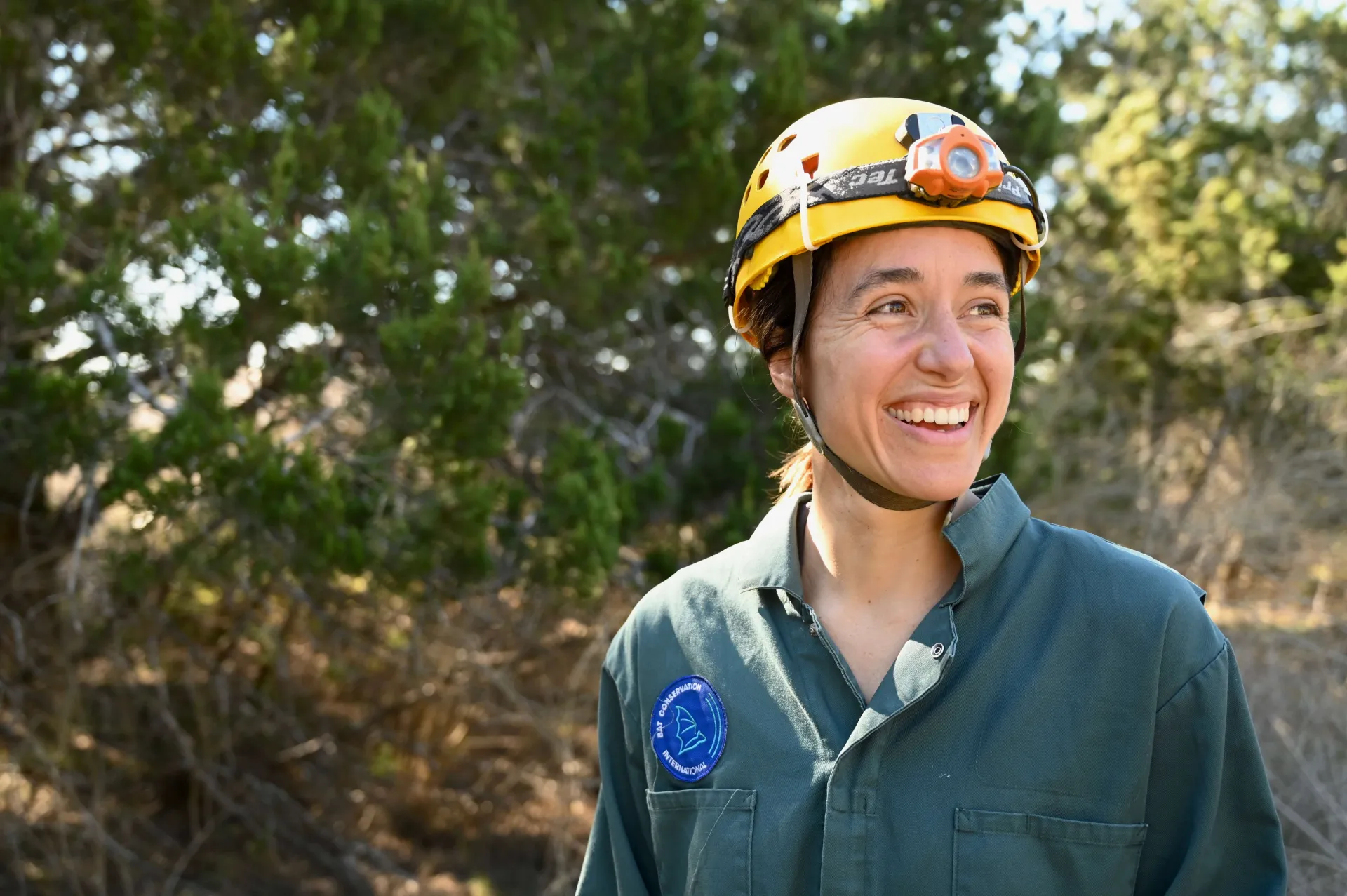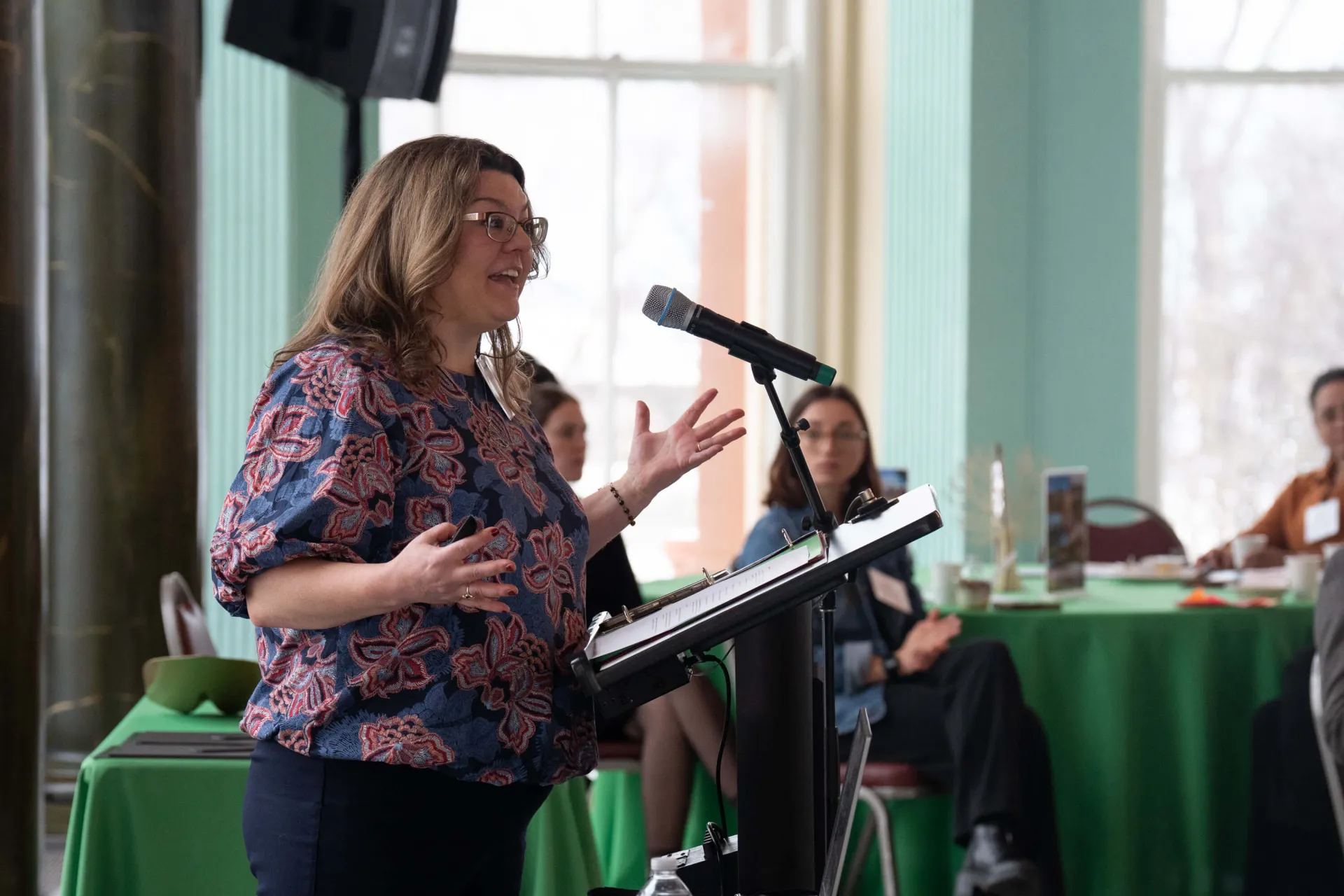
In our ongoing series highlighting Gund Institute for Environment alumni, this month, we hear from former Gund Postdoctoral Fellow Christine Carmichael. After leaving the Gund, Christine founded Fair Forests Consulting, a consultancy rooted in equality and environmental justice.
This interview has been lightly edited for clarity.
How did you join the Gund?
It was actually kind of serendipitous. Emily Silver was hired at Michigan State University when I was finishing my Ph.D. there and she had connections to the Northeast U.S. She emailed me about a postdoc opportunity with the Gund because she had heard that I was looking for some opportunities, so she just shared it with me. Turns out, Cecilia Danks, who became one of my co-advisors for the postdoc, had previously worked with my Ph.D. advisor Maureen McDonough. I was able to connect with Cecilia, and eventually Christine Vatovec, who would become another co-mentor of mine, to create a proposal that was ultimately selected.
What did your postdoc look like while you were at the Gund?
I was working with both of my advisors and staff at the Vermont Department of Health to focus on climate change and health impacts. I was specifically looking at communities that are on the front lines of climate disasters. Asking questions like, how are they experiencing and describing the health impacts of climate change? At the time, we had abundant language and data from scientists, but we needed to start understanding the lived experiences to better serve communities as they try to mitigate and adapt to climate challenges.
First, I connected with groups in Waterbury, Vermont, who were still rebuilding from flooding in 2011. I conducted interviews that were very powerful, creating a dialogue about the tough decisions that people have to make as the climate changes, reckoning with the cumulative impacts people are experiencing having to go through events of increased climate vulnerability.
Second, I went back to Detroit, Michigan, and also studied flooding. They have flooding for different sorts of reasons than Waterbury. A lot of it has to do with infrastructure and heavy rainfall. I was in Detroit for a month, attending community meetings, interviewing residents, and talking to decision makers who were trying to create incentives for people to put in trees to help mitigate flooding issues.
I also completed virtual work in Trinity County, California. I was going to travel out there, but it was at the time of the Paradise fires. I had never been to wildfire country, but Cecilia, my advisor, had lived and worked out there, so that was part of the connection we had to Trinity County. They were getting hit with devastating wildfires.
There was a lot of networking, getting to know the key players and key actions, and how this research could help guide future public health and climate related discussion and action.
Post-Gund, what were your next steps?
My post-doctoral experience was completed in 2019. I was on the tenure track job market for a few years, and nothing really panned out. I got a job as an adjunct professor at Castleton University teaching natural resource management. I connected with a friend, Sarah Sewell. She had a consulting business called Lillie Leaf Solutions. She encouraged me to start a consulting business because of the work I had done in Detroit collecting data about how redlining had impacted tree canopy.
I presented at the Arbor Day Foundation conferences, and continued to hear from groups across the country about the same barriers. I made this connection between redlining, disinvestment in communities, and people having bad experiences with trees. So, I decided to start a consulting company. I was hired at American Forests to work with community groups to help them develop environmental justice strategies. From there, I came up with the name Fair Forests, because alliteration makes it easy to remember, and I like how it captures the goal of this work to make sure everyone has access to healthy trees and green spaces. This not currently the case.
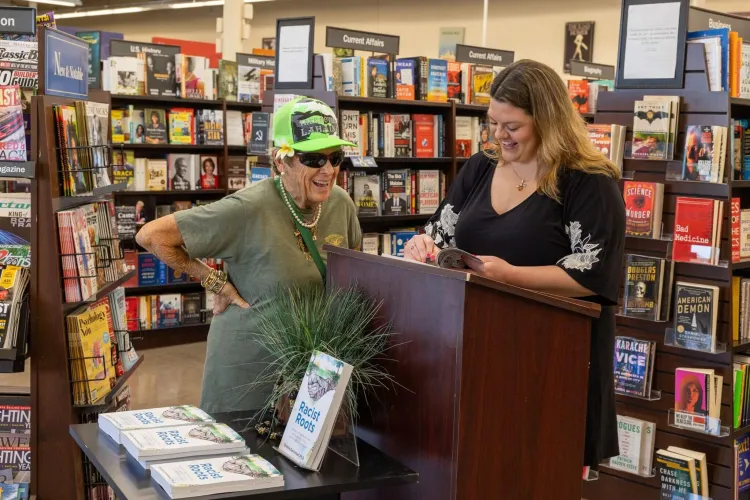
I got a few breaks early on through my network. I worked with the Davey Resource Group, a huge urban forestry company, wanting to do an environmental justice webinar focused on urban and community forestry. Then, the Arbor Day Foundation asked me to develop a training series to help train groups across the country, and that turned into a multi-year contract. Frankly, it just sort of happened!
How do you explain to people what Fair Forests is?
We help bring communities together to plant and care for trees. We believe everyone should have access to the benefits of trees. We work especially with communities that are lower income, who have fewer resources and other barriers. We particularly specialize in helping cities and organizations remove barriers to effectively work with communities to plant and care for trees where they’re needed most.
I also create tools, for example with the Arbor Day Foundation, about collecting. How do you collect community stories about trees? How do you build trust and measure trust over time? How do we capture the decision-making process, taking inventory and making it more inclusive, accountable, and transparent? These considerations take the shape of training programs and specific tools. My work is tailoring all these stipulations to the specific conditions that each client is facing.
I can help through one-on-one facilitation, to help companies come together as an organization and have productive conversations, create action plans, and make environmental justice information more digestible, usable and approachable. I think one of the biggest problems that people have with engaging in environmental justice is that it can be a sensitive and difficult subject to talk about, so that makes people shy away from it. Academic jargon creates an additional barrier. So, a huge mission of mine is to make this work more approachable for everybody.
How did the Gund prepare you for your current role?
Postdocs and Ph.D. students are very driven. The things that make you capable of and successful at a Ph.D. and postdoc will make you capable of success as a consultant. This job relies on many of the same skills you use in your academic career. It means you have to believe in yourself. You have to believe in the work you’re doing, even when no one else does.
I think the Gund and doing the postdoc really helped me build confidence in myself, the work that I was doing, and the practical application of that work. Something that I found attractive about the Gund is we are trying to solve these problems that are affecting people now and in the future. During my time at the Gund, I got to explore new territory, new dimensions of myself as a researcher and as a person.
I remember when Taylor Ricketts and I were talking at the end of my postdoc. I had interviewed for some jobs, and it hadn’t come through. I hadn’t developed the idea for my consulting business yet. I said, can we extend my postdoc? And he’s like, ‘no, I’m sorry, we can’t.’ He kind of pushed the baby bird out of the nest. I’m so grateful for this now, because it did force me to move on. I wouldn’t have had the impetus to then create this business and do all this work. It’s a lesson to trust the process, get as much out of the experience as you can, and make the connections.
What advice would you offer for members of the Gund community interested in consultancy work?
People are welcome to reach out to me, I’m happy to connect! The advice I would share is, really think about who you want to serve. Who has the problem that you are uniquely qualified to solve? Is it a pressing issue that people are motivated to solve?
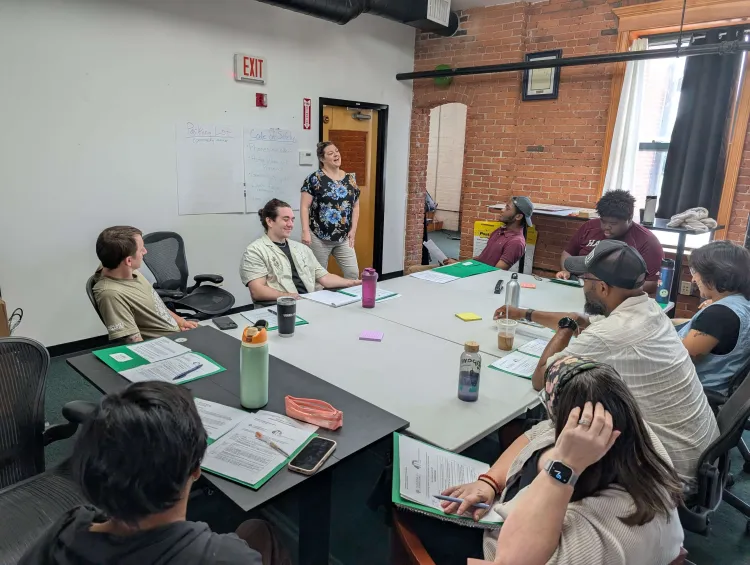
Build authentic relationships with people. You never know which connection could be something important to get you to your next step, introduce you to the right person or the right project. Whoever you meet along the way, at least become friendly and learn from them. Never stop learning and evolving from your mistakes.
Any advice for current or future students pursuing a postdoc at the Gund?
Do not be afraid to ask for help. You are worth it! Don’t be afraid to reach out to your fellow Gund folks. We have that community and that shared experience that we can all connect with. Give yourself grace; it’s a marathon, not a sprint, so make sure you rest when you need to and celebrate all the little and big “wins” along the way.