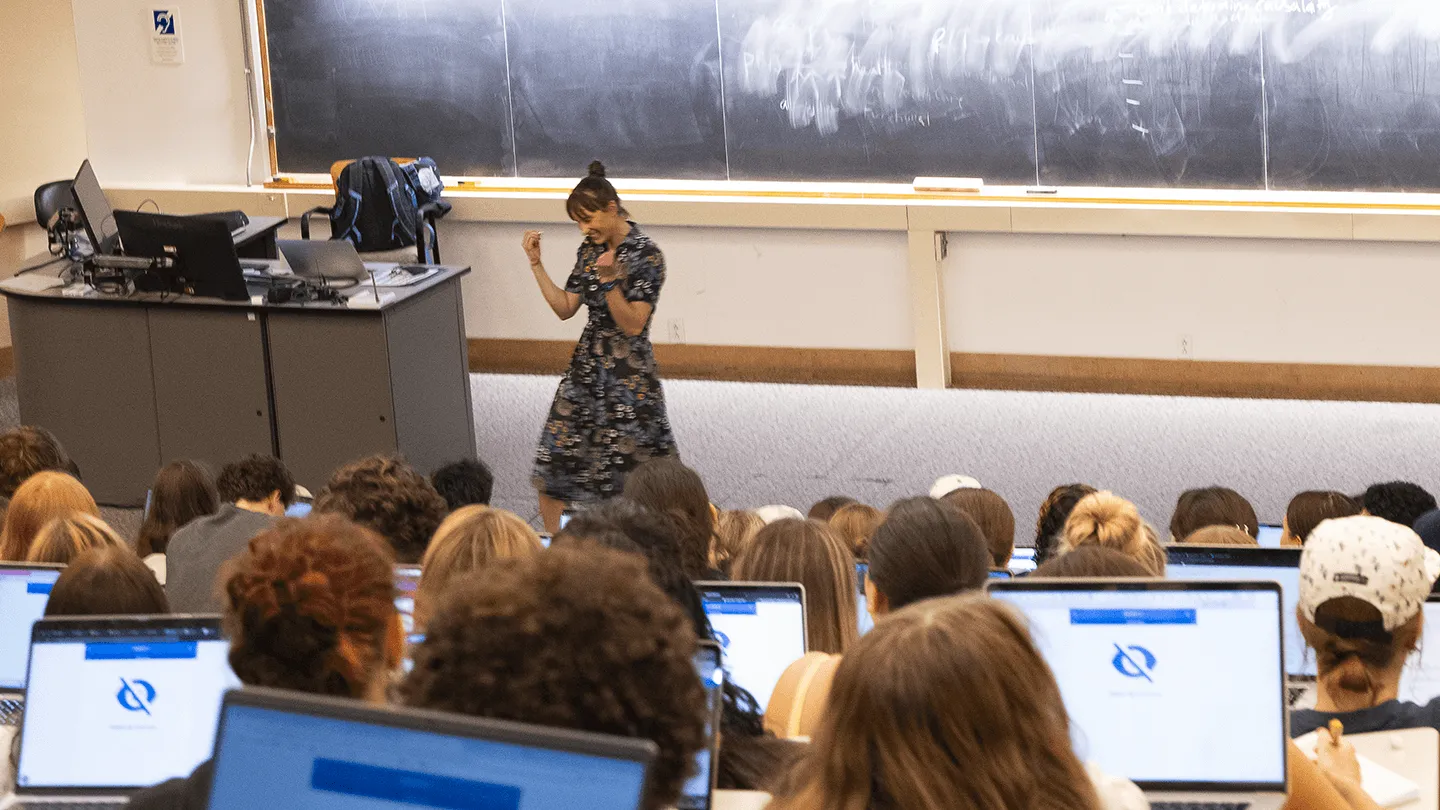
CALS students consider a "planetary health" approach, understanding that the health of people, communities, animals, plants, and ecosystems are linked. Their studies span a diverse spectrum and can encompass veterinary, animal, and plant sciences, as well as biological, microbiological, molecular, and biochemical sciences. They explore sustainable agriculture, food systems, and nutrition alongside the social sciences of agroecology, economics, and community development. Public communication skills are honed, empowering our students to build more just societies and create impacts that will lead to a better future for all.
Undergraduate programs
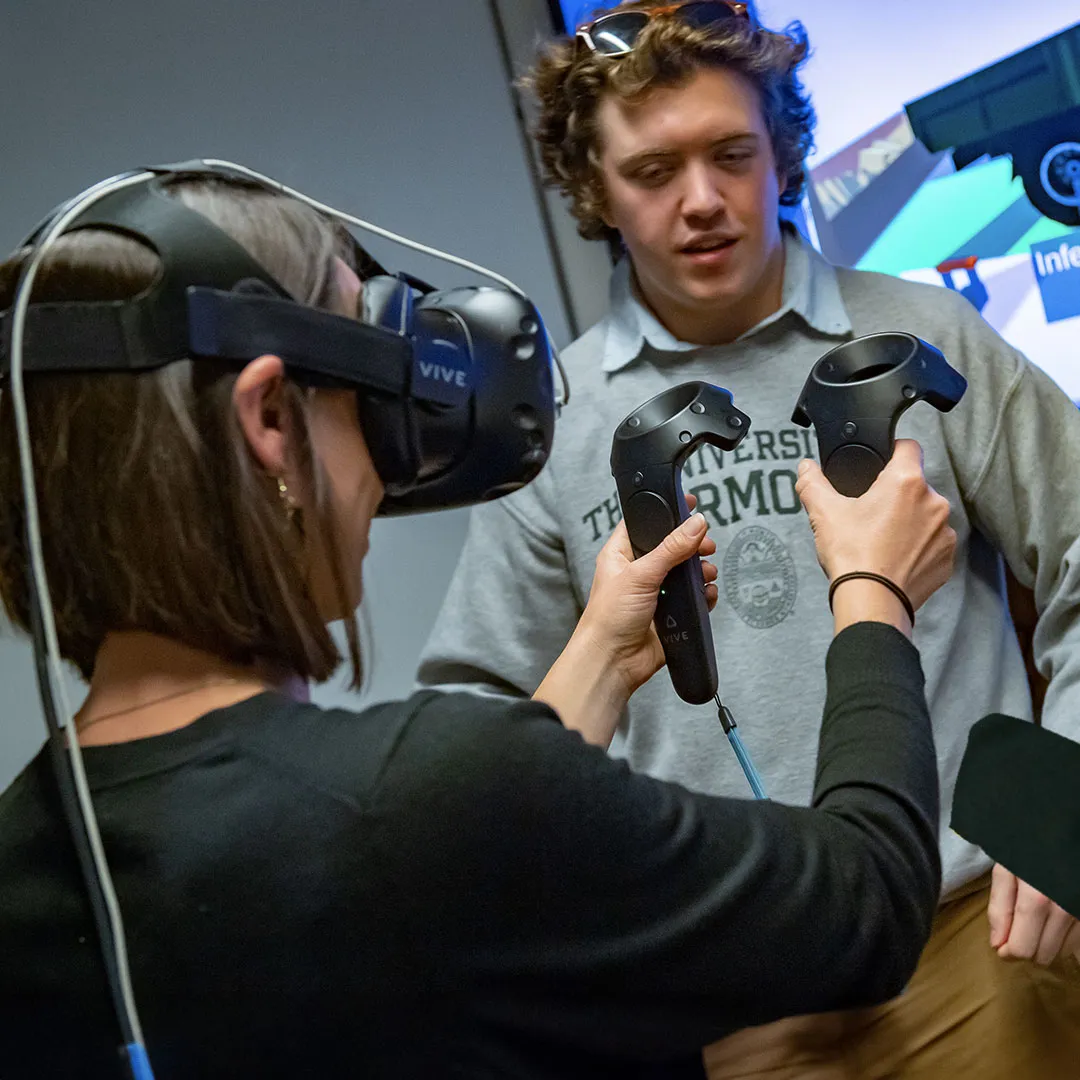
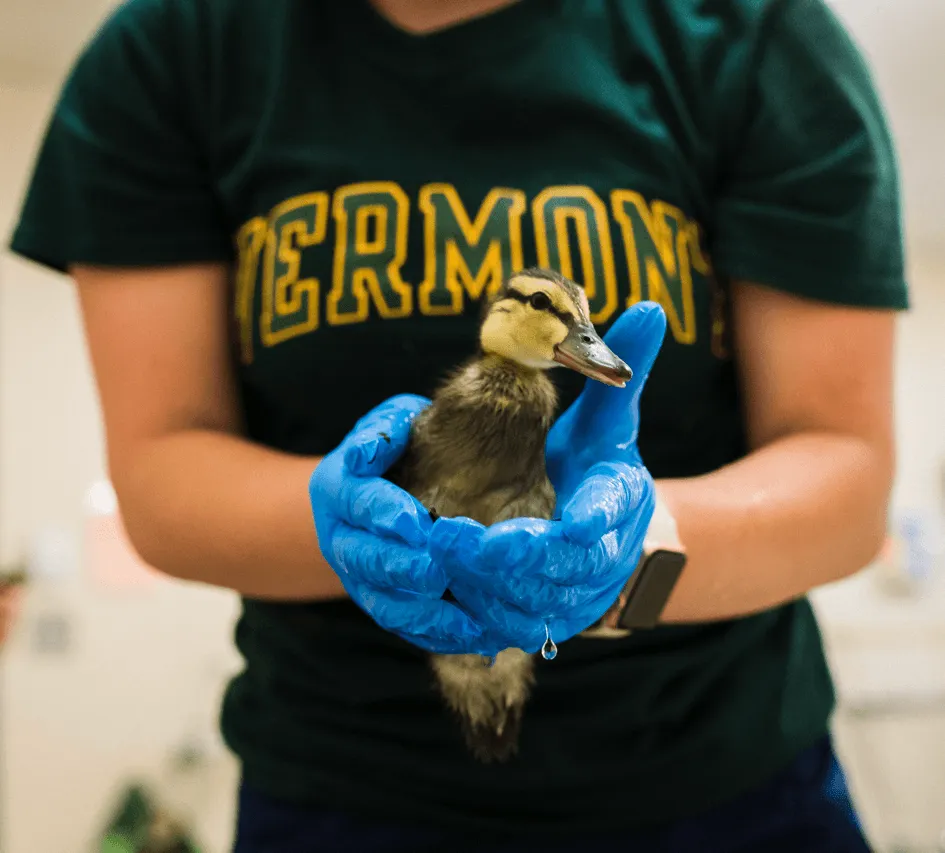
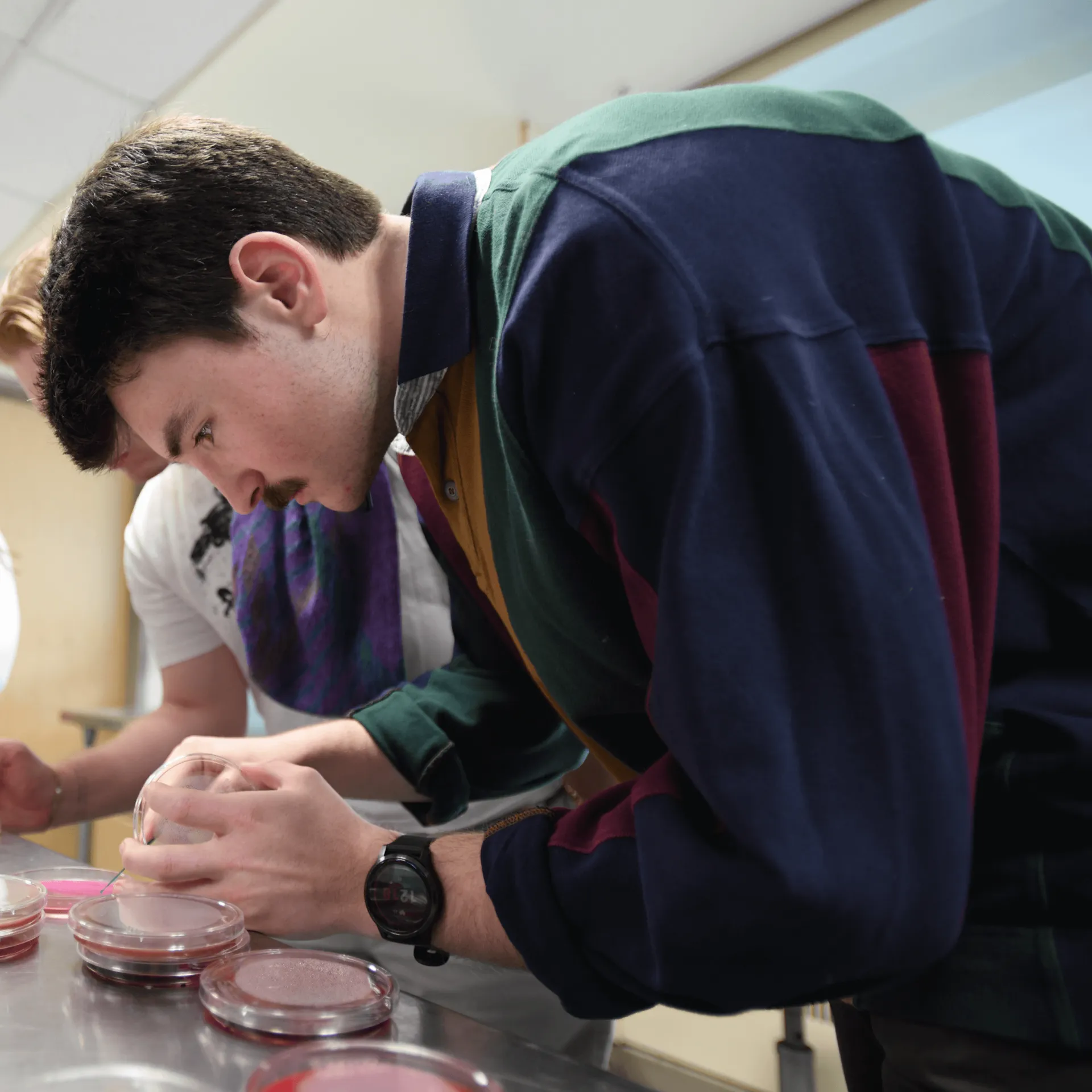
The College of Agriculture and Life Sciences offers a breadth of programs for students interested in life sciences, including animal science, food and nutrition, the environment, and agriculture, or social sciences such as community entrepreneurship, public communication and applied economics.
Undergraduate programsWhat makes CALS unique

Exploring Globally
Community is the Classroom
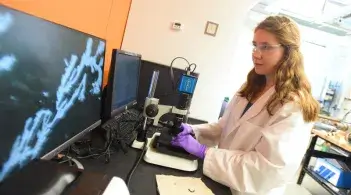
Embracing Innovation
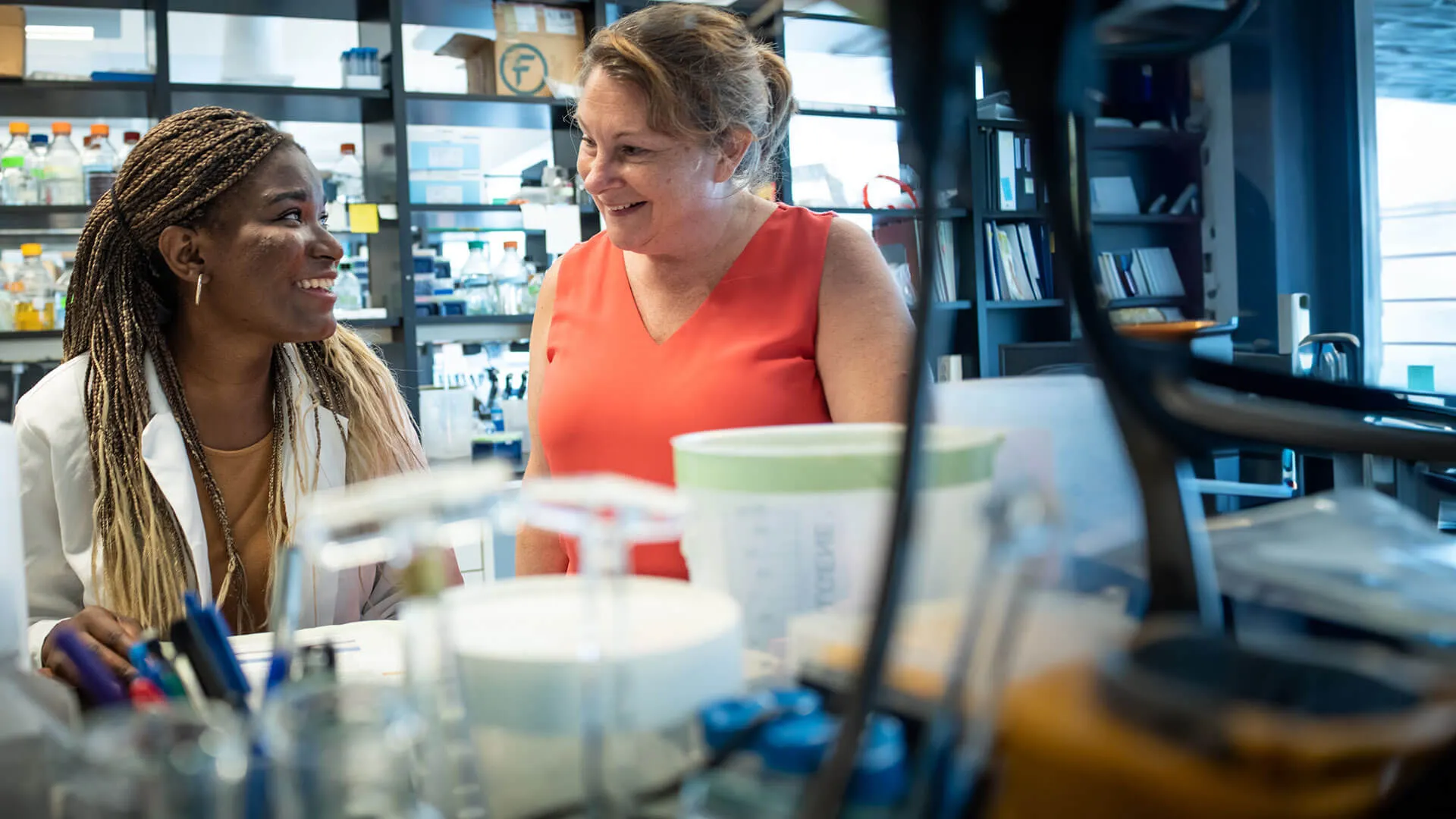
Research opportunities
CALS students graduate with premier training in purpose-driven science harnessed in service of real-world applications. Gaining valuable insight from mentors and working alongside experienced faculty, students tackle today's most complex issues and are prepared to solve for tomorrow's.
Research overviewResearch opportunities
CALS students graduate with premier training in purpose-driven science harnessed in service of real-world applications. Gaining valuable insight from mentors and working alongside experienced faculty, students tackle today's most complex issues and are prepared to solve for tomorrow's.
Research overviewBy the numbers
- ~120 faculty across academic units and Extension
- 14 undergraduate majors
- 1,333 undergraduate students (Fall 2023)
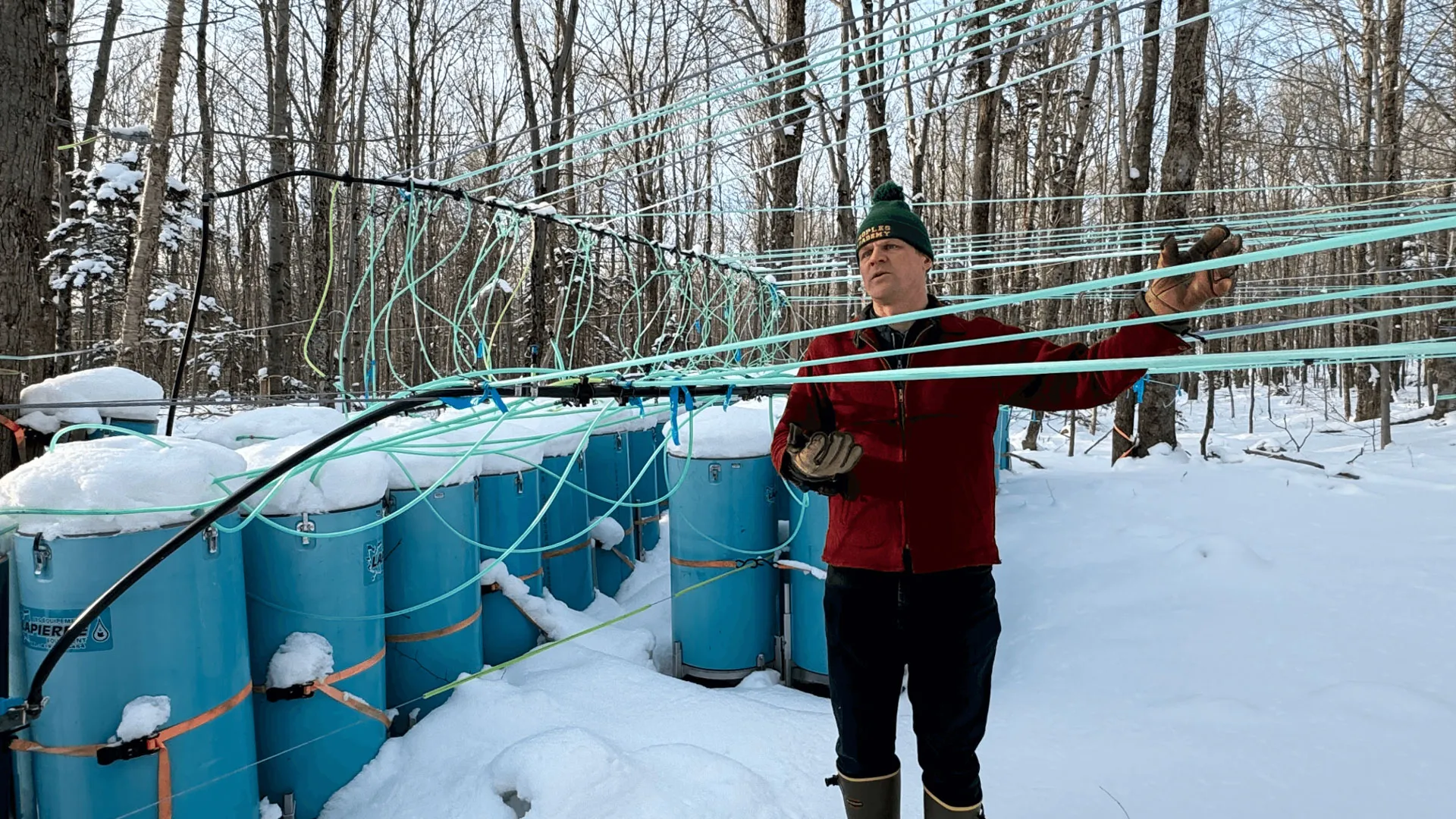
UVM Extension - Cultivating Healthy Communities
For more than 100 years, UVM Extension has delivered education tailored to local needs. With twelve offices located throughout the state, UVM Extension faculty and staff work to help improve the quality of life for Vermonters through research-based educational programs and practical information.
UVM ExtensionUVM Extension - Cultivating Healthy Communities
For more than 100 years, UVM Extension has delivered education tailored to local needs. With twelve offices located throughout the state, UVM Extension faculty and staff work to help improve the quality of life for Vermonters through research-based educational programs and practical information.
UVM Extension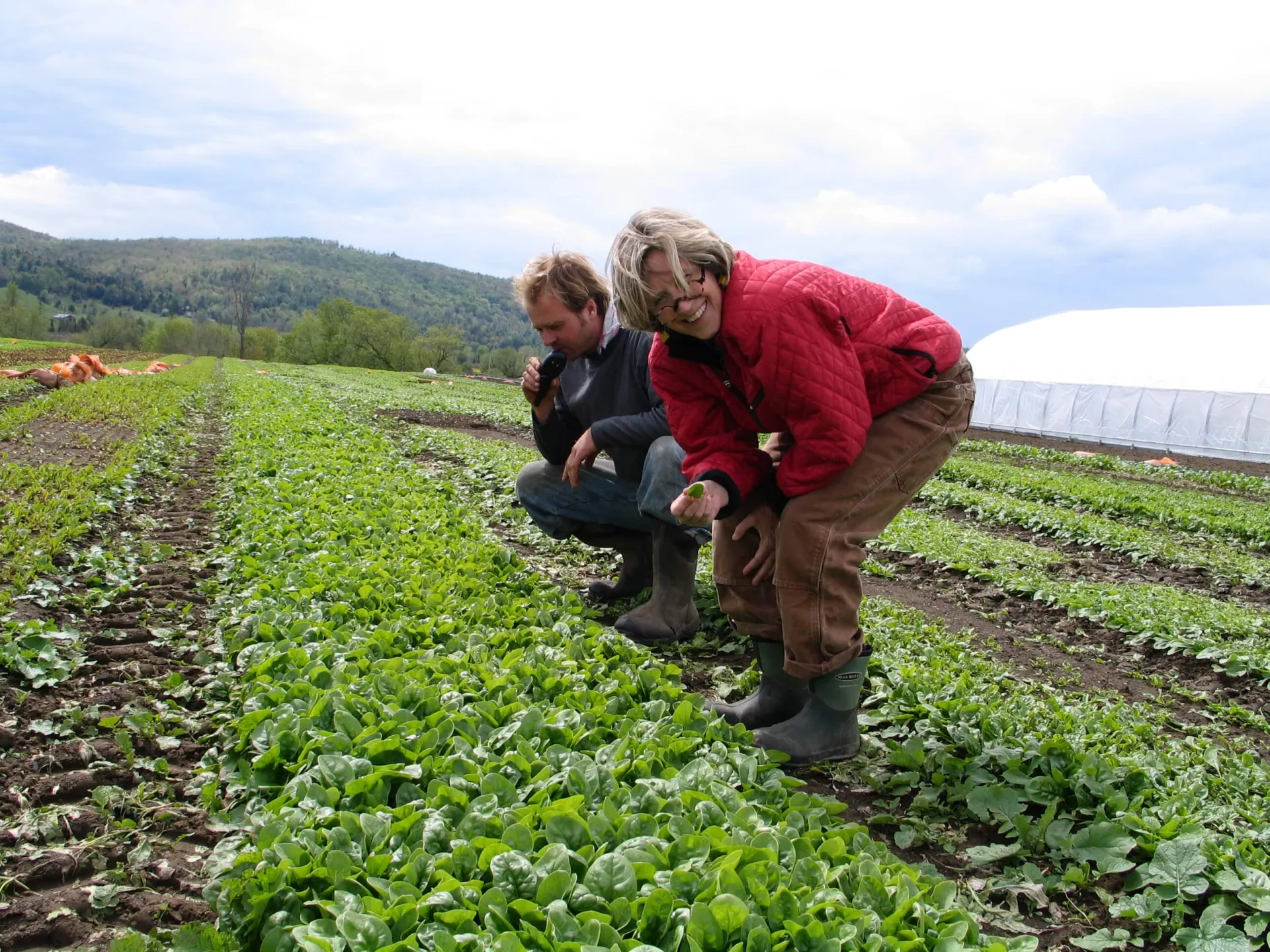
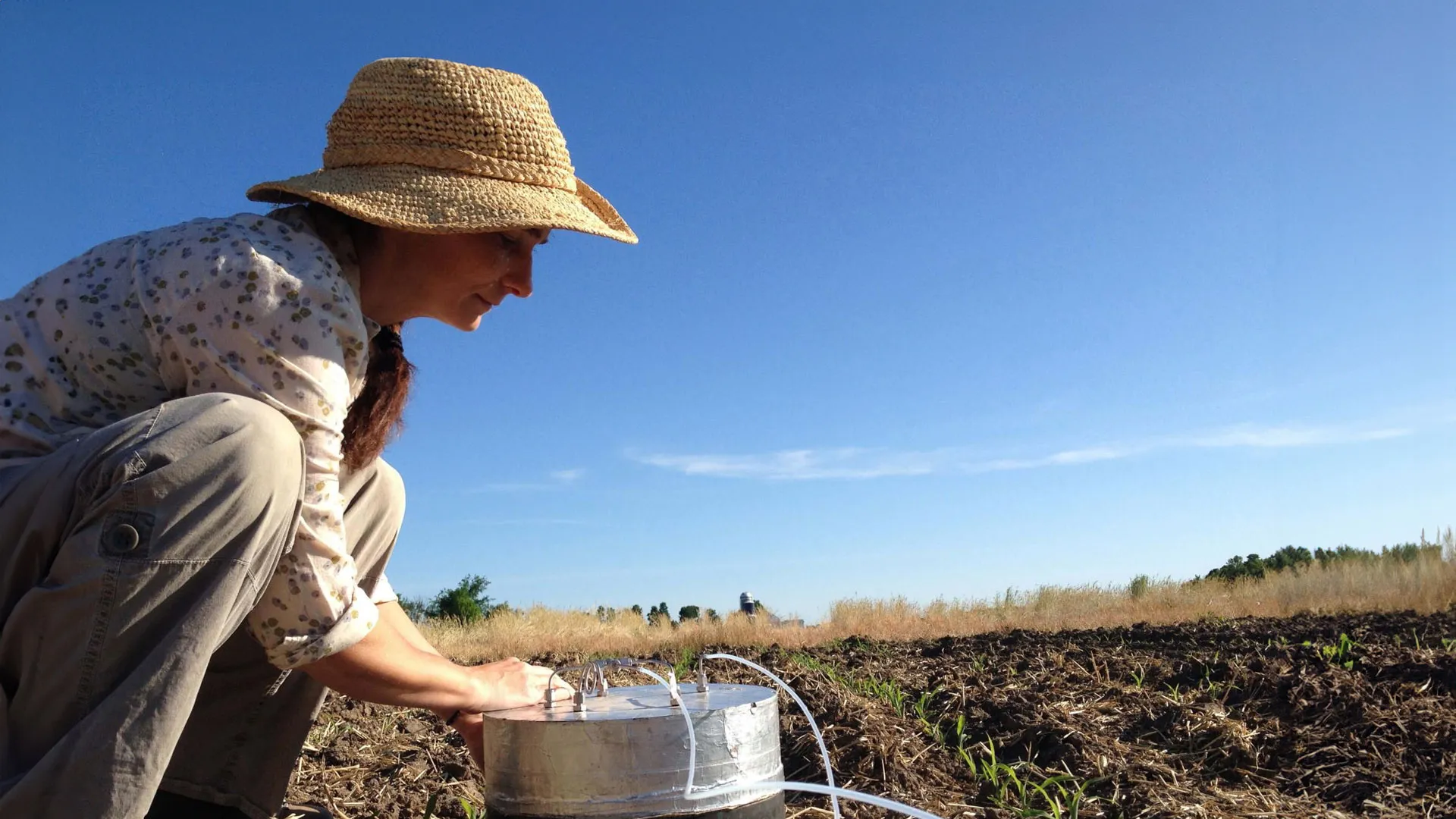
UVM's Agricultural Experiment Station
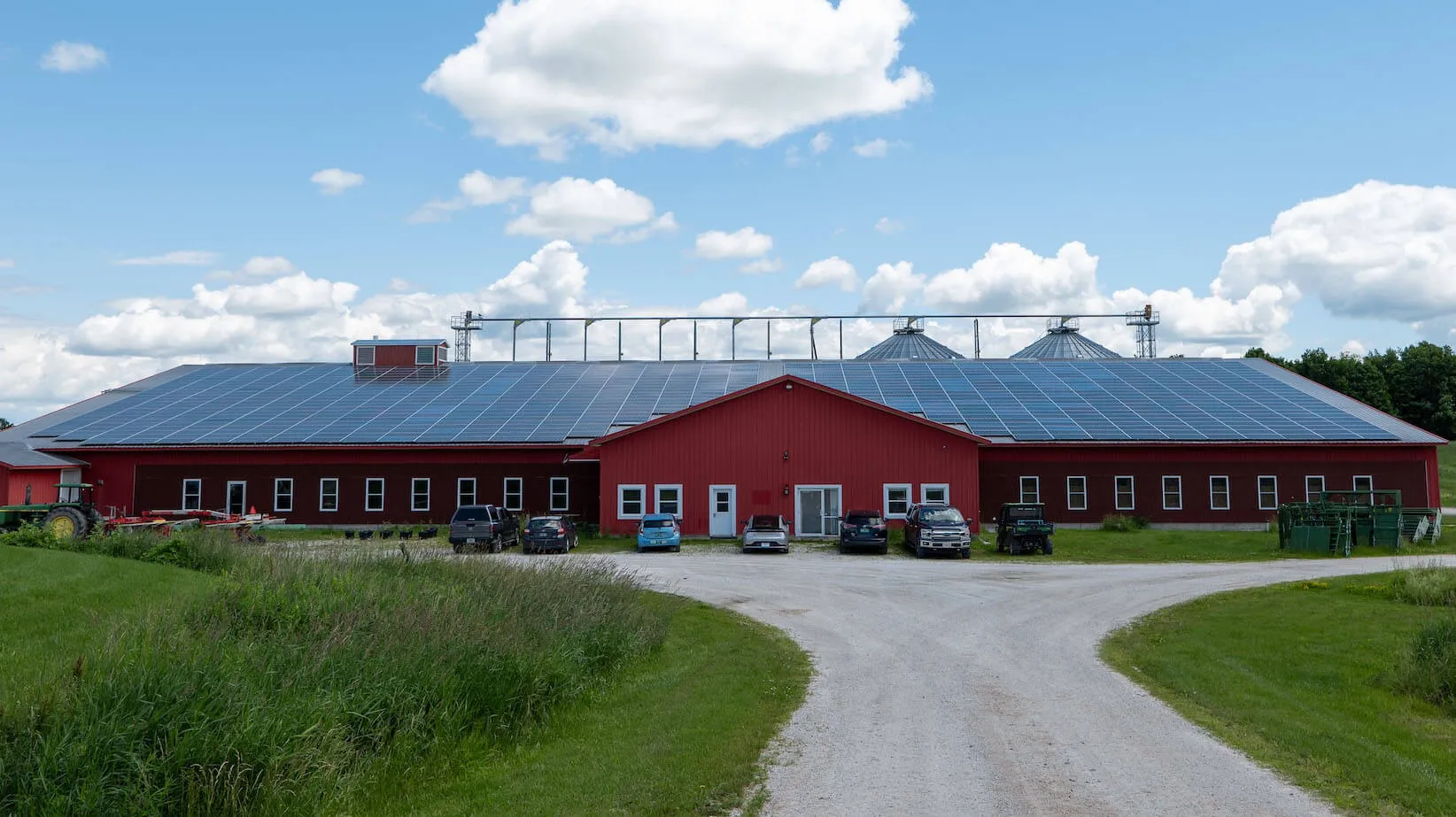
As Vermont’s land-grant institution, the UVM Agricultural Experiment Station (VT-AES) was created in 1886 in response to the Morrill Act. It's mission is to address Vermont’s agricultural issues through research.
VT Agriculture Experiment StationUVM's Agricultural Experiment Station
As Vermont’s land-grant institution, the UVM Agricultural Experiment Station (VT-AES) was created in 1886 in response to the Morrill Act. It's mission is to address Vermont’s agricultural issues through research.
VT Agriculture Experiment StationStudents, faculty, staff, and members of the public participating in VT-AES programs can access information about civil rights protections at the UVM Office of Equal Opportunity home page. Staff with the Office of Equal Opportunity are available to answer questions about reasonable accommodations, anti-discrimination policy, reporting, support measures, and related topics. Students interested in reasonable accommodations for a disability-related condition are encouraged to contact Student Accessibility Services.