Garden beds devoted to annual plants—whether they’re flowers or vegetables—have a permanent place on our fall to-do lists. A few additional tasks this fall can make all the difference, not only in garden prep in the spring, but how well our gardens fare during the growing season.
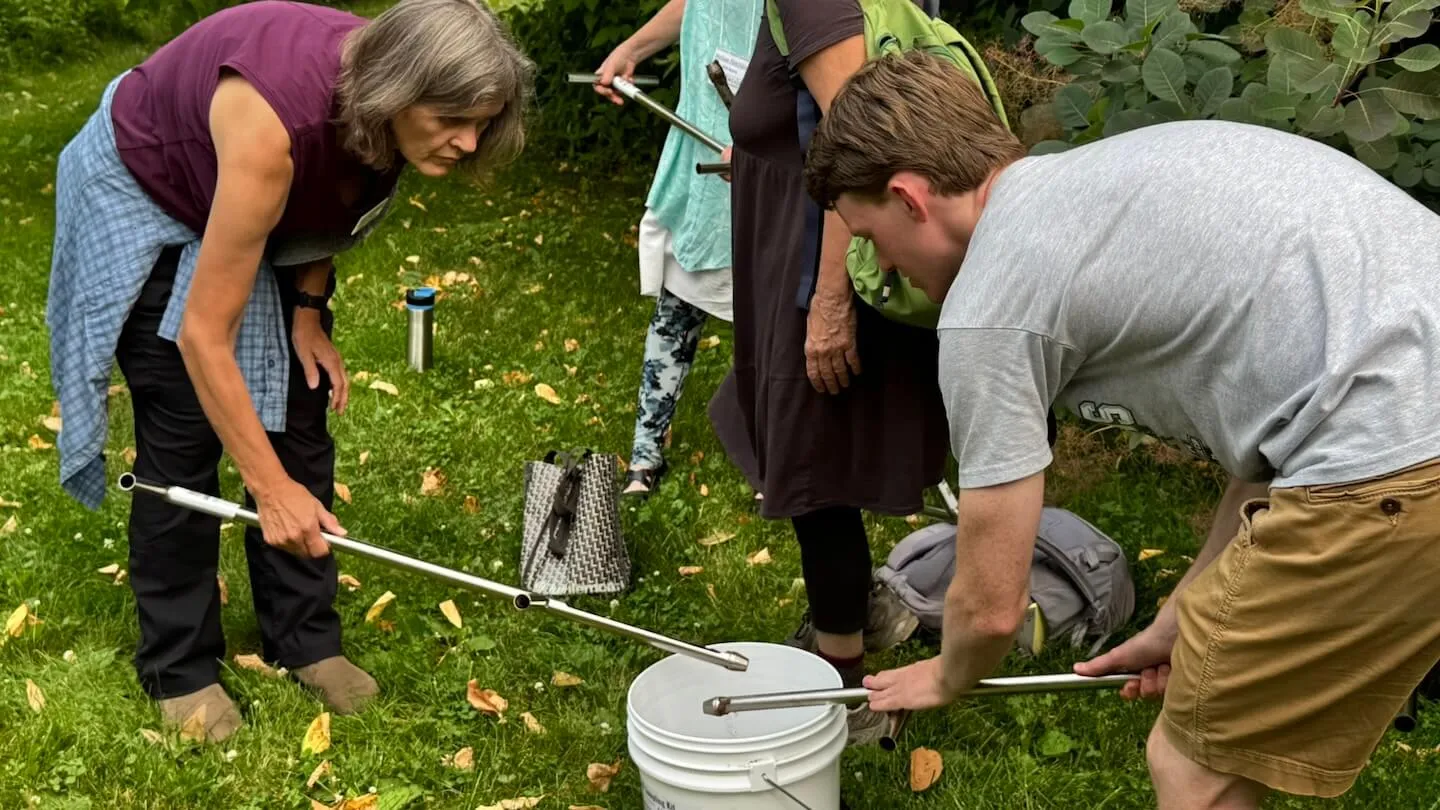
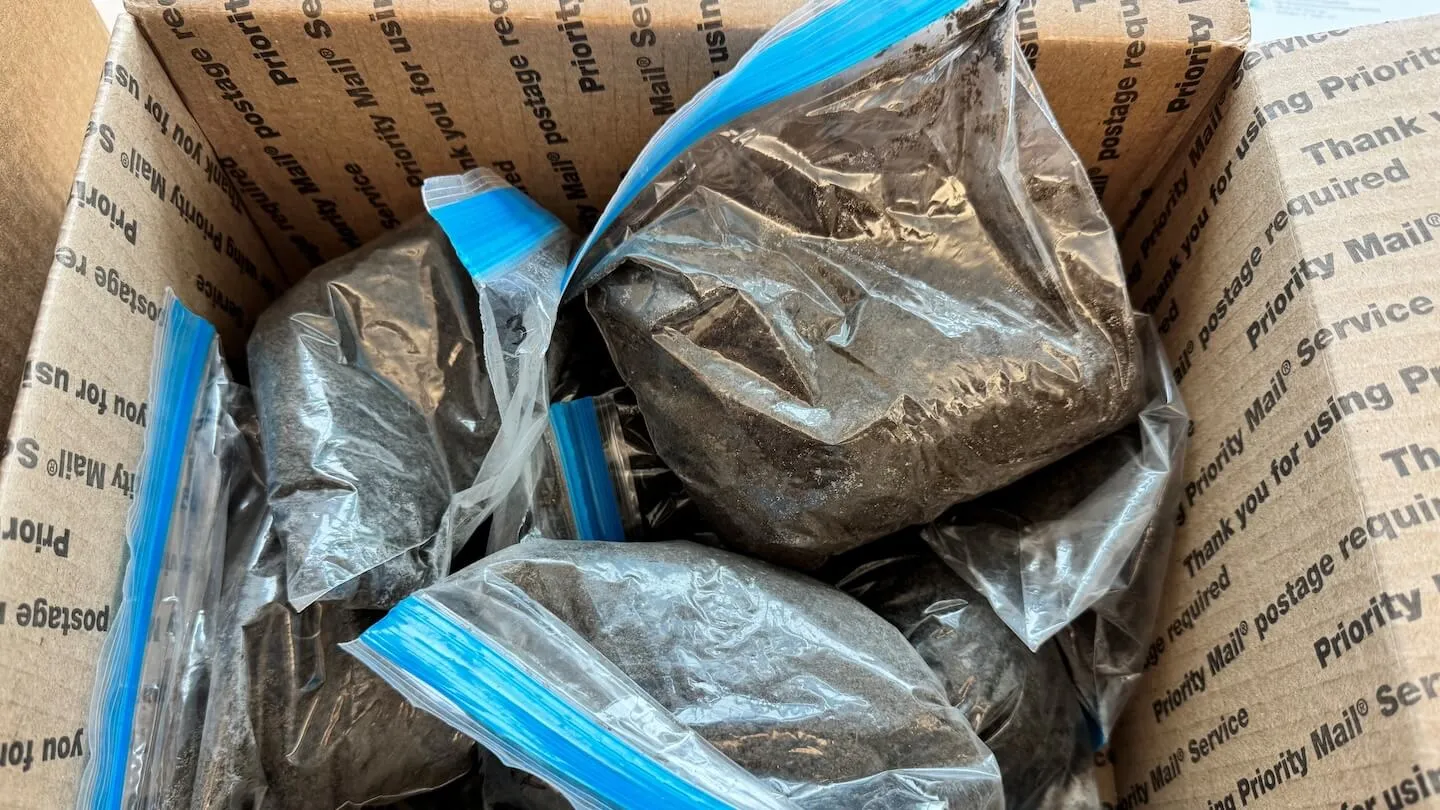
If you’ve never had a professional soil test done, now is the time. It’s easy to take a soil sample and send it for testing. Simply collect soil from about ten random spots, each dug 6 to 8 inches deep throughout the garden. Mix in a clean bucket, package about a cup of the sample in a plastic bag, and mail (with payment) to the UVM soil testing lab (go.uvm.edu/soiltest). In return, you’ll receive a report that will tell you soil pH and available phosphorus (P), potassium (K), calcium (Ca), magnesium (Mg), micronutrients, and more, along with recommendations for soil amendments and fertilizer for specific crops.
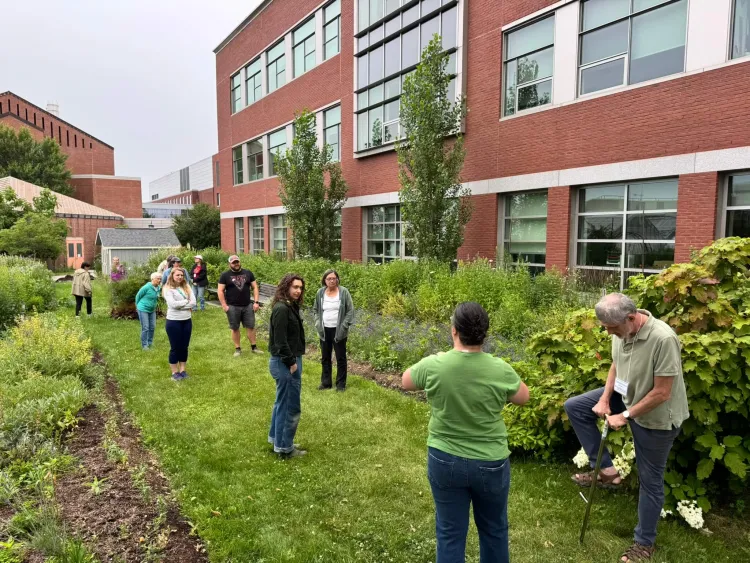
While you’re waiting for the results of the soil test, remove the remains of the past season’s annuals and any weeds that have popped up. Most of this plant material can feed the compost pile. However, weeds that have gone to seed should be put in a bag and disposed of in the trash.
With faded plants removed, you might be tempted to walk away and leave the bed as it is until spring. Instead, consider planting a cover crop (go.uvm.edu/fallcovercrops) that will protect bare soil, help prevent erosion, suppress weeds, and feed the soil.
Once you receive the results of your soil test and review its recommendations, you can determine which soil amendments to add. Materials to adjust soil pH like lime or elemental sulfur can be applied and worked into the soil this fall. For the most part, all other nutrients, especially nitrogen, should wait until spring.
If weeds invaded your garden this summer and it’s badly overgrown, you may want to let it all wait until spring because it’s just too much to deal with. Instead, consider covering the bed with opaque plastic sheeting to kill the weeds (go.uvm.edu/gardentarping). Leaving the covering in place over winter until it’s planting time can kill the weeds and trick weed seeds into sprouting under conditions where they, too, will die. As an added bonus, by covering the soil, no new weed seeds will land on the surface to later sprout and compete with your garden plants.
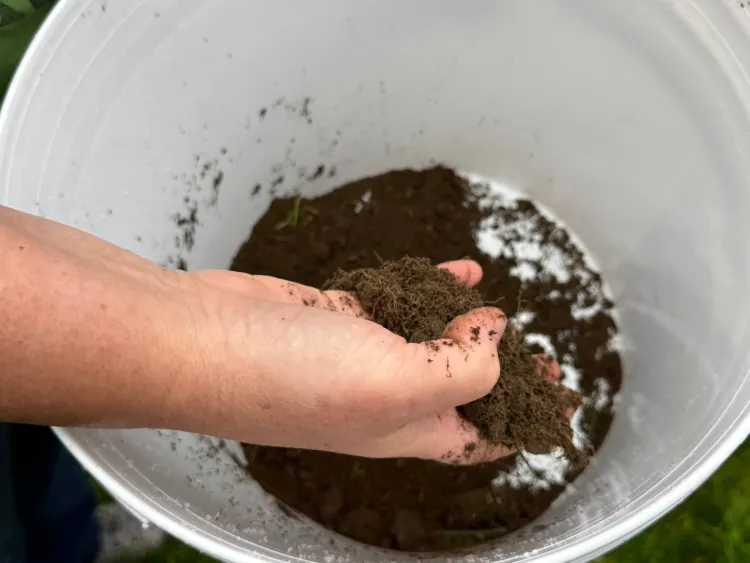
If you don’t need to defeat a garden full of weeds and don’t plan to plant a cover crop, there’s one final task to perform this fall to prepare your garden to plant annuals in the spring. Adding an inch or two of mulch can help protect the soil from winter winds and erosion, improve water retention, and add nutrients. You could use leftover mulch purchased during the past growing season. Better yet, apply one or two inches of homemade compost or shredded leaves over the soil surface to be worked into the soil in the spring.
By preparing garden beds now, they’ll be ready for a new batch of annual flowers or vegetables when spring arrives and the garden begins anew.
For help interpreting garden soil test results, contact the University of Vermont Extension Master Gardener Helpline online (go.uvm.edu/gardenhelpline).