Called "Test & Protect," the project combines community education with practical tools that make soil sampling more accessible to homeowners and gardeners.
As part of the project, 10 participating public libraries in the Lake Champlain Basin are adding soil sampling kits to their “Library of Things” collections this year.
Each kit includes:
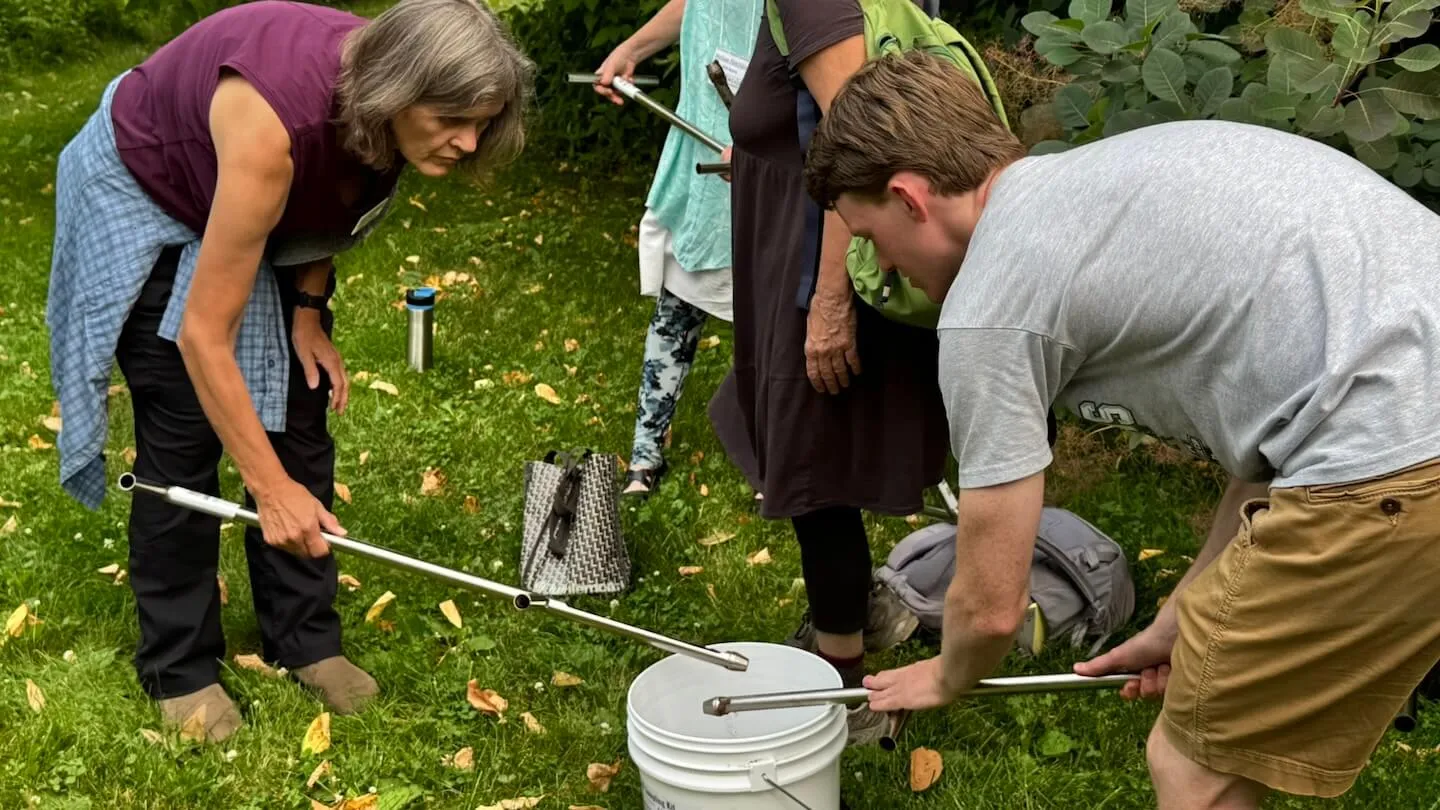
- a soil sampling probe
- a bucket for creating composite soil samples
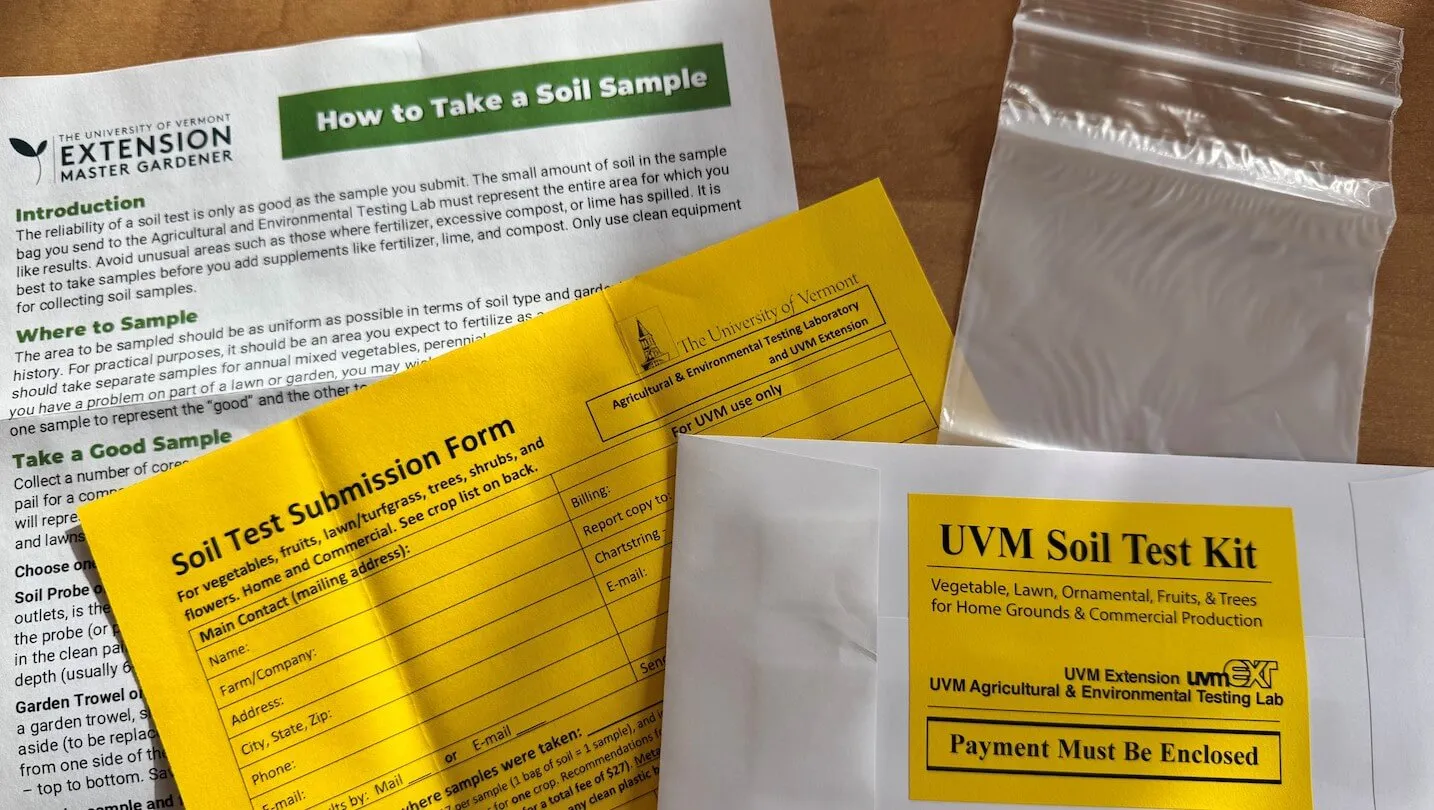
- and instructions for collecting soil samples.
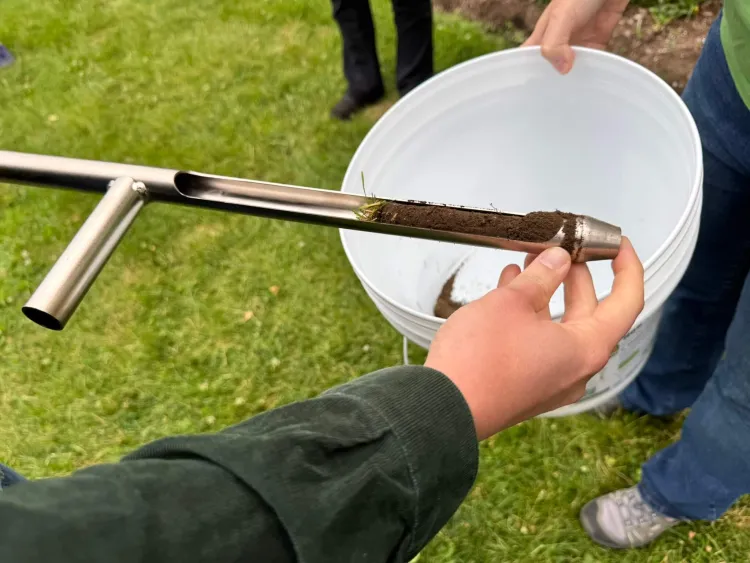
These tools make it easier for patrons to collect samples for lab testing, which can reveal soil pH and nutrient levels needed to make informed fertilizer and amendment decisions.
The kits are currently available to borrow through libraries in Burlington, Charlotte, Colchester, Jericho, Middlebury, Poultney, St. Albans, South Burlington, South Hero, and Westfield. Soil testing fees are not included with the kits.
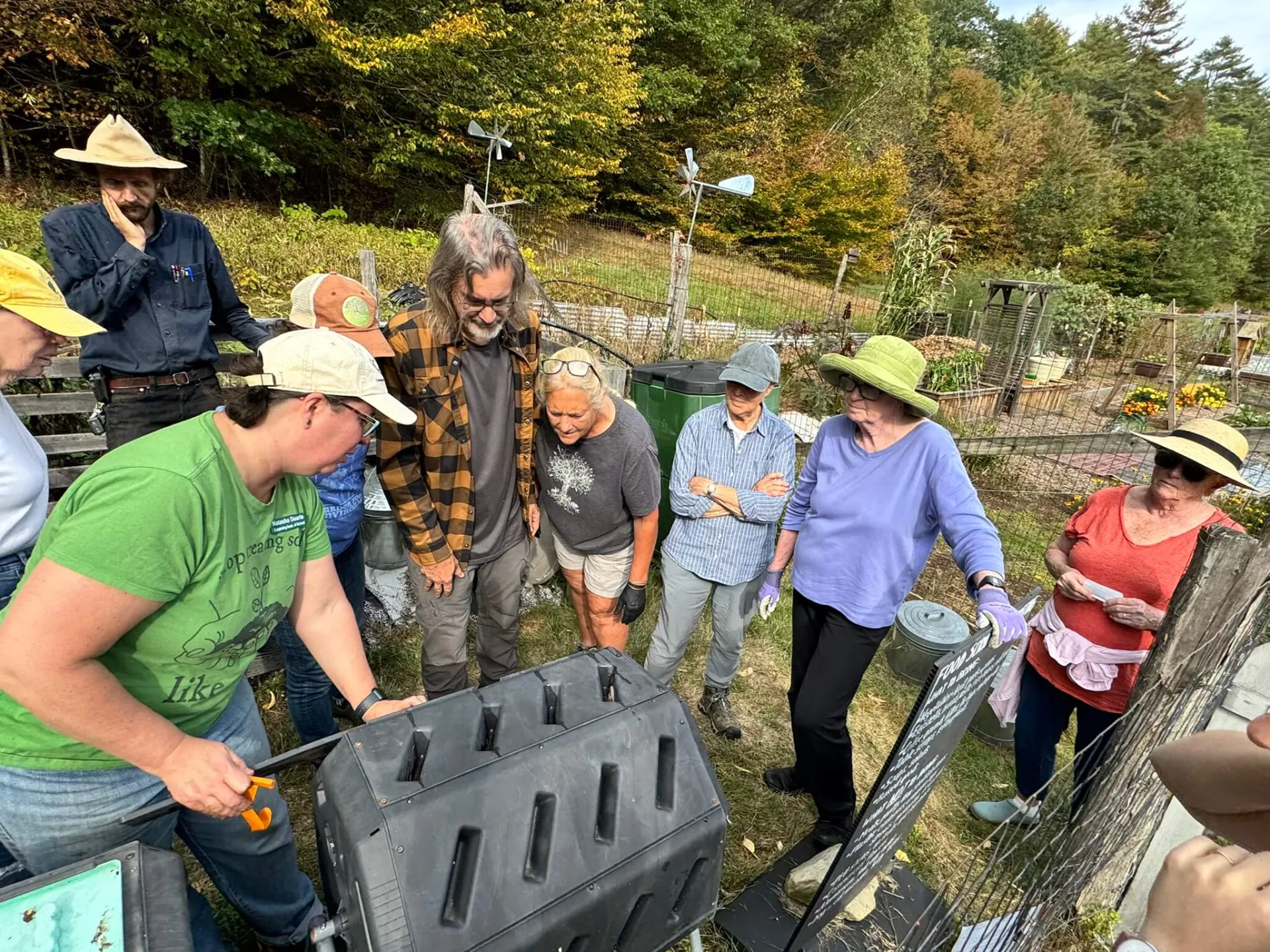
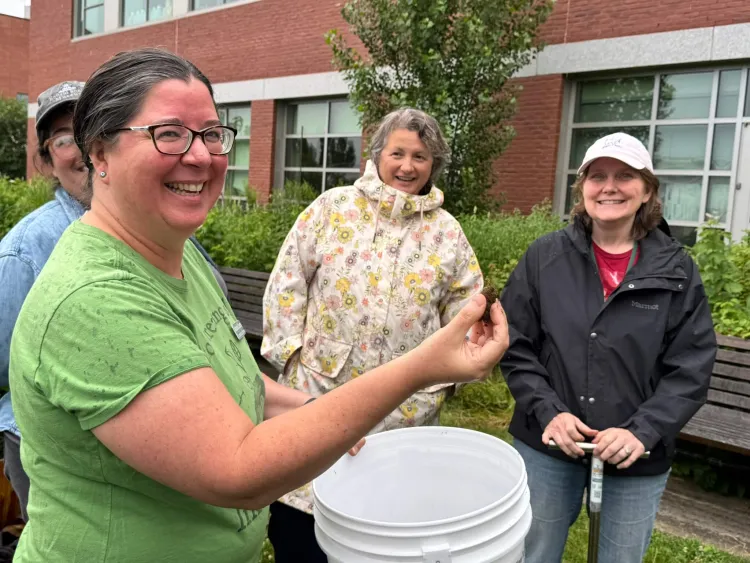
Community education is a major component of Test & Protect. Earlier this summer, a cohort of UVM Extension Master Gardener and Vermont Master Composter volunteers received training in soil sampling and public education. Starting this fall and continuing next spring, volunteers will conduct workshops at 10 participating libraries, demonstrating how to collect and prepare soil samples by using the kits. An additional 10 libraries will join the project next year.
Soil testing is one of the simplest ways homeowners can support healthy lawns, healthy gardens and a healthy lake. When we understand the nutrients our soils actually need, we can avoid unnecessary fertilizer applications, save money, and protect the health of Lake Champlain.
The project is led by UVM Extension’s Community Horticulture Program in collaboration with the Composting Association of Vermont. It is funded by the U.S. Environmental Protection Agency under assistance agreement LC00A01871 to NEIWPCC in partnership with the Lake Champlain Basin Program.
The primary goal of Test & Protect is to reduce excess phosphorus entering waterways. While phosphorus (P) is an essential plant nutrient, too much P can negatively impact water quality. Research has shown that many lawns in the Lake Champlain Basin do not need additional P, making soil testing an important first step before applying fertilizers.
Vermont law also restricts the use of phosphorus-containing lawn fertilizers unless a soil test shows a need or if a new lawn is being established. By making soil sampling more convenient and providing Vermonters with information on soil testing, Test & Protect aims to increase soil testing to help protect Lake Champlain.
For more information about Test & Protect, participating libraries, and upcoming workshop and demonstration dates, visit the Test & Protect website (https://go.uvm.edu/testandprotect).