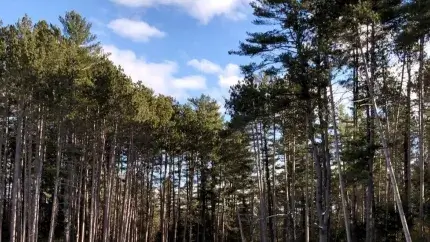
Vermont is referred to as the Green Mountain State, largely due to its vast forested areas, which cover nearly 75% of the state. These forests provide a wide range of essential benefits, such as clean air and water, wildlife habitat, flood prevention, carbon sequestration and storage, lumber, firewood, maple syrup, as well as opportunities for outdoor recreation and relaxation. However, these forests face various challenges, including insect infestations, diseases, invasive plant species, deforestation, and climate change. The Extension Forestry Program aims to help individuals navigate the complexities of Vermont's forests and make informed decisions.
Where Else To Find UVM Extension Forestry?
Find Us on Social Media, Our Newsletter, and Events
Science, stewardship, and support for forests and the people who steward them
Explore each of these Forestry Topics
UVM Extension Forestry News
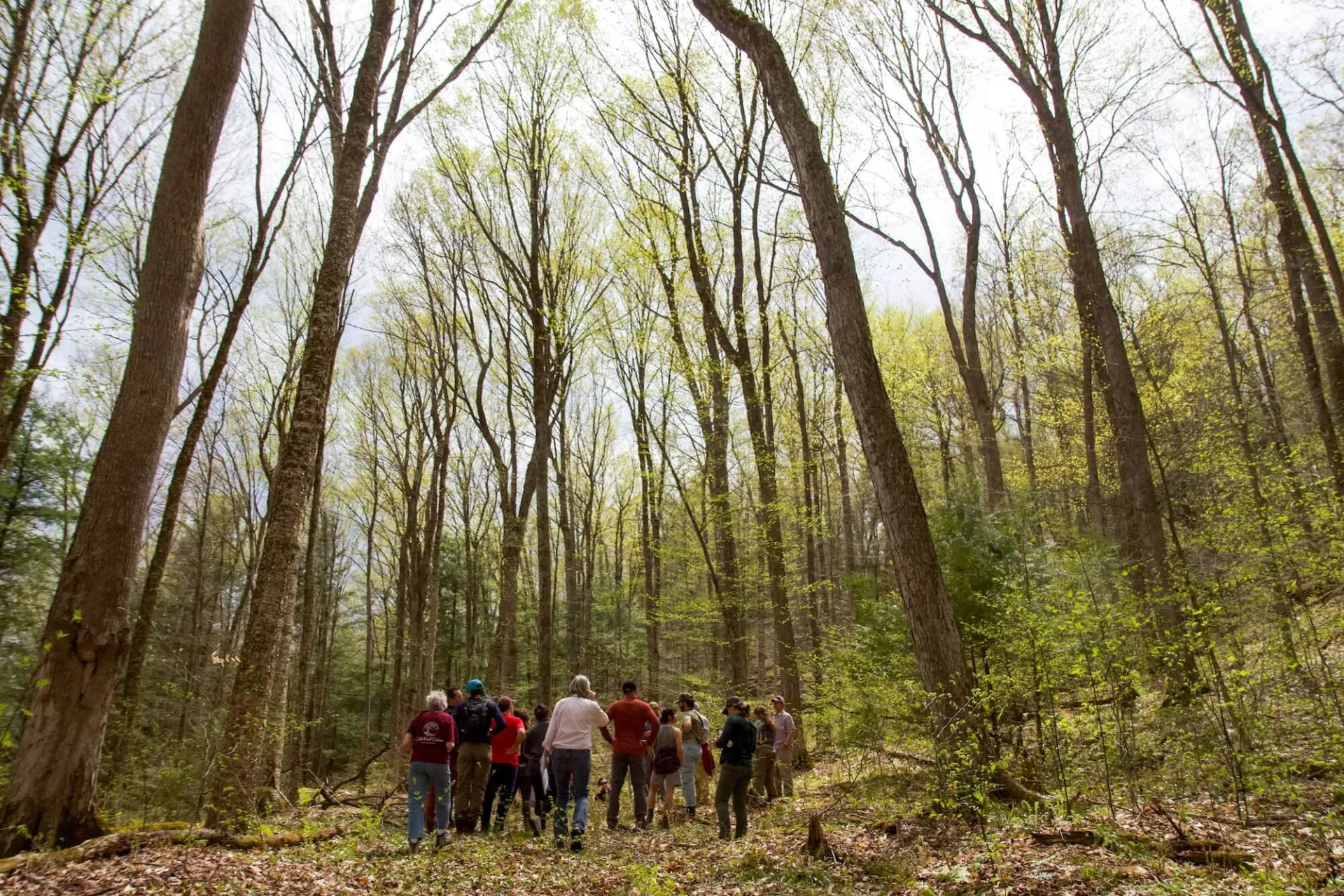
Vermont Forest Managers, Landowners Can Now Access New Guide to Stewardship Amid Climate Change
Climate Change Isn’t Driving All Mountain Trees Higher, Global Study Finds
Vermonters Encouraged to Look for Signs of Asian Longhorned Beetle
Build Your Maple Marketing Strategy This Summer
Identifying the Jumping Worm, a Recently-Introduced Earthworm
Protect Forests and Trails During PlayCleanGo® Awareness Week, June 6-13
Explore Our Newsletter Archives & Events Featured
Catch up on past updates, resources, and upcoming opportunities
Meet Our Forestry Team

Related UVM Programs
Related Organizations
- Northeast Forest Carbon and Climate Partnership
- Vermont Urban and Community Forestry
- Vermont Woodlands Association
- Vermont Coverts: Woodlands for Wildlife
- Vermont Forests, Parks and Recreation Forestry Division
- New England Society of American Foresters (NESAF)
- NESAF Green Mountain Division
- Forest Stewards Guild Northeast Region