Plants that are tucked into the soil at least four to six weeks before the ground freezes will be adequately established before winter. Come spring, they will emerge along with your other perennials.
A nice aspect of adding perennials in the fall is that your existing plants have reached their full size for the season, making it easier to identify where there are gaps to fill in. Although the angle of the sun has changed a bit, you can still determine the light conditions in the parts of the garden where you would like to plant.
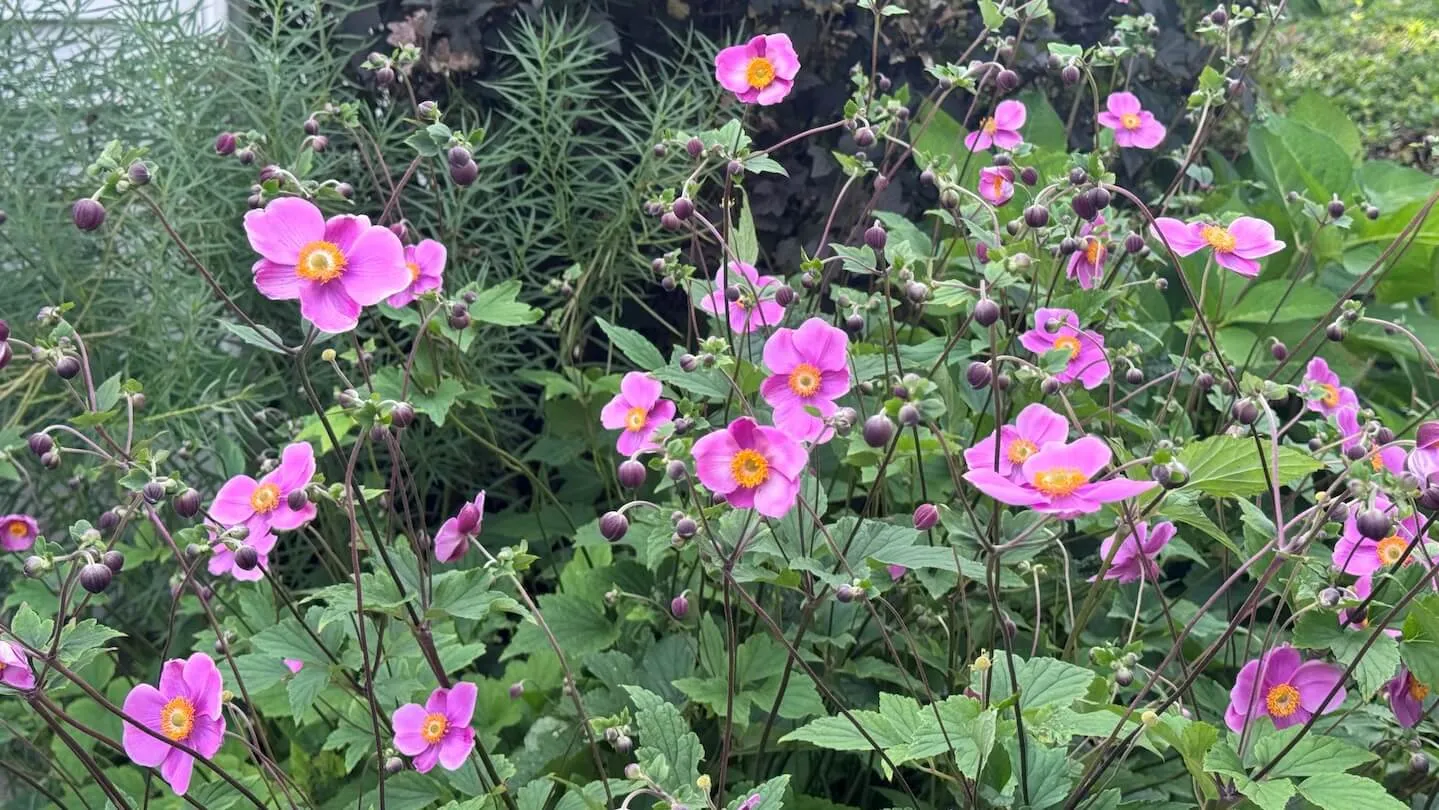
This is also an excellent time to scan your yard to see if it could use some more fall color. If the answer is yes, head to the garden center to look for plants that are in full bloom right now. Planting these perennials as soon as you get them home gives you immediate enjoyment this year and will pay dividends in future years.
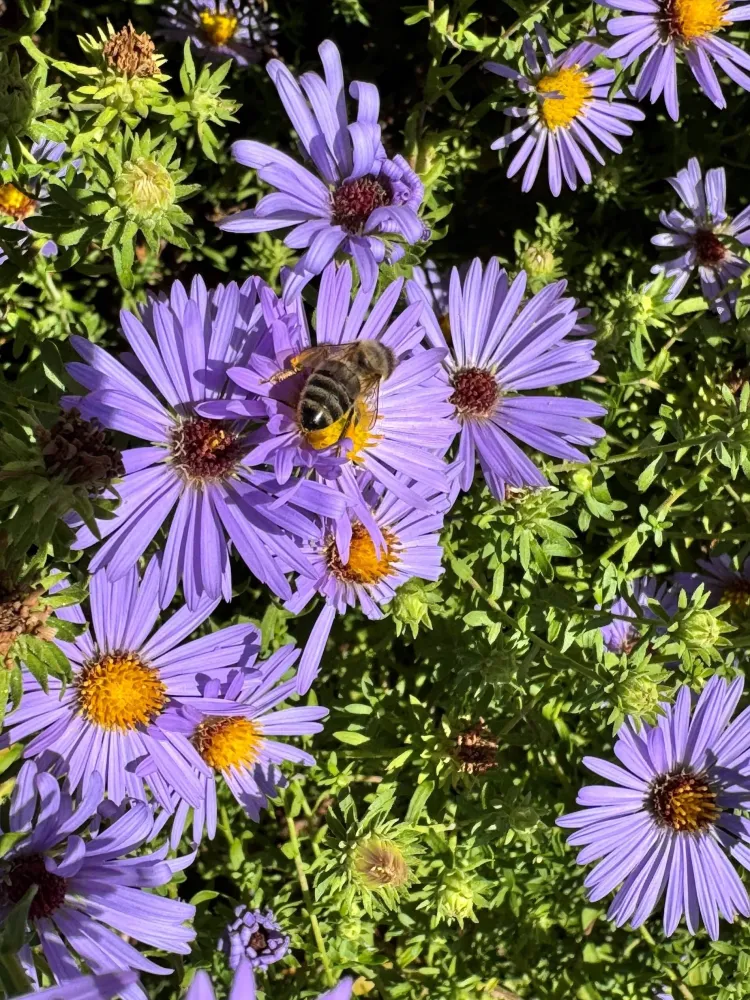
Local nurseries typically look to reduce their inventory before winter, so you can often enjoy discounts on the purchase of perennials. The selection may be a bit more limited, but it is likely that you will still find some lovely additions for your garden.
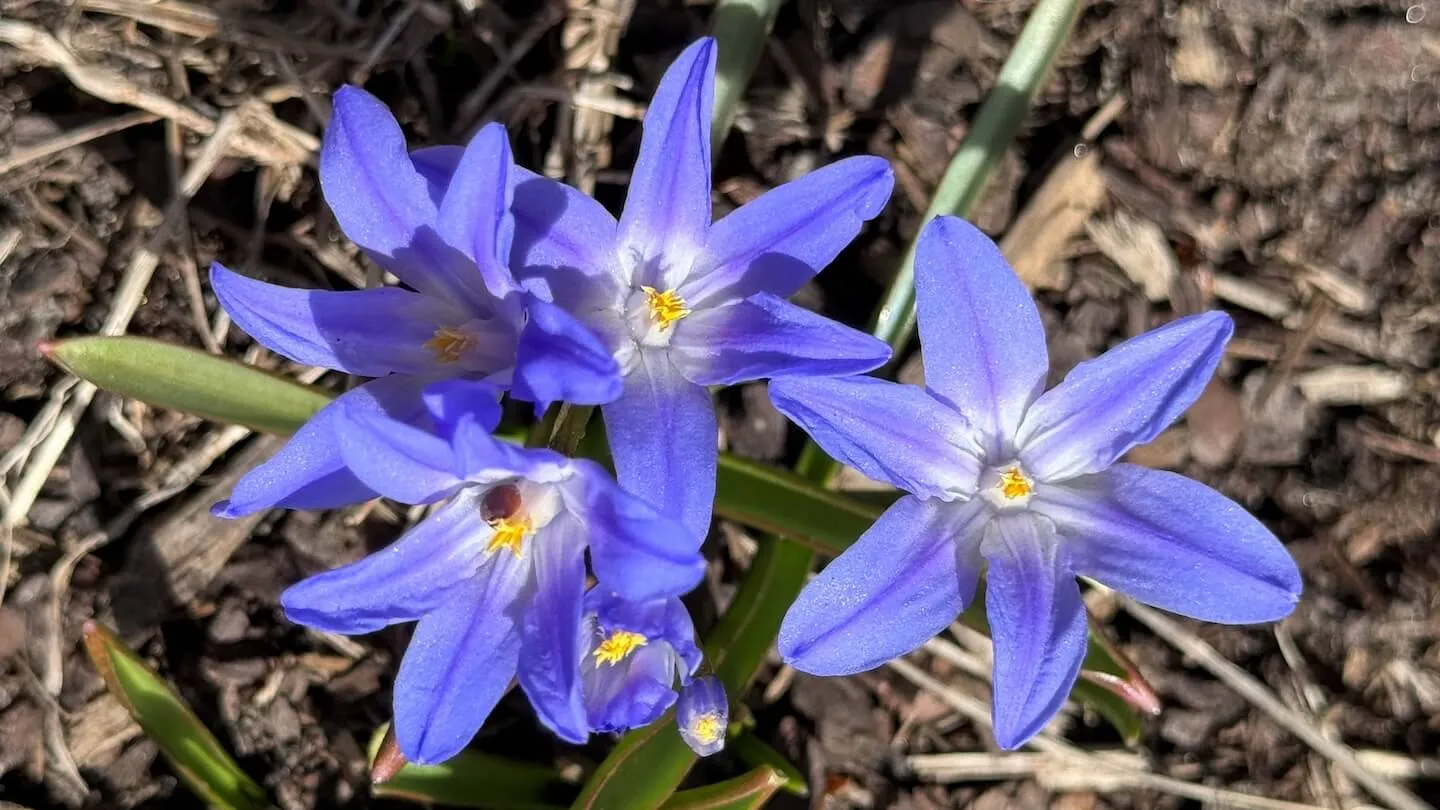
Don’t forget that now is the time to put those spring blooming bulbs in the ground, too.
Fall is a great time to divide or move spring and summer blooming perennials established in your gardens. Look for plants that have died out in the middle, are blooming less, have become too large, or are so overcrowded that air does not circulate well around them.
In particular, perennials with fleshy roots, such as peonies and Siberian iris, need to be divided or transplanted in the fall.
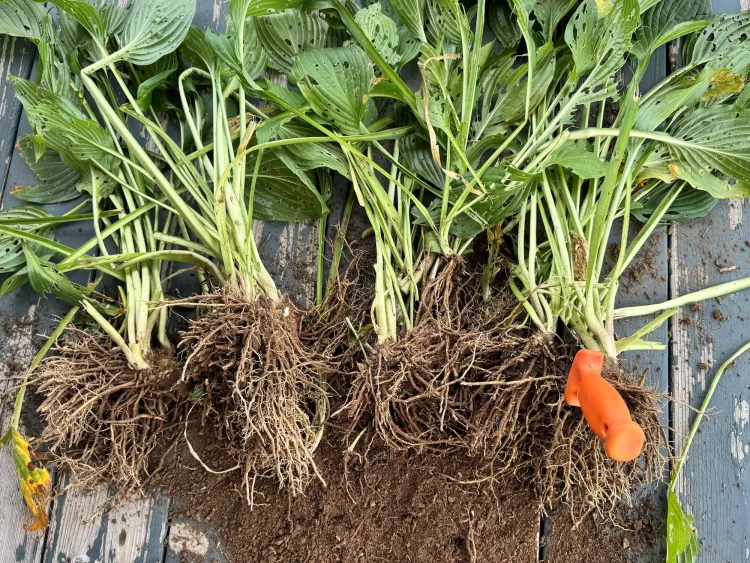
Regardless if you are planting a new perennial, transplanting an existing one, or moving a division, be sure to water it and the soil in its new location a day before planting. Choose an overcast day to conduct this task. Dig a hole at the same depth but wider than the plant’s root ball.
If you are planting perennials that have spent the entire season constrained in a pot, you may need to loosen the roots a bit. Do not add fertilizer, as it is not needed by the plant at this time.
Fill in the hole with soil and surround the transplant with a couple of inches of compost. Do not mulch around the plant yet, as this will allow the soil to soak up more of the daytime heat. Micro- or feeder roots will begin to grow in the warm fall soil, helping the transplants to establish a solid root structure before entering dormancy for the winter.
Water the transplants deeply once or twice per week if there is no rain. Stop watering and place mulch around the plant as temperatures begin to drop.
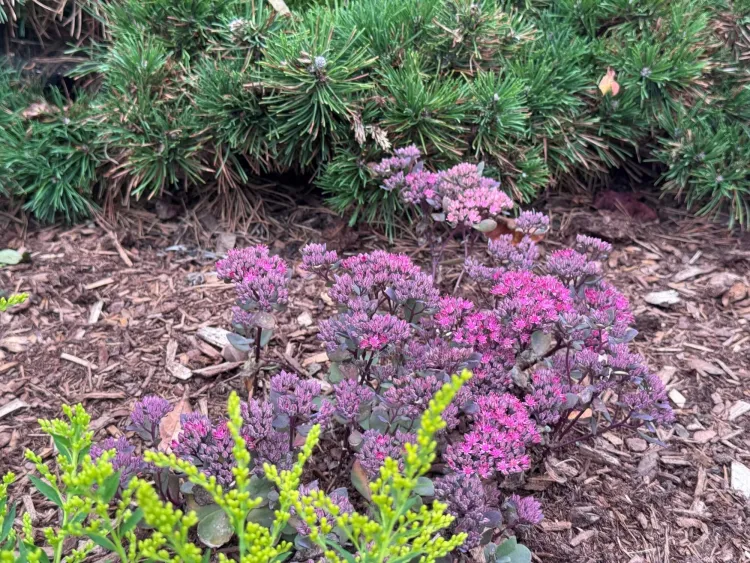
It is a good idea to place a plant marker noting the variety next to your transplant. That way, you can take care not to disrupt the sprouts as they emerge in the spring.
Spending just a while longer in your garden now will get your perennials off to a solid start for next spring.