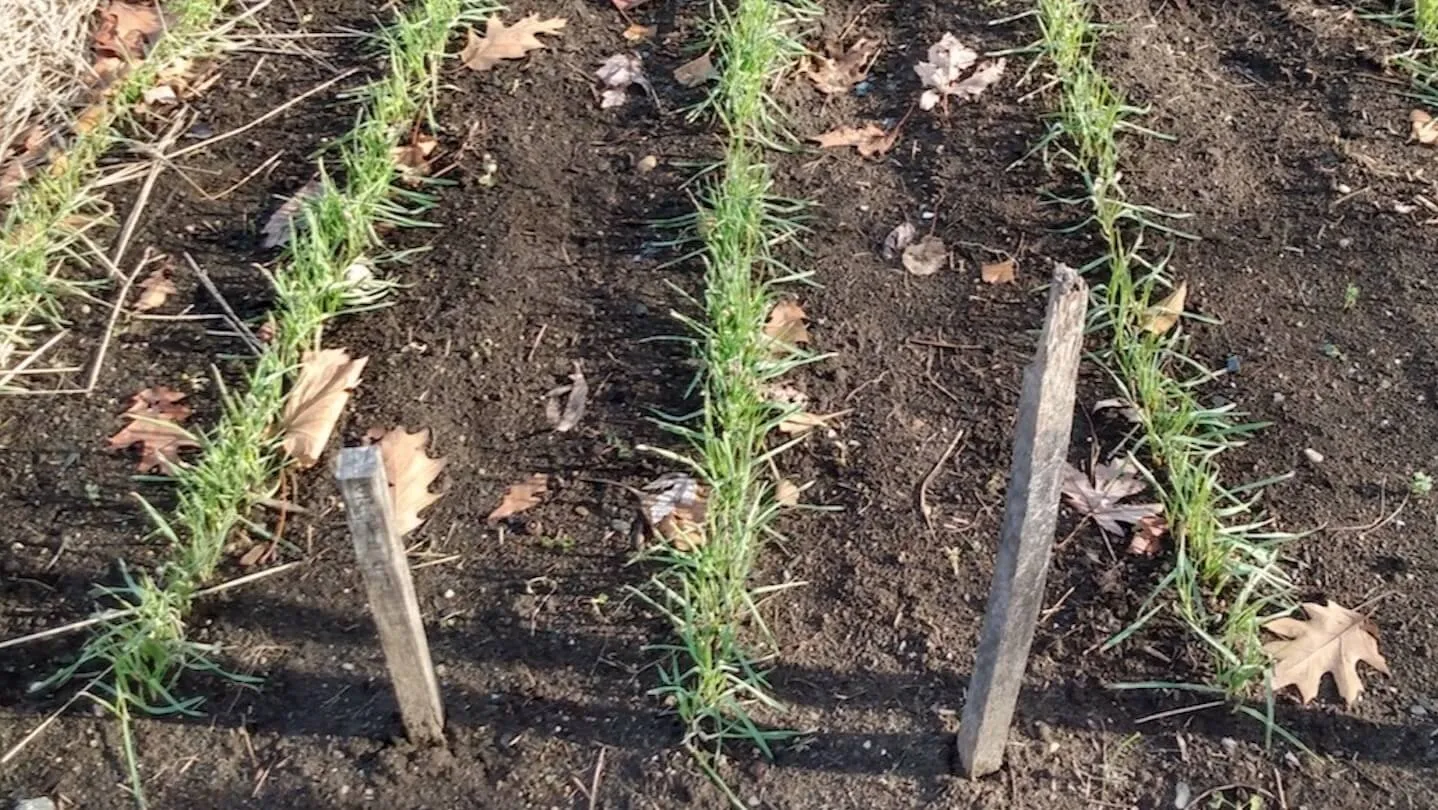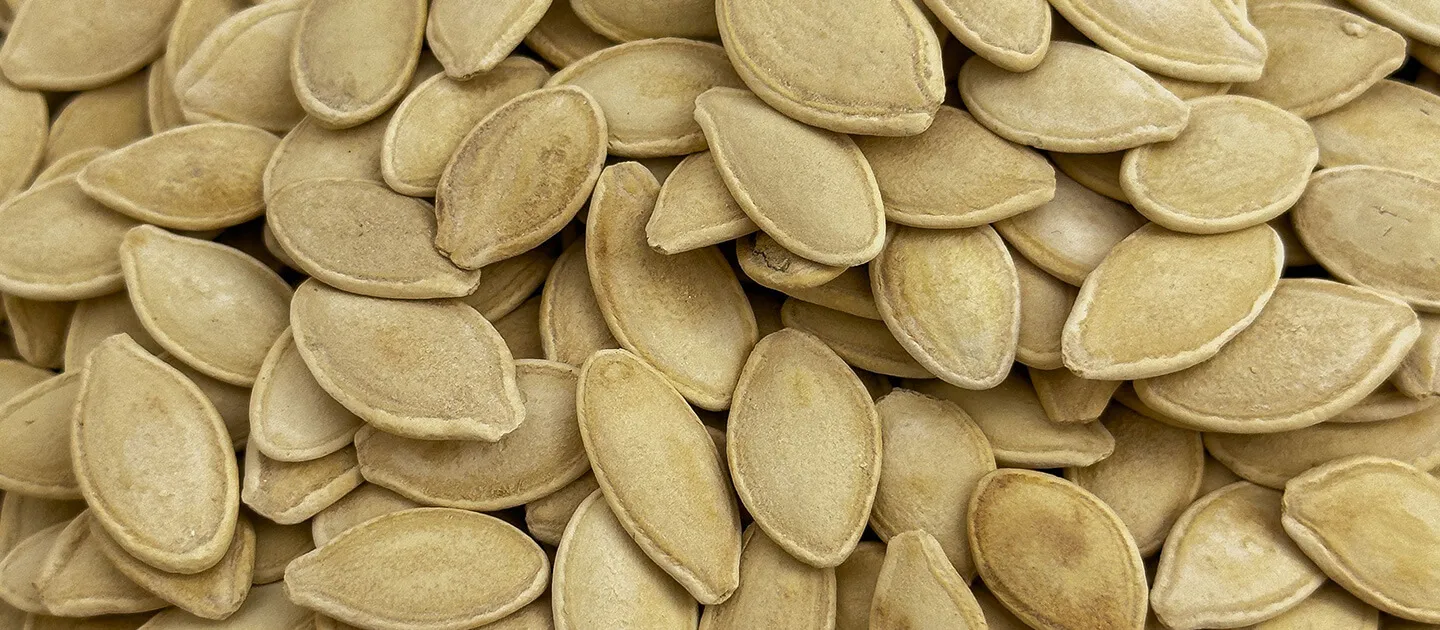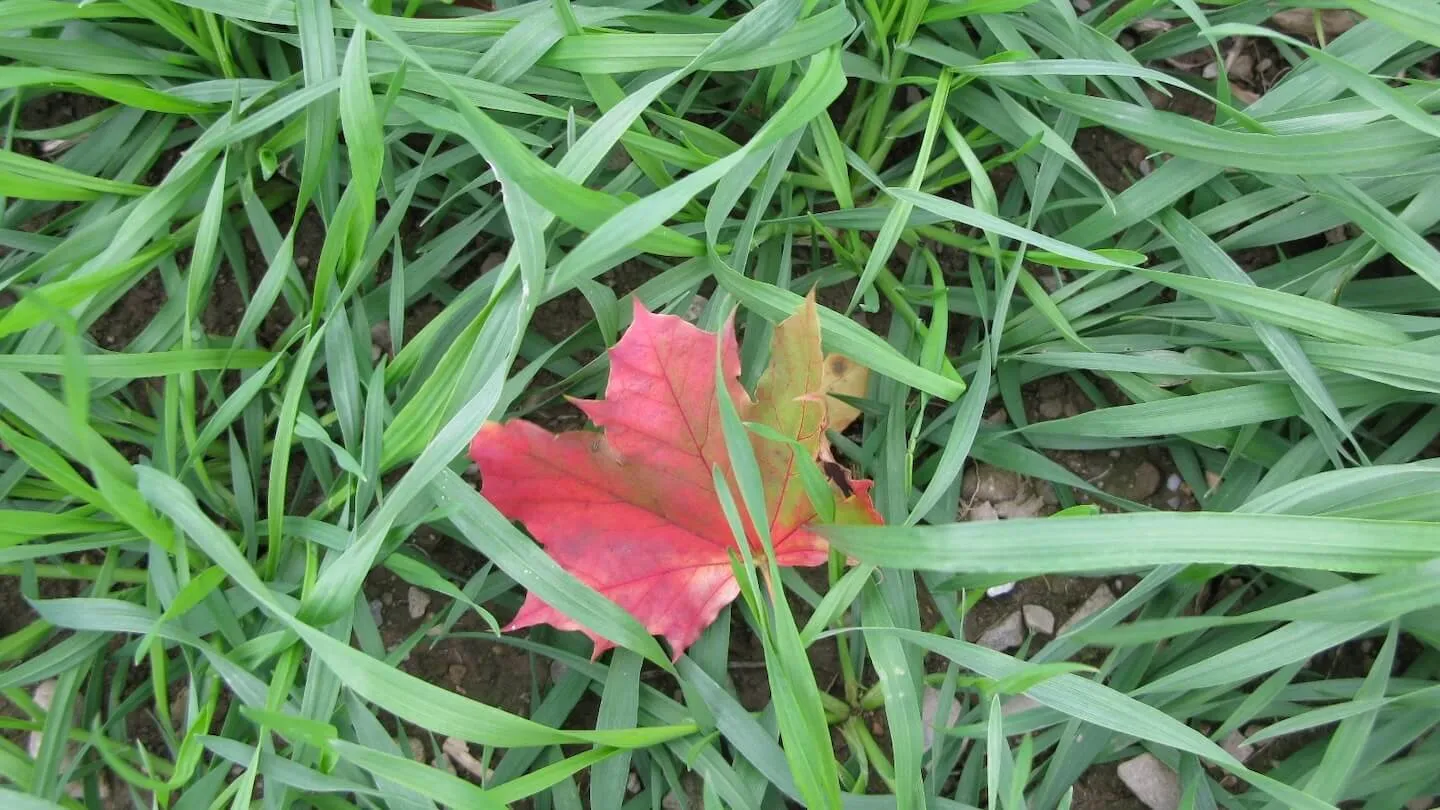
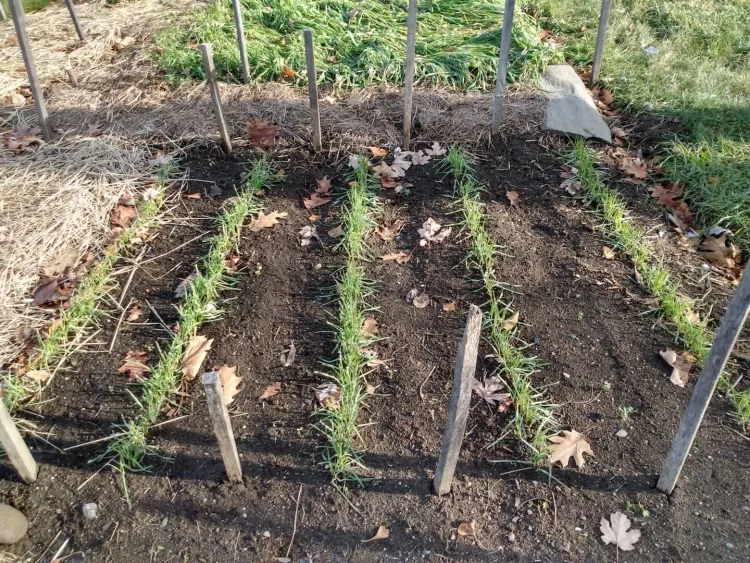
This is the ideal time to fill in those areas with cover crops, as they will have enough time to germinate and establish adequate root structure before the frost arrives.
A cover crop is a grass or grain, legume or brassica plant that is grown in order to provide a benefit to the soil. It can aid with weed suppression, reduce the risk of erosion, improve nutrient deficiencies, loosen compacted soil and/or open pores to allow for better water drainage.
Additionally, pollinators and other beneficial insect friends benefit from the bed of lush habitat and sweet forage that cover crops provide at a time of year when your perennials are fading and there is less foliage in which to nest.
While cover crops can improve nutrient availability in the soil, it is best to begin with a soil test so you understand your soil’s actual needs. Instructions and test order forms are available from the UVM Extension Agricultural and Environmental Testing Laboratory (https://go.uvm.edu/soiltest).
One nutrient that is not tested, however, is nitrogen. Nitrogen levels change rapidly over the season in response to weather, microbial activity and crop uptake. After a season of growing vegetables, your soil is likely depleted of nitrogen. Therefore, by planting a legume such as hairy vetch, crimson clover, winter peas, or fava beans, you can take advantage of their nitrogen-fixing properties.
Nitrogen fixation is a result of the Rhizobia bacteria which live in the root nodules of legumes, pulling nitrogen from the air and converting it to a form usable by plants. The legumes in turn offer the bacteria carbohydrates. Once the legume plant dies, the nitrogen is released back into the soil for use by the next plant.
Other fall cover crop plants, such as wheat, rye and oats, work as scavengers. Their roots seek out nutrients in the soil not used up during the growing season and incorporate them into their tissues. The nutrients become available in the soil after these plants die off.
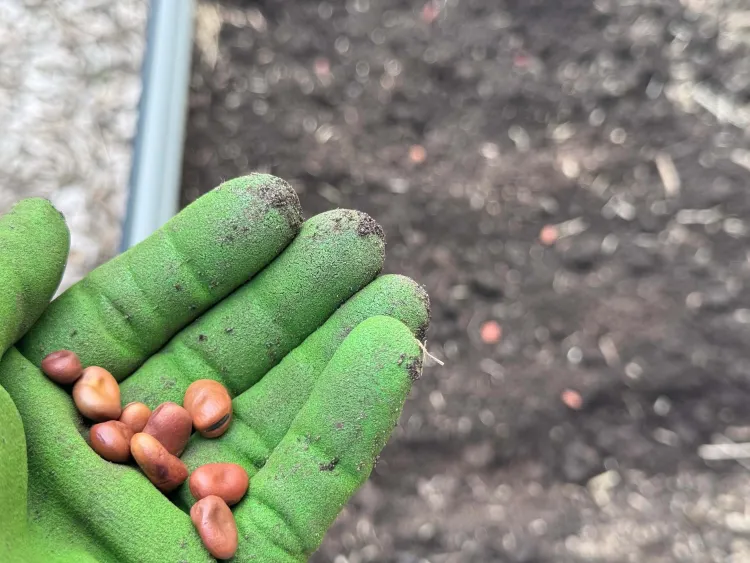
Once you have chosen the cover crops that are best for your soil’s needs, plant the seeds and water them, just as you would for crops grown for harvest. Ensure that you are providing them with the growing conditions they need to be successful.
Make a note of whether the plants will die off naturally during the winter. If they will not, you will need to terminate them before the beginning of the spring growing season. Some plants, such as rye, should not be left to grow after late May, or it can become more difficult to manage.
When the plants die, they can be chopped up and turned into your soil, thereby adding organic matter. Microorganisms in the soil get to work decomposing the plant material. This process releases nitrogen. Soils with high organic matter are also better at retaining essential nutrients such as calcium, magnesium, and potassium.
Planting cover crops in your vegetable garden now is a fabulous way prepare your soil for the next growing season.
For questions about cover crops and other gardening topics, contact the University of Vermont Extension Master Gardener Helpline online (go.uvm.edu/gardenhelpline) or by phone at 802-656-5421 between 9 a.m. and 12 p.m. on Thursdays from April to October.