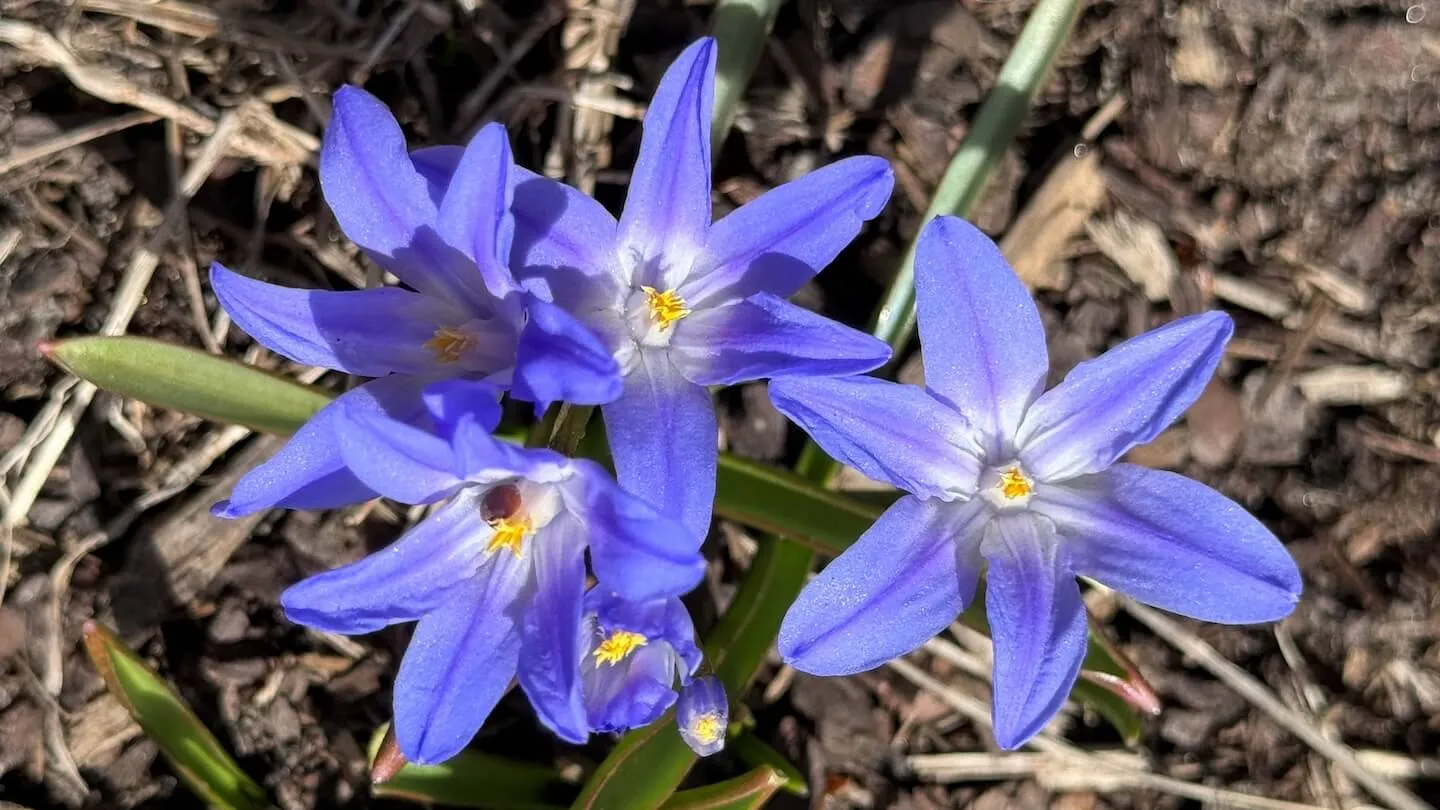
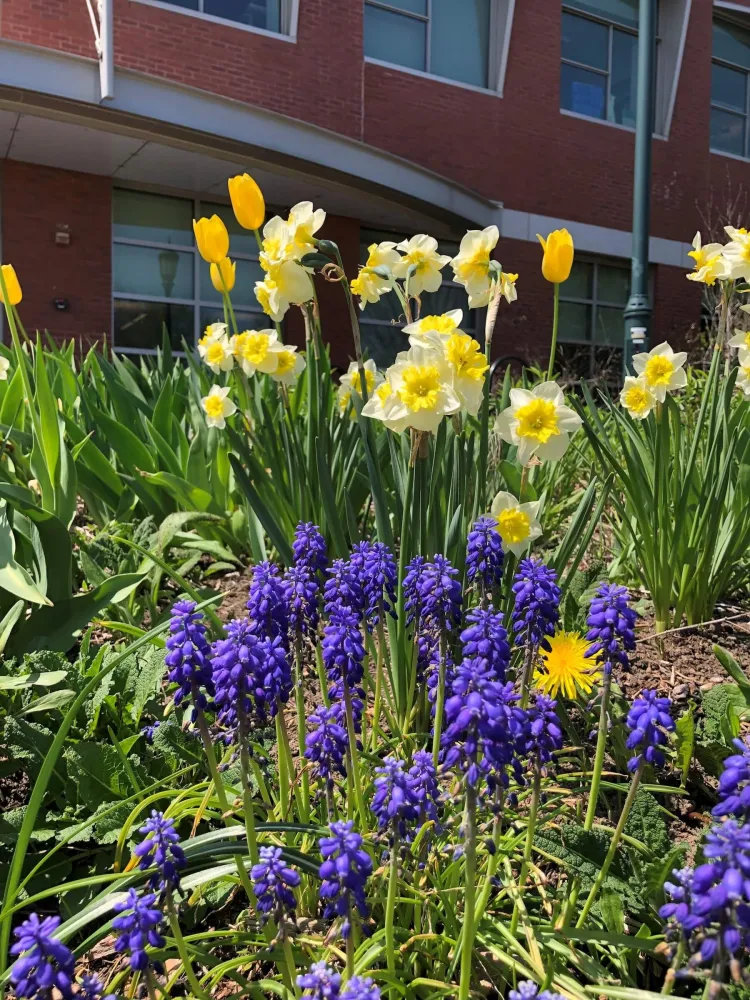
Where would you like to see flowers? Fall is a great time to prepare a new garden plot. Even established beds can benefit from a scattering of spring blooming bulbs for early color in the garden before perennials emerge. Clusters of tulips (Tulipa gesneriana) could stand boldly on their own. Consider planting snowdrops (Galanthus nivalis), Siberian squill (Scilla siberica) or grape hyacinths (Muscari) under deciduous shrubs or trees where they'll put on a show before the leaves on their larger neighbors unfurl.
Plant early-, mid- and late-season varieties if you'd like a continuous display of flowers week after week. Planting a swath of a single color can make a bold statement, while scattering bulbs across a wider area (such as crocus to naturalize in the lawn) or planting a selection of large, medium and small bulbs together can create a softer, more natural look.
When selecting bulbs, check to be sure no mold is present and that they're firm to the touch. If transplanting bulbs, discard any that are soft or damaged.
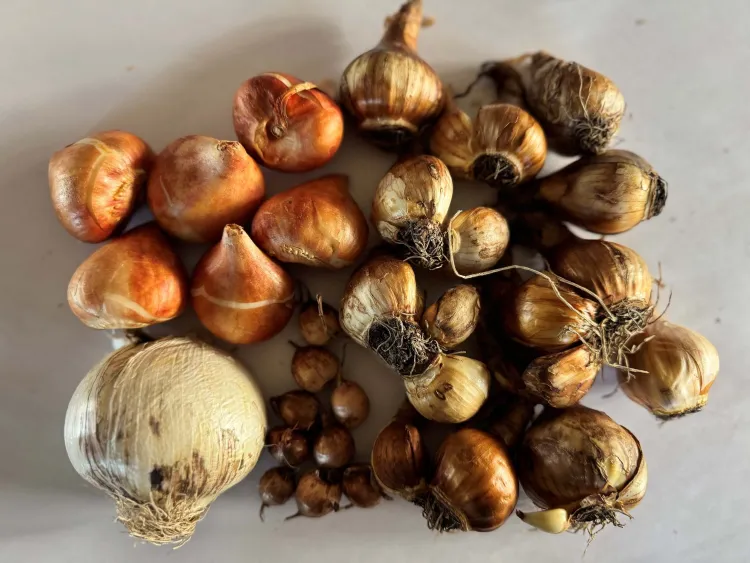
If you're planning a new bed for perennials next spring, consider including spring blooming bulbs now while reserving the parts you intend to plant later. In existing beds or near shrubs and trees, dig carefully to avoid disturbing the roots of perennials already growing there. Nestle bulbs between larger roots.
For best results, always refer to the instructions included with whatever bulbs you intend to plant. In general, bulbs should be planted about three times deeper than the height of the bulb. For example, for a 2 inch bulb, dig a hole 6 inches deep, place the bulb pointed side up at the bottom of the hole, fill with soil, tamp lightly in place, and water.
For a multi-layered effect, combine different sizes and types of bulbs, such as red tulips, grape hyacinths and snowdrops, together like lasagna. Dig a trench deep enough to accommodate the largest type of bulb. Put those bulbs in place and cover with soil to the depth of the next largest bulb. Put each layer in place, and water when the smallest bulbs have been covered with soil.
As a final touch, add a layer of mulch to help retain moisture in the soil. Mulch can help even out winter temperature fluctuations that could cause soil heaves and leave bulbs exposed to the elements.
Any extra bulbs you have can be forced to bloom indoors this winter. Since most bulbs require a period of cold before blooming, place them in a paper bag in the refrigerator (not the freezer). Large bulbs like daffodils require a longer chilling period (twelve to sixteen weeks), while small bulbs like snowdrops and grape hyacinth require a shorter time (ten to twelve weeks).
After chilling, plant closely together in a container of potting mix with the tips of the bulbs peeking above the soil. Water and place in a cool location (50 to 60°F). When green leaves emerge, move to a sunny spot and watch as spring arrives early indoors.
Some bulbs—like paperwhite narcissus (Narcissus papyraceus) and freesia (Freesia)—don't require cold before blooming. Simply place bulbs in a paper bag and store in a cool, dry location until you're ready to plant indoors this winter.
For answers to your home gardening questions, contact the University of Vermont Extension Master Gardeners Helpline online (go.uvm.edu/gardeninghelpline) or by phone at 802-656-5421 on Thursdays from 9 a.m. to 12 p.m. between April and October.