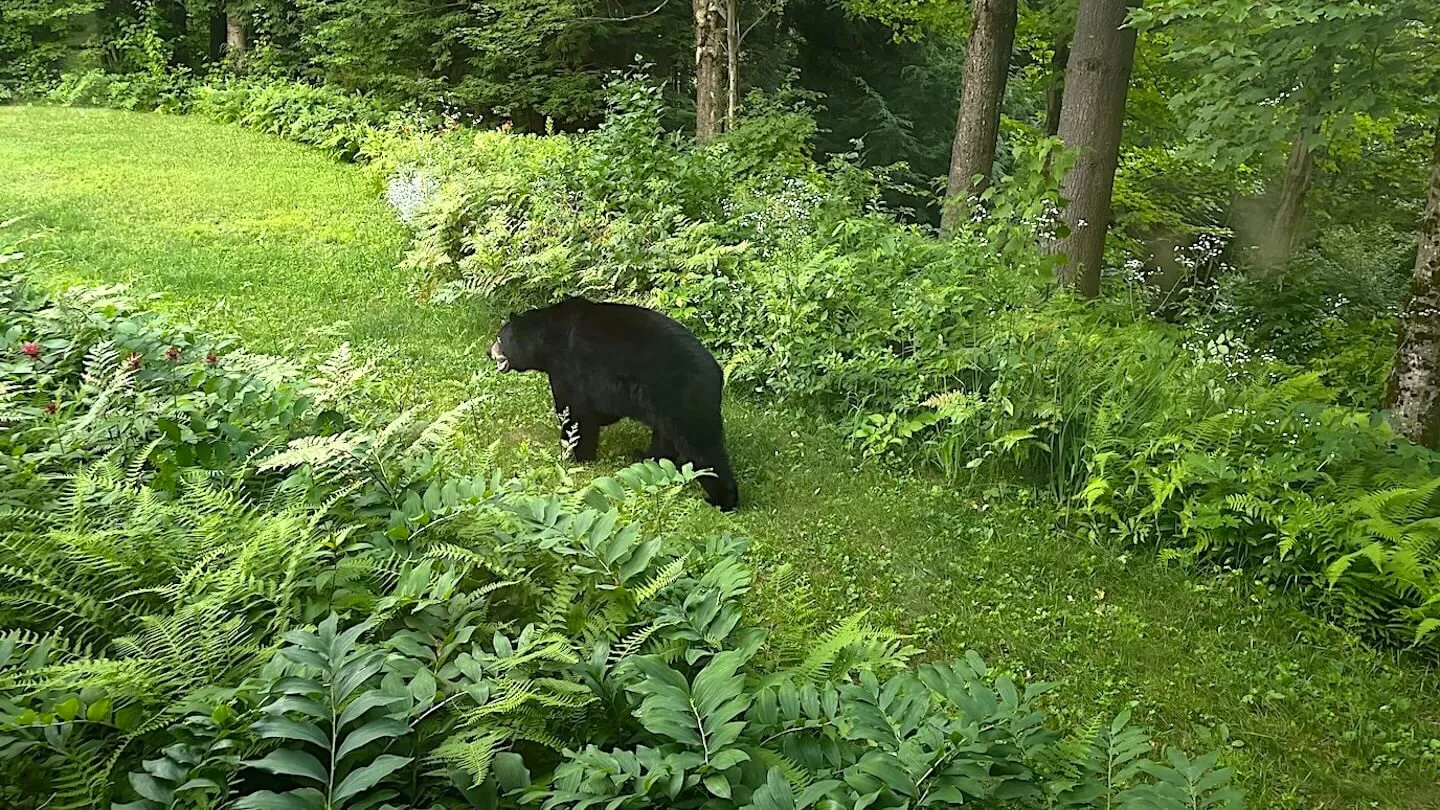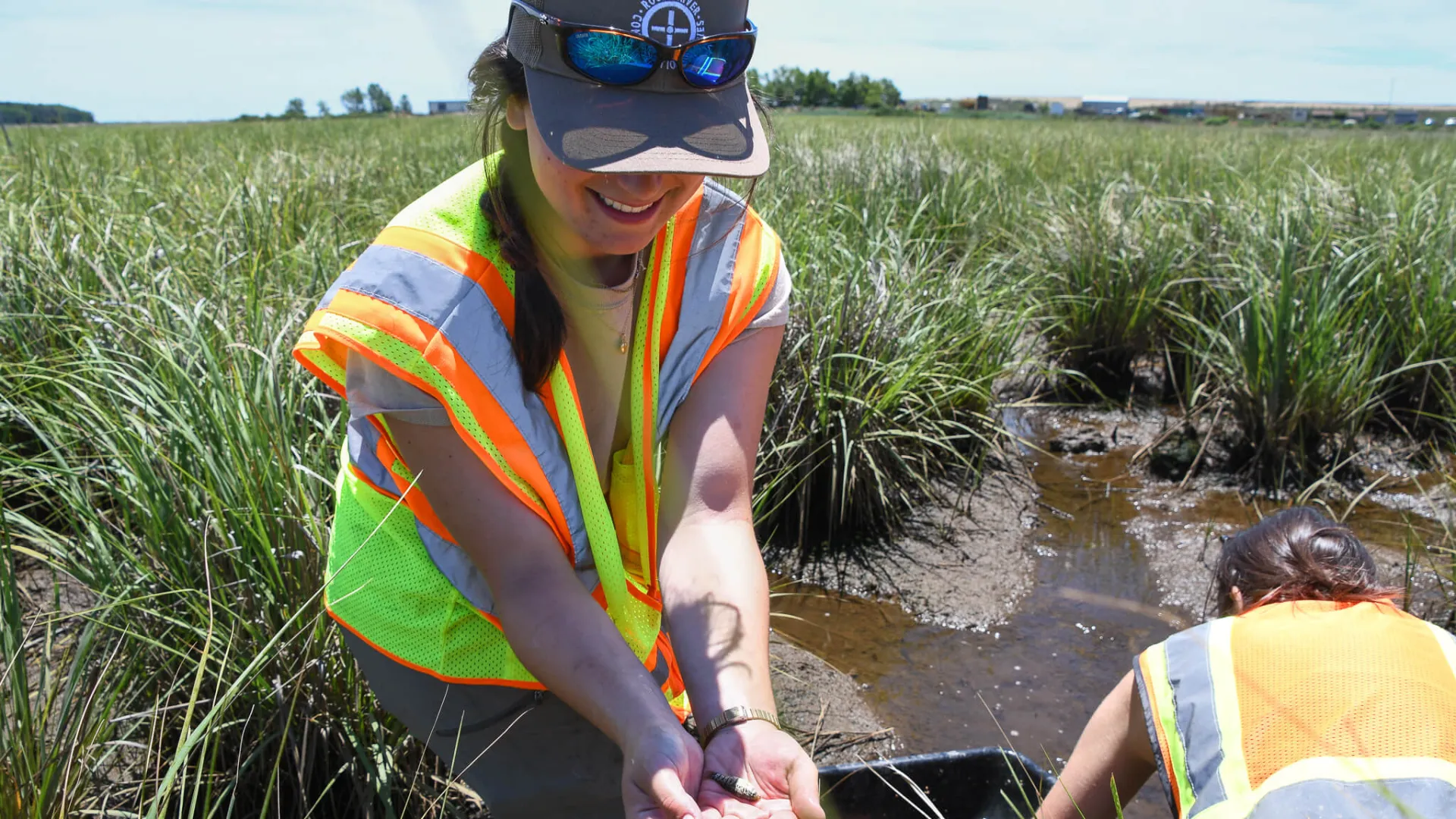
Rubenstein School student Maddie Tencza '27 worked with Professor Helina Jolly's lab as a perennial intern. She conducted qualitative interviews and worked closely with RSENR Ph.D. alum Dr. Joshua Morse at the Vermont Fish & Wildlife Department. She’s now planning to write a first-author paper based on this work.
This summer, I had the opportunity to work under Dr. Helina Jolly and Dr. Joshua Morse to explore the experiences of Vermonters living on the same landscape as black bears. Using semi-structured, long form interviews, I was able to hear over 50 personal accounts of bear interactions, detailing how individuals felt during these encounters, as well as why these encounters have been remembered and retold.
These interviews also gave me the chance to gain a deeper understanding about how each participant acted or behaved around bears, what their inner worldviews consisted of, what they thought about bear coexistence and conflict, and what the future of bear-human interactions should look like in Vermont.
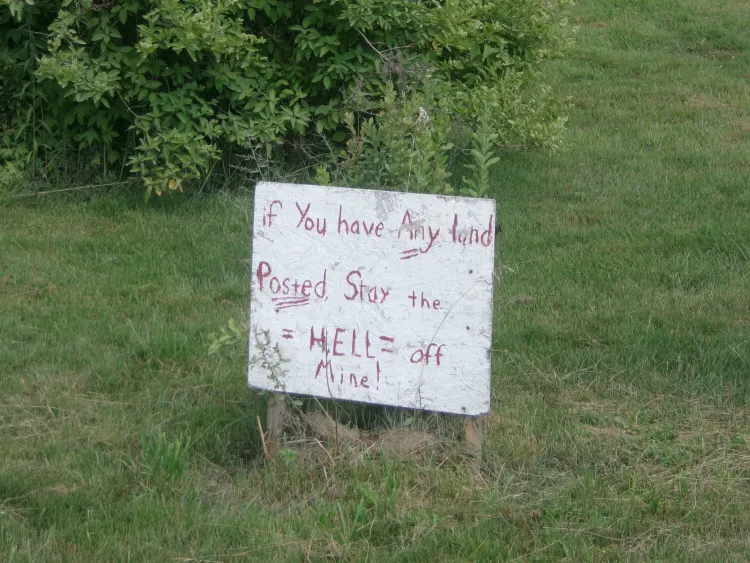
This method of sampling allowed me to travel to a variety of Vermont towns, some much farther than others. Whether I was in South Burlington or Weston, I enjoyed seeing how where people lived affected their relationship to bears, nature, and Vermont as a whole.
Joining this project, I dove head first into Vermont's world of bear interactions. Although I had never seen a bear in Vermont, I found myself growing a sense of connection towards the animal through other people's stories. Bears were described to me as spiritual, magical, and an integral part of Vermont, and after while, bears became that for me too. I found myself growing closer and closer towards bears as the summer went on, waiting for the day in which I would finally see one. I payed close attention to roadsides while driving, looked for black dots in fields, and peered through interviewee's windows in hopes of catching one pass by while we spoke.
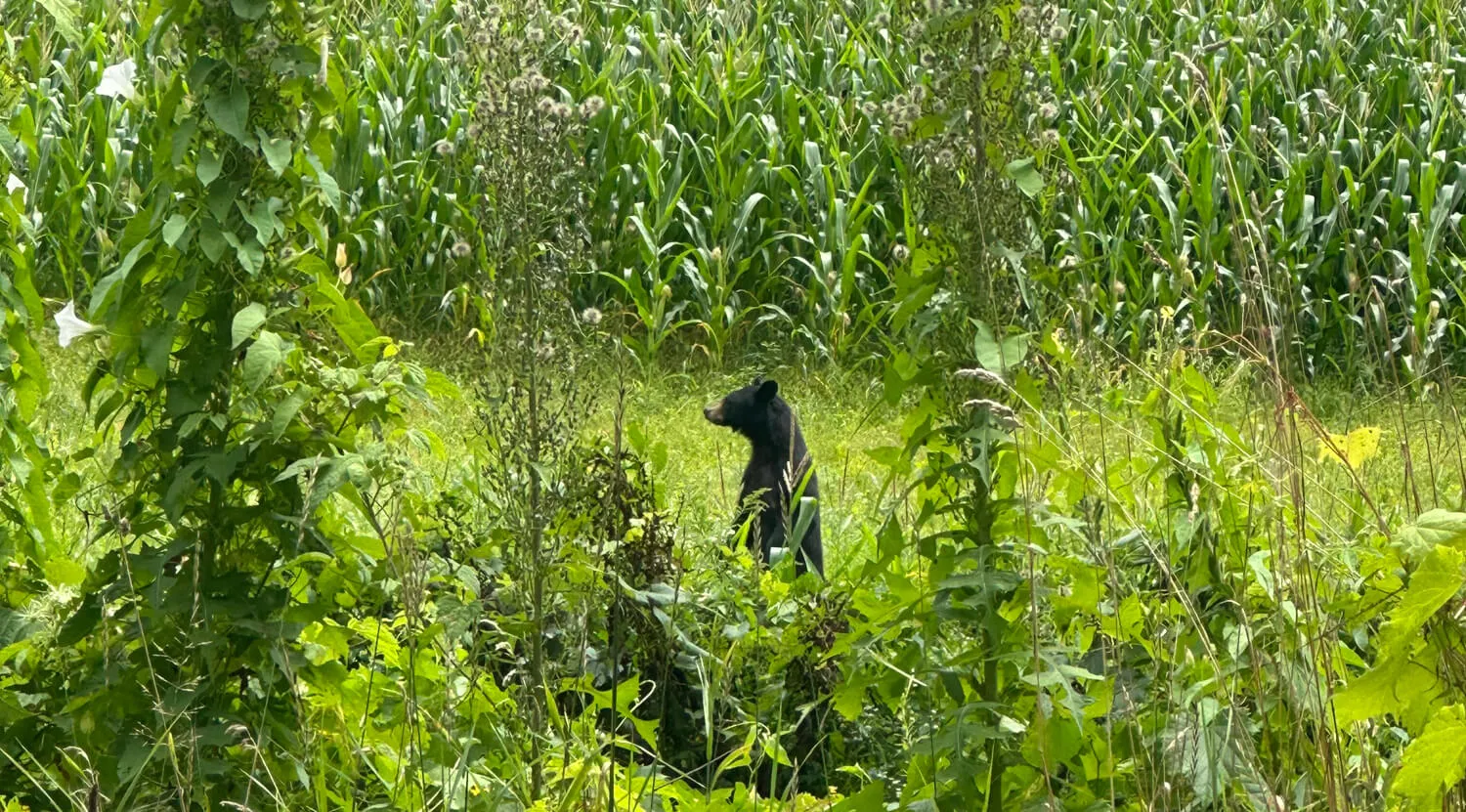
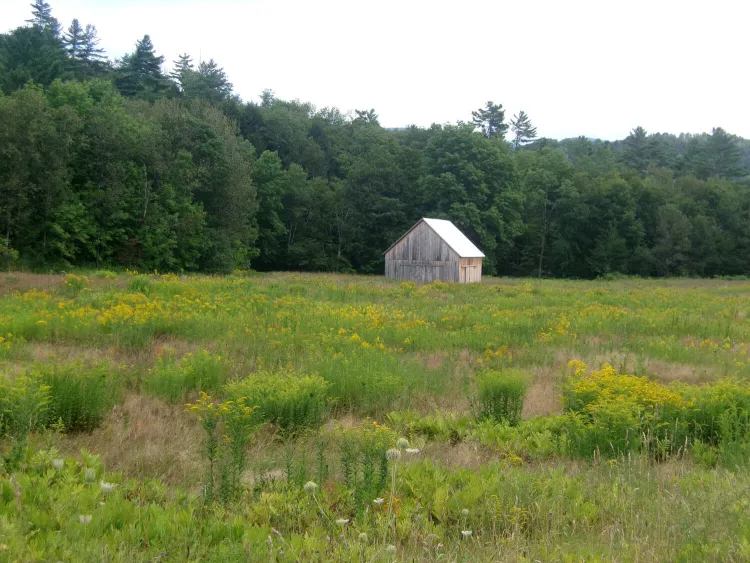
Heading to my last in-person interview of the summer, I saw my first bear. Despite it being the most probable place to have the encounter -- the edge of a cornfield in Stowe, I felt those same feelings of magic and excitement that had been previously described to me. As the bear and I made eye contact, I knew I was finally worthy of seeing one.
I have since submitted an abstract to the American Association of Geographers Annual Meeting (New York City, USA) in February 2027, as well as the International Conference on Human-Wildlife Conflict & Coexistence (Bangkok, Thailand) in March 2027, where I hope to present my research findings.
Human-wildlife coexistence work allows researchers to move away from the traditional stories of human-wildlife conflict. Popularizing this work may shift the way the media portrays human-wildlife interactions by highlighting stories where things 'go right'. When we look only at the bear conflicts that have occurred in Vermont, we overshadow the positive relationships between humans and bears that make up the majority of the state. If we look beyond the towns that have caught our attention, such as Stowe, we can see a side of Vermont that exhibits harmonious relationships with bears, in which residents actively work to prevent negative bear interactions.