Finding the Right Program
We are proud of our close-knit community that is characterized by high levels of engagement with fellow graduate students, undergraduate students, faculty, and staff in a vibrant learning-research atmosphere. The Rubenstein School Graduate Student Association (RGSA) creates opportunities for connection, learning, and peer support through events, seminars, and off campus activities.
Program Mission and Learning Outcomes
Mission
We seek to cultivate an appreciation and enhanced understanding of ecological and social processes. Our curriculum and research aim to achieve a sustainable human community in harmony with the natural environment. We pursue this goal through synergistic approaches of generating and sharing knowledge. Our students are challenged through their scholarship, to become innovative and accountable leaders. Our emphasis on the integration of natural science and cultural perspectives reflects the interdisciplinary context in which ecosystem management, resource planning, and environmental concerns must be addressed.
Learning Outcomes
All graduate students will:
Design and execute original and ethical research to address fundamental challenges in the environment and natural resources;
Apply mastery of theory and knowledge at an advanced level consistent with the highest standards of their concentration;
Develop skills in oral and written communication to present work and publish in the field;
Engage in practices that support their professional aspirations;
Apply and personalize an analysis of power and privilege in the context of their unique work;
Identify the societal relevance of their unique work as it relates to contemporary social-ecological systems.
Ph.D. students will also:
Develop effective teaching practices and an understanding of pedagogy in higher education.
Faculty
Finding a Faculty Advisor
Depending on the program you choose, finding a faculty advisor is an important next step. Explore faculty profiles and laboratory websites to learn more about their areas of research interest, previous publications, and current projects.
Rubenstein School Graduate FacultyOnce you have identified a faculty advisor of interest, review our RSENR Assistantships webpage to see a comprehensive and regularly updated list of active recruitment opportunities for upcoming cycles. Should any prospective advisors have available openings, contact them as specified to inquire further, and to share more about your research interests and relevance to their work and available position.
Students are encouraged to apply only when faculty obtain grant funding to support a new recruitment and advertise their funded positions on our RSENR Assistantships webpage or other, discipline-specific pages. We suggest only applying to the UVM Graduate College if you are interested in a posted position or if you are encouraged to do so by individual faculty with which you have corresponded.
Our MS and Ph.D. in Natural Resources programs run on a funded graduate assistantship model. This means that we do not accept general applicants to our program. A faculty member must have agreed to be your advisor before you can be accepted into our Natural Resources program.
If you have questions about our programs or application process, please reach out to our Rubenstein School Graduate Program Coordinator at rsenrgc@uvm.edu.
Applying to the Rubenstein School
Application Details
Please review these webpages for application deadlines for each of our programs and admissions cycles (Fall [primary], Spring, Summer), as well as details on materials requested as part of the UVM Graduate College application.
For our Natural Resources programs, we have outlined a few additional details and recommendations for your reference below:
- We do not require a writing sample or GRE exam.
- We recommend you indicate your interest and previous communications with any prospective faculty advisor(s) in your Statement of Purpose.
- Note, most of our funded positions will be recruiting for the Fall cycle. Off-cycle (Spring & Summer) admissions may occur as a result of grant opportunities that faculty may be awarded at different times of the year.
- We require 3 letters of recommendation. Receival of all 3 letters most frequently delays our application review process. We suggest you start this process early and follow-up with your recommenders, when relevant, to make sure this step is completed in a timely manner.
- Please refer to the FAQ section of this webpage for details on available Application Fee Waivers through the UVM Graduate College.
- Applicants whose native or first language is not English are required to submit proof of English proficiency. Visit Graduate College International Student Admissions for information regarding English proficiency exam scores and waivers.
Funding Resources
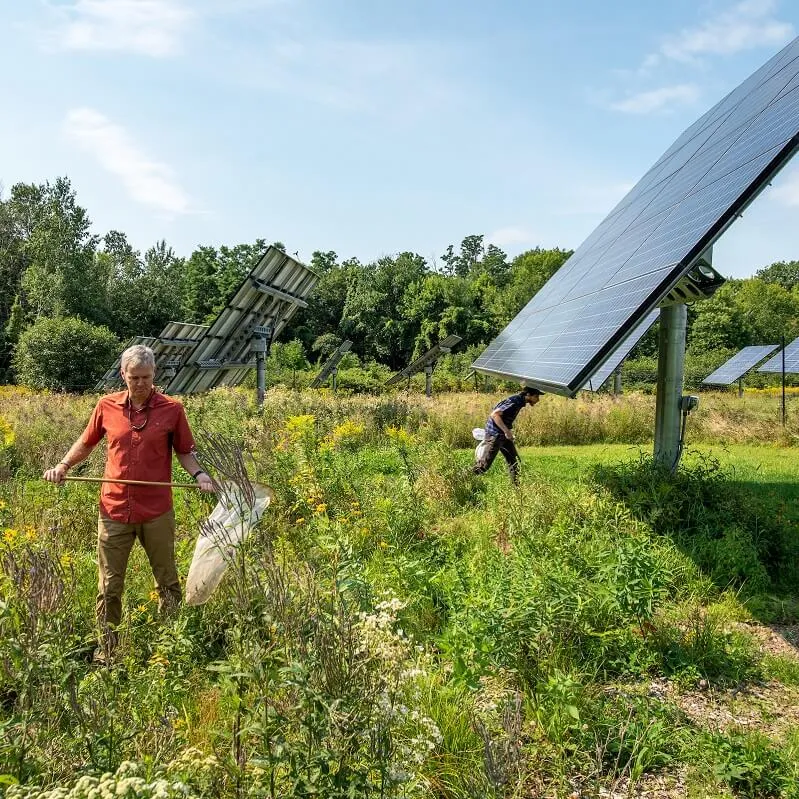
The Gund Institute for Environment
The Gund Institute for Environment is a community of researchers, students, experts, and practitioners who work together across disciplines. They offer competitive Gund PhD Research Fellowships for incoming PhD students across relevant UVM doctoral programs.
Learn More & ApplyContact us
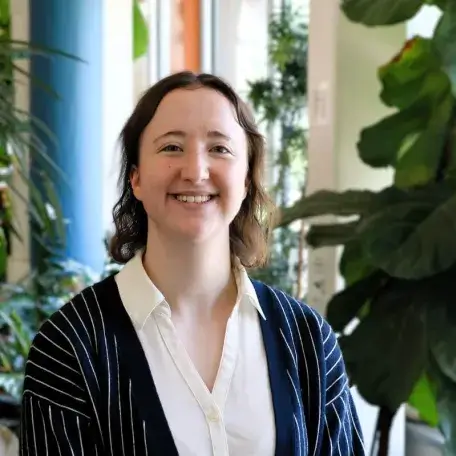
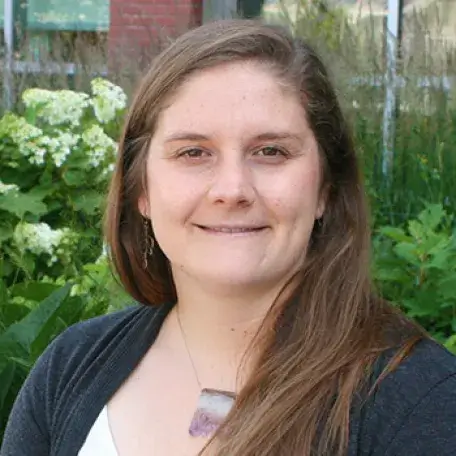
Associate Professor • Director of Natural Resources Graduate Program • Faculty Fellow, Gund Institute for Environment
brittany.mosher@uvm.edu (802) 656-3105