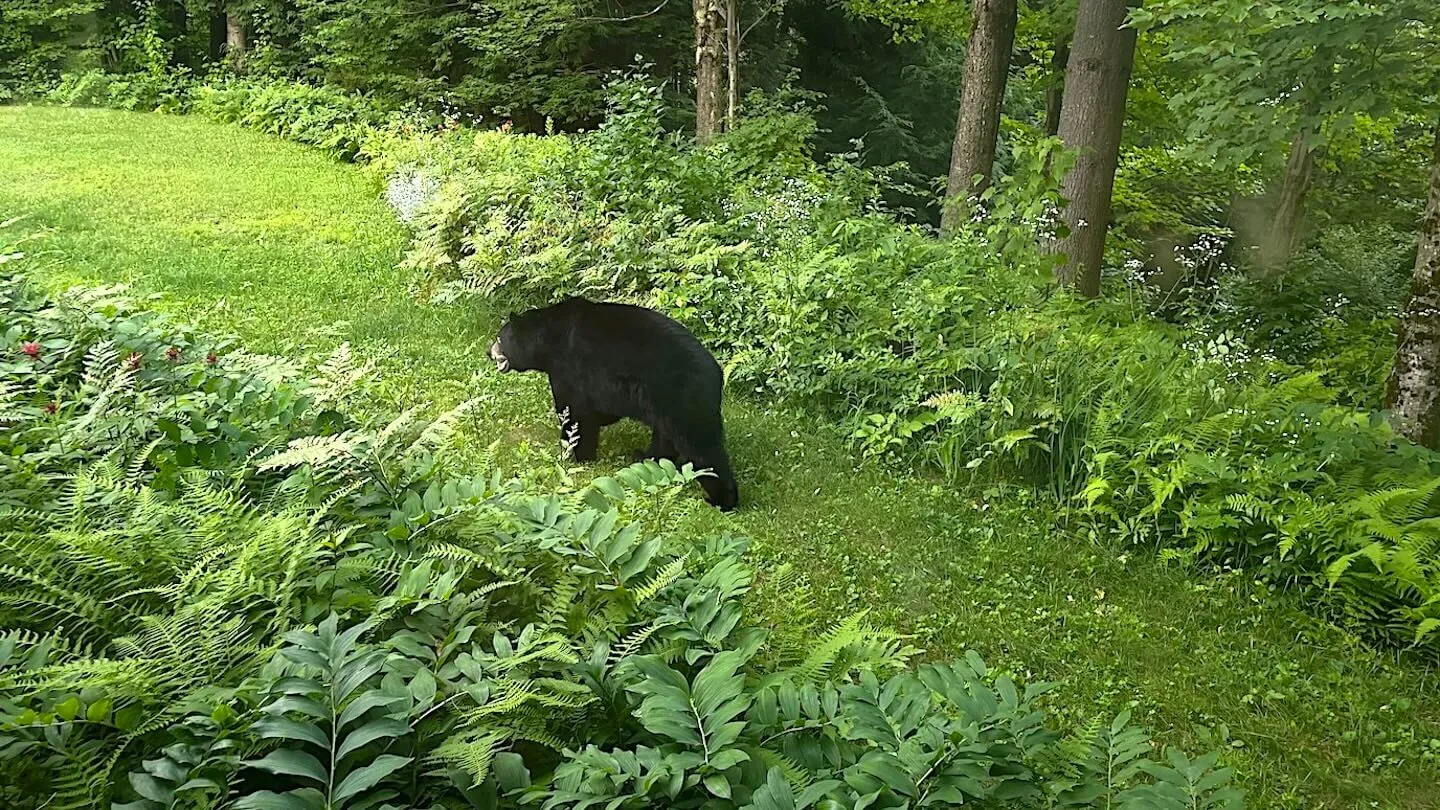
The good news is that Vermont's black bear population is healthy and growing, a sign of successful wildlife conservation. The bad news is that more bears can mean more opportunities for human-wildlife interactions, including around backyard compost piles.
Because of concerns about bears and other wildlife, many Vermonters are hesitant to compost food scraps at home, despite Vermont's universal recycling law which bans food scraps from the trash. However, when managed properly, compost piles generally do not attract wildlife. A short course offered by University of Vermont Extension will show participants how to compost successfully while minimizing wildlife conflicts.
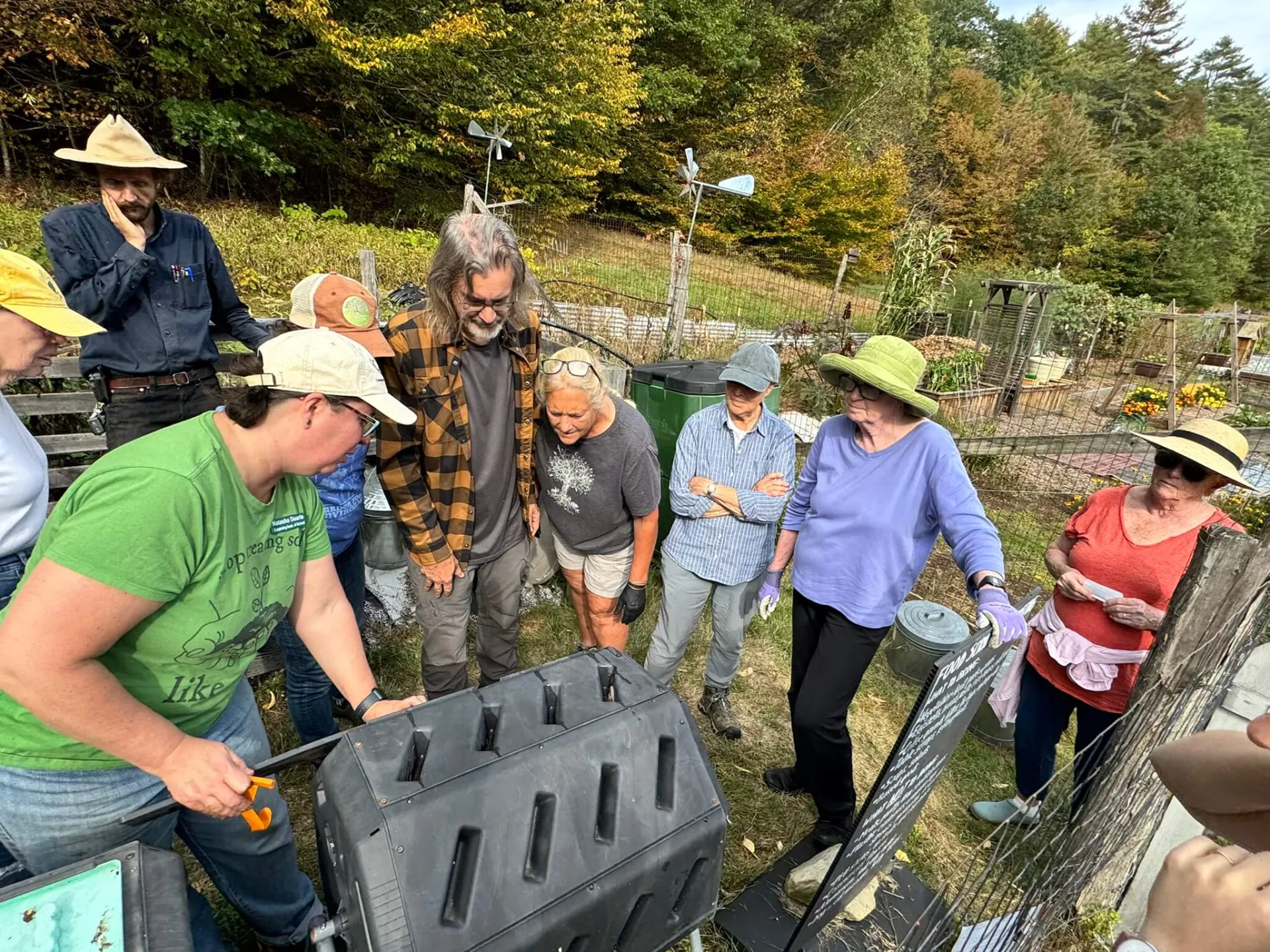
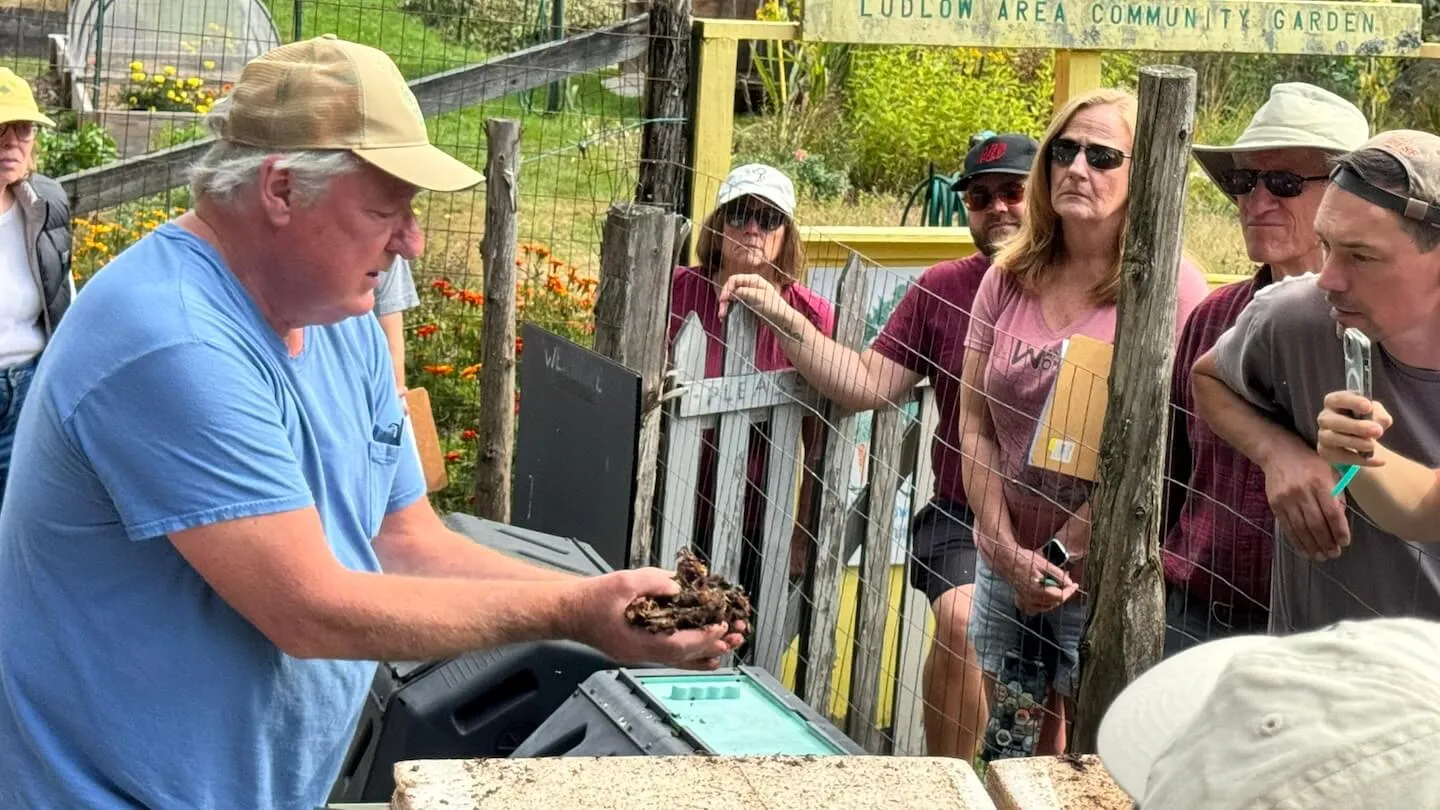
Called "From Scraps to Soil", the six-week course begins Sept. 11 and combines online learning, live Zoom sessions, and hands-on workshops. Participants will meet online Thursdays from 6 to 7:30 p.m. and attend in-person workshops at three community composting sites around the state.
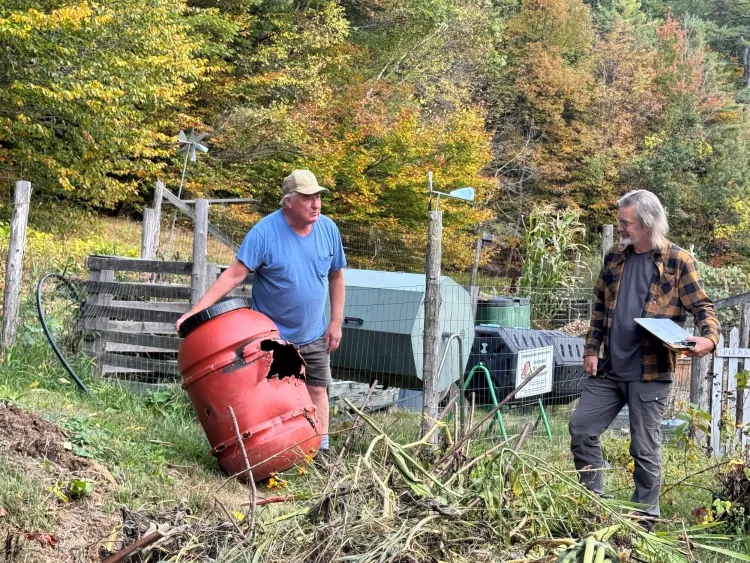
Participants will hear from compost expert and soil scientist Dr. Wendy Sue Harper and Natasha Duarte, executive director of the Composting Association of Vermont. Drawing on both professional expertise and personal experience composting in bear country, they will teach participants how to create biologically diverse compost that supports healthy soils while deterring wildlife.
Registration is $50 per person for Vermont residents and includes all course materials. The registration deadline has been extended to Sept. 10.
You can learn more and register at the course website (go.uvm.edu/vtcompostingcourse).