From village downtowns to farm fields and ski slopes, Vermonters are living the reality of climate change every day. The latest Vermont Climate Assessment (VCA) by University of Vermont scientists offers the most comprehensive analysis of Vermont’s dramatically changing climate and the impacts on residents, towns, the environment and activities across the Green Mountain State.
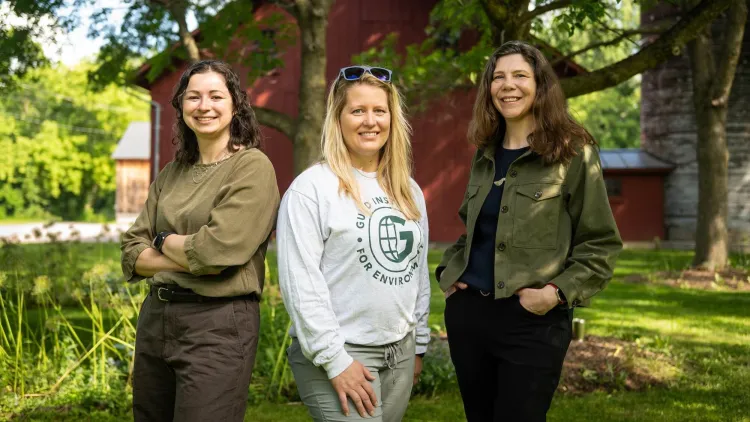
“National climate assessments are very useful but can lack the detail necessary to support local decision-making, such as planning or specific actions,” says UVM’s Gillian Galford, lead author and director of UVM’s Climate Measurements Center of Excellence (CMeC) at the Gund Institute for Environment. “As a small, rural state, Vermont needs information on climate change impacts that is relevant to the lives of Vermonters.”
The latest VCA is focused on providing the in-depth, local information that Vermonters need to prepare for a changing climate, Galford says.
“Climate change is hurting every state in America, and Vermont is no exception. We need to do everything we can to protect Vermonters and our communities from the impacts of the climate crisis, and that starts with investing in, and following, climate science,” said Sen. Peter Welch. “I’m thankful for the University of Vermont’s commitment to service-learning and research and applaud the undergraduate and graduate students in the 2025 Vermont Climate Corps for their commitment to combatting climate change. Climate action is needed, and it’s needed now—this work will help us shape climate policy in Vermont and in Washington.”
Changing climate, changing seasons
Winter is the state’s fastest-warming season, with Southern Vermont experiencing the most drastic change. Vermont is seeing more midwinter rain, almost four more winter days above 50 degrees since 1900 and almost 16 fewer days below zero compared to 1900. Consequently, the state is seeing shifts in streamflow, maple runs, and the quality and length of the winter outdoor recreation season. These trends are expected to continue, the authors say.
Summers, too, are heating up—and at a faster rate than reported in the VCA 2020. The freeze-free period in Vermont has lengthened by almost 24 days since 1900. Annually, on average, the state now sees three and a half more days above 90 degrees, and almost two fewer nights that drop below 70. Precipitation extremes are becoming more common, as seen in 2025’s drought, and the floods of 2023 and 2024.
Economic and health impacts
These changes touch every corner of Vermont. Inescapable is the significant and ongoing economic impact of climate change. Flooding in 2023 and 2024 caused an estimated $1 billion in damage. Unpredictable weather shifts, particularly during shoulder seasons, have harmed agricultural businesses. For example, farmers reported nearly $6 million in crop losses following 2023’s late-season freeze—which was then followed by $16 million and $5 million in agricultural losses from summer flooding in 2023 and 2024, respectively.
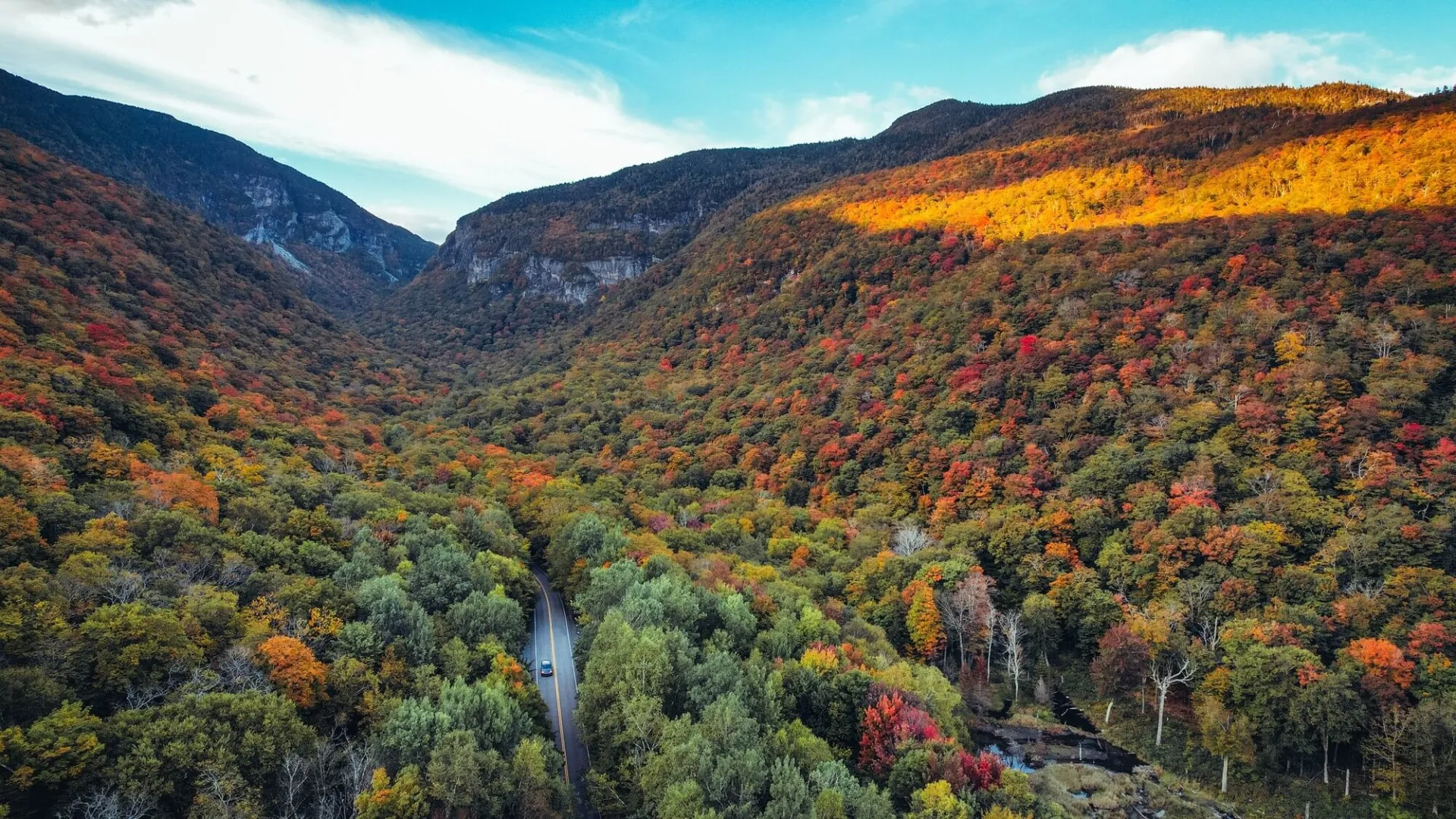
Tourism also plays a significant role in Vermont’s economy, with foliage season alone bringing roughly $500 million to the state’s coffers each year. Shifting and unpredictable seasonal changes make fall foliage change—and spring maple runs—difficult to predict and plan for. Outdoor recreation, a key economic driver that adds $2.2 billion annually to Vermont’s GDP and provides 5% of Vermont’s jobs, faces significant impacts from climate change across all seasons.
The report notes that the impact of climate change on human health is a growing area of concern. Lyme disease rates have increased fourfold since 2008 as ticks survive warmer winters. Twice as many Vermonters are now experiencing homelessness as before COVID and, as a result, are highly exposed to the hazards of extreme weather that is more frequent due to climate change. Extreme heat is dangerous for outdoor workers and vulnerable populations, as is poor air quality from increasingly frequent wildfire smoke. Extreme storms can damage infrastructure and knock out power, with cascading effects from individuals losing power for needed medical equipment, to flood-damaged municipal water treatment plants releasing untreated sewage, to blocked roadways cutting off access for emergency responders.
Climate change, in other words, is already challenging Vermonters on nearly every front.
Key points:
- Vermont is experiencing unprecedented weather extremes, with records for highest average winter temperature, number of warm winter days and single-day rainfall total, all broken within the last five years. These increasingly extreme conditions are causing significant economic damage, including an estimated $1 billion from the July 2023 and July 2024 floods.
- Vermont’s climate is becoming warmer, wetter and more variable, and at an accelerating pace. Average annual temperatures have increased by 3.6°F since 1900, while annual precipitation has increased by 20%. Heavy precipitation is becoming more frequent, but rainfall is also becoming more variable, with intense storms increasingly interrupted by dry spells and drought.
- Shifting seasons are transforming how Vermonters live, work and play. Winters see about two feet less snow since 1990, the growing season is almost 24 days longer, and summers now include more extreme heat.
- A hotter Vermont increases risks to people, farms and infrastructure. With hotter summer days and nights, combined with higher humidity, both human and livestock health are threatened, while transportation and electricity systems are taxed by extreme weather.
- Water is a central climate challenge for Vermont, across all seasons and sectors. With more rain falling in the winter and more flooding occurring year-round, pollutants are washed into waterways, harming water quality, public health and aquatic ecosystems.
- Climate risks are interconnected and compounding—requiring action now. All of the risks named here—and many others—exist and change in concert with one another, and require extensive, complex and coordinated planning efforts that encompass all sectors including natural, municipal, physical, financial and infrastructure.
In a rural state whose residents have close ties to the land and environment, these losses have cultural and mental health impacts. Hunting and fishing depend on predictable seasonal patterns and healthy wildlife populations, both of which are increasingly disrupted by climate change. Skiing, snowmobiling, pond hockey and ice fishing all require significant periods of cold, snowy weather—but shorter, warmer winters limit when, and for how long, these activities are safe, viable and enjoyable to pursue.
The authors note that in coming years the changes outlined in the assessment will continue to evolve and bring with them subsequent tradeoffs.
For example, while Vermont’s growing season is getting longer, floods, droughts, and unpredictable shifts from one extreme to another will create unprecedented challenges for farmers and gardeners. More hot days create opportunities for paddlers and swimmers to hit Vermont’s rivers and lakes—but they also mean longer breeding seasons for mosquitoes and ticks, and more frequent harmful algae blooms in waterways. Long, warm summers are great for hikers and mountain bikers—until the outdoor air gets so hot, humid and choked with wildfire smoke that these activities become dangerous to undertake.
A changing natural environment
The effects of climate change are not exclusive to Vermont’s human inhabitants. Warmer temperatures leave cold-water-adapted fish with less suitable habitat. Warmer winters don’t kill off ticks, so Vermont’s iconic moose are plagued year-round and end up anemic as a result. Less snow spells problems for snowshoe hares, whose white winter fur doesn’t provide camouflage on bare, muddy ground. Invasive plants and animals from warmer climates may find a more amenable climate in Vermont than they’d encountered previously, allowing everything from agricultural pests to ecosystem-damaging flora to take hold, with consequences for wildlife and humans alike.
Report creation
The latest VCA was developed through a collaborative process involving almost 200 knowledge brokers representing government agencies, universities, municipalities, non-governmental organizations and businesses across Vermont.
Twenty-seven graduate and undergraduate students helped author the report chapters through their participation in the 2025 Vermont Climate Corps, a year-long service-learning class at UVM.
“Nearly 200 Vermonters helped create the report—from defining topics that needed more information, to contributing data and writing,” says co-editor Dr. Jessica Balerna. “We had representation from every county in Vermont and from a wide range of NGOs, municipal governments, state agencies, and private companies.”
Galford says the work and lessons learned from this assessment will help inform similar efforts in other states through UVM’s Climate Measurements Center of Excellence. Established in 2024, the center is creating standardized methods and metrics—as well as guidance and tools—for state, local, and regional climate assessments.
Despite the challenges ahead, the report’s authors emphasize an enduring source of hope: Vermonters’ commitment to caring for one another and the environment. Throughout the assessment, they highlight the state's strong sense of community, resilience, and environmental stewardship as critical strengths that will help Vermont navigate the impacts of a changing climate.
“I believe this tremendous group endeavor has yielded a report that will help communities and individuals across Vermont for years to come,” Galford says.