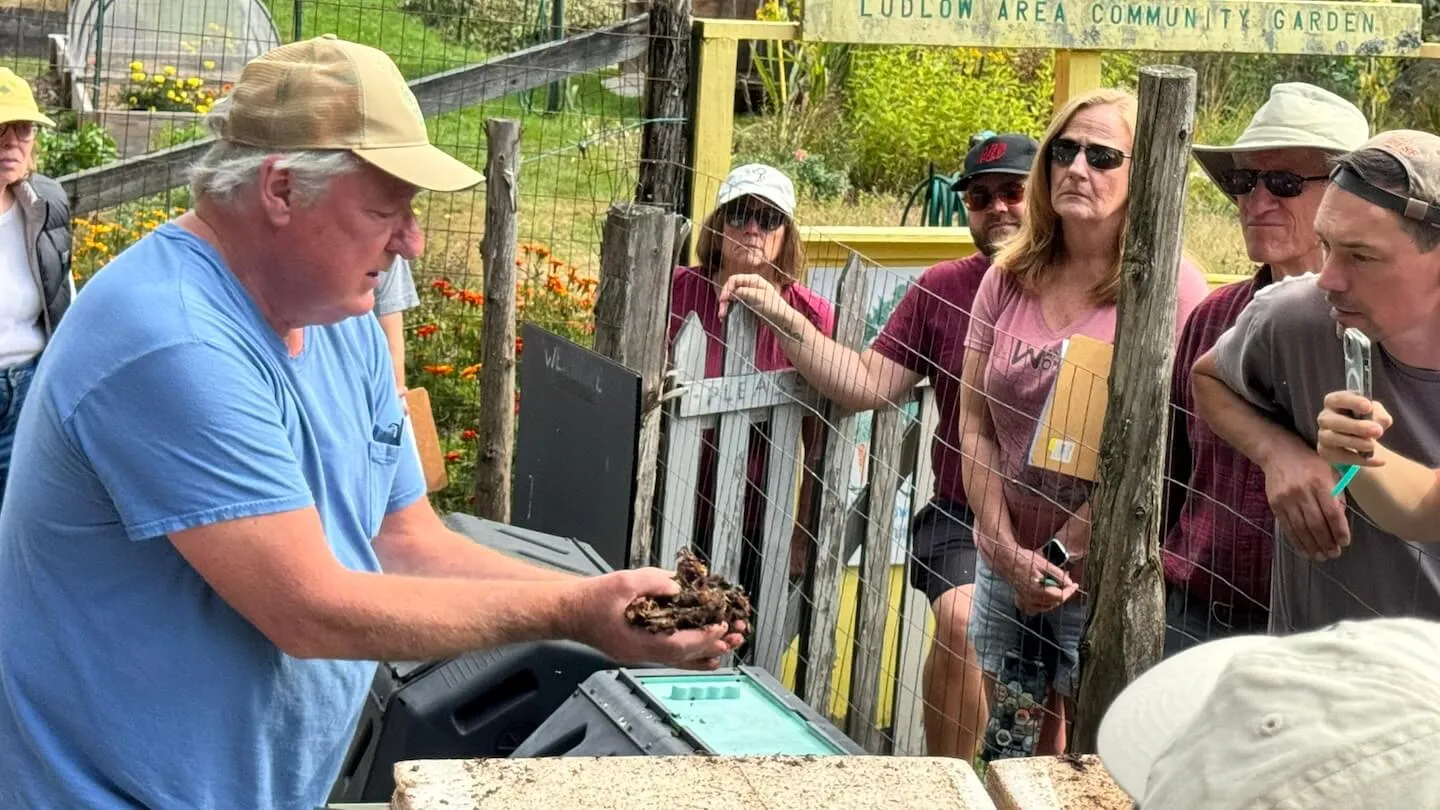
Contrary to common misconceptions, composting at home doesn’t have to be complicated, time-consuming, bad-smelling or pests-attracting. In fact, home composting can be as simple as an out-of-sight pile of yard waste behind the garden.
Compostable materials fall into two categories: “browns” (rich in carbon) and “greens” (typically, fresh or wet materials, rich in nitrogen). For example, greens include vegetable scraps, yard waste, coffee grounds, fresh leaves and grass clippings. Browns include dried leaves, straw, sawdust, bark, pet hair, shredded paper (untreated, not shiny), and cardboard.
Avoid adding oils, dairy, meat, fish, or bones to your compost. They can slow down the process and may attract pests. Never compost dog or cat waste. Since most compost piles don’t get hot enough to kill seeds or pathogens, avoid adding diseased plants or weeds that have gone to seed.
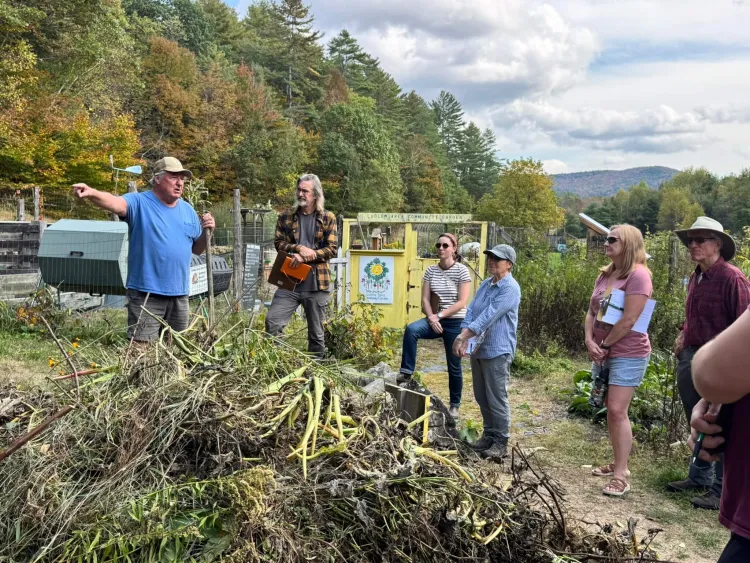
When building a compost pile, keep in mind the proper proportion of greens and browns. In general, aim for a ratio of one-part greens to two- or three-parts browns, by volume. A “part” can be a bucket, wheelbarrow, or any container. Just be sure to use the same container to measure greens and browns to keep the proportions right.
Composting requires both water and oxygen. A compost pile should be moist but not wet. If it dries out, decomposition can stop. During dry spells, a sprinkle of water from the hose can help. An overly wet pile can become anaerobic and smell bad. If this happens, turn the compost and add more browns.
The easiest way to compost is to make a pile of greens and browns and let it break down on its own. No turning or watering needed, just let the microorganisms do their work. Choose a location in your yard where it won’t be a visual nuisance. Gather yard waste to start your pile, keeping in mind the ratio of browns and greens needed to create an effective composting system. A larger pile will create more heat and be more efficient. While easy, this method may require more space and take more time to decompose, and it isn’t the most attractive option.
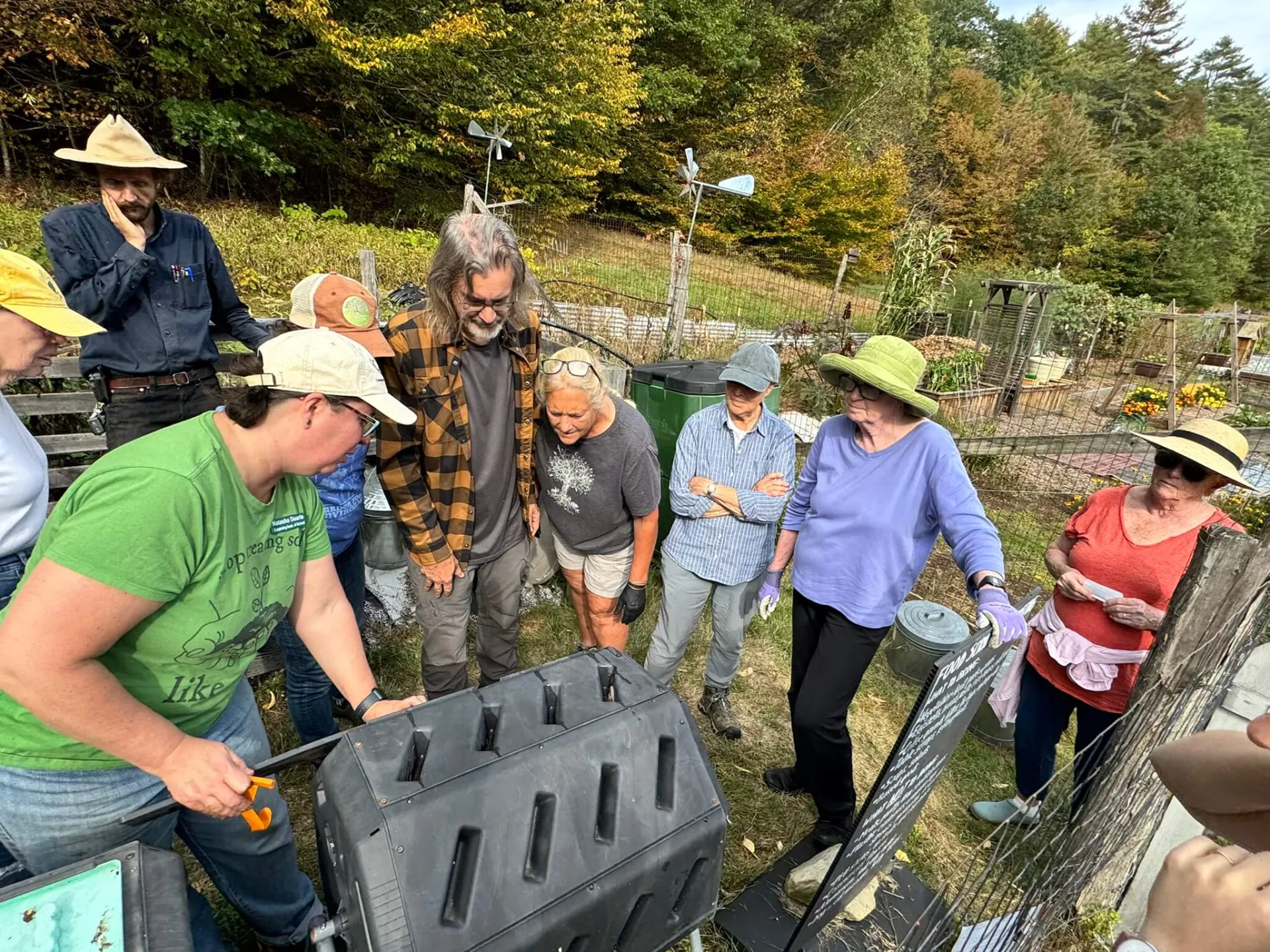
Compost bins offer structure and look neater. You might build (or purchase) multiple large bins to separate different stages of decomposition. For smaller yards, a single bin or a compost tumbler might be more suitable.
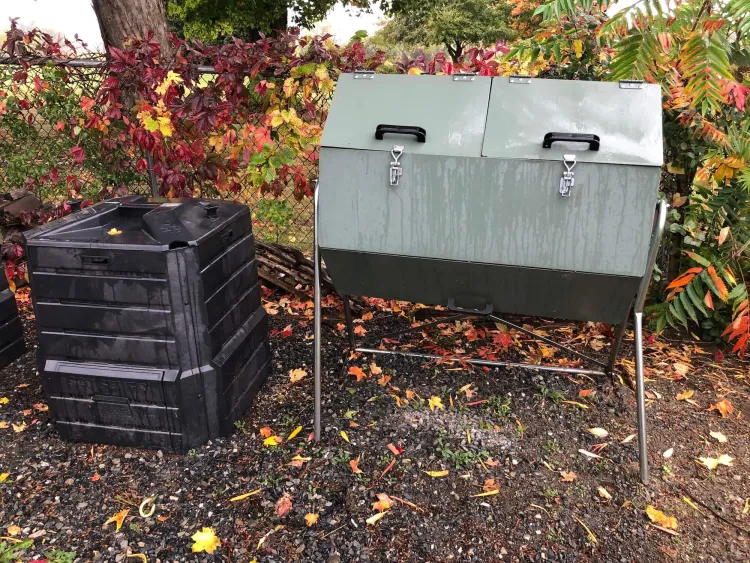
To get a good mix when adding material, alternate layers of browns and greens. Smaller pieces break down faster, so tear cardboard and cut up larger plant material. Keeping additions in the correct proportions, maintaining proper moisture levels, and periodically turning the contents to aerate the pile can help speed up the process.
See the Vermont Department of Environmental Conservation publication, “The Dirt on Compost," for more information on backyard composting.
If you primarily compost only food scraps, consider vermicomposting. That’s a fancy name for using red wiggler worms (Eisenia fetida) and an in-home bin where they’ll happily feed on your food scraps and provide worm castings. If this small-scale composting method sounds interesting, Oregon State University offers a guide for getting started.
Whether you compost in a pile, bins, or a container, composting is one of the best ways to supplement the soil in your garden.
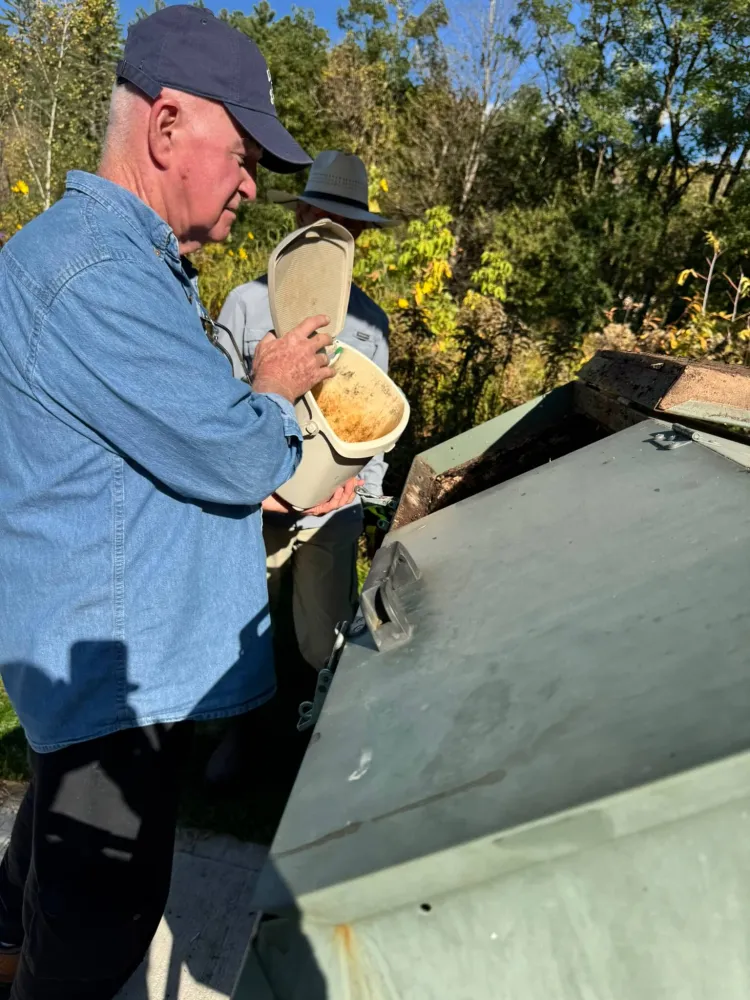
If you’d like to learn more about composting, consider taking the Vermont Composting Short Course and become a better composter. The course runs from Sept. 11 to Oct. 23, 2026 with meetings on Thursday evenings on Zoom and additional in-person workshops. Registration is open through Sept. 4.