Spring bulbs planted in the coming weeks will produce flowers this summer.
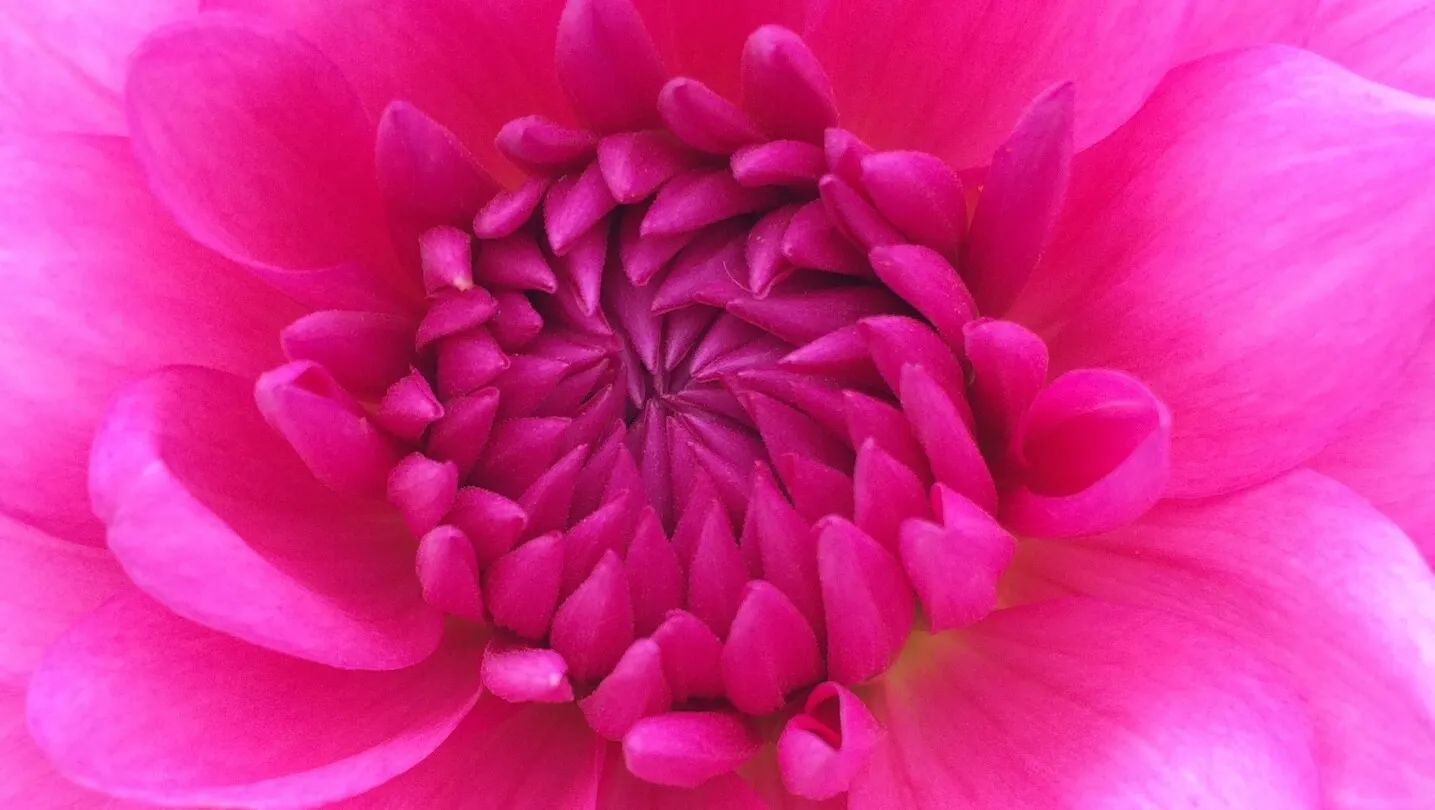
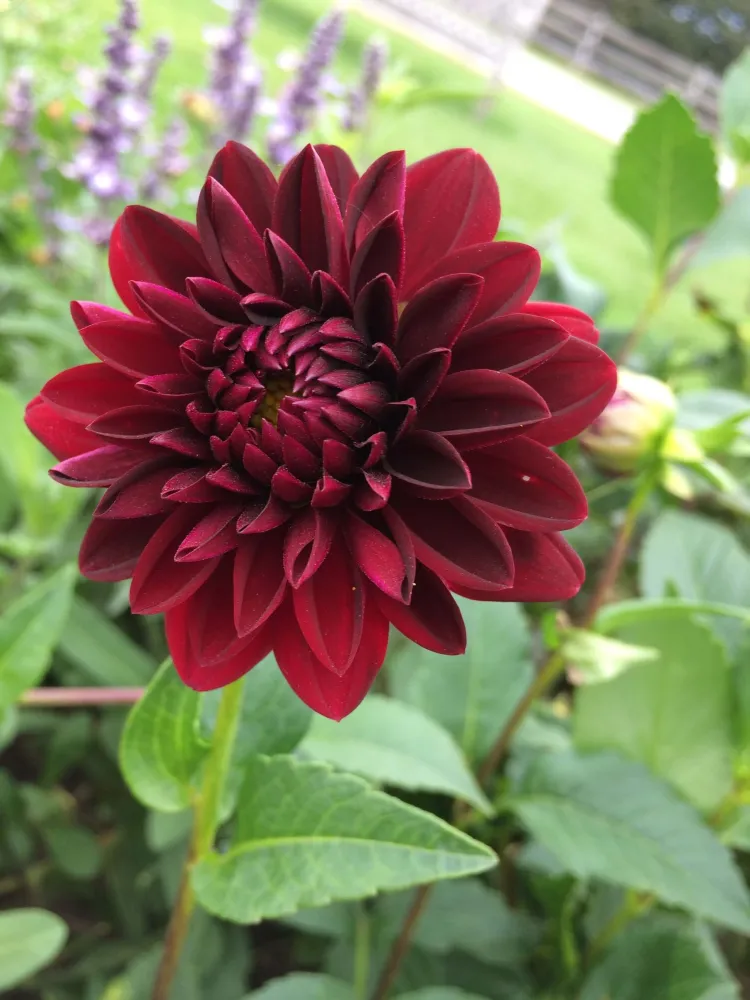
Bulbs are easy to obtain, easy to plant, and offer a wide variety of options. Consider such familiar choices as gladioli (Gladiolus), begonias (Begonia), and dahlias (Dahlia), or opt for something a little different like peacock orchids (Gladiolus murielae), rain lilies (Zephyranthes), or tiger flowers (Tigridia pavonia).
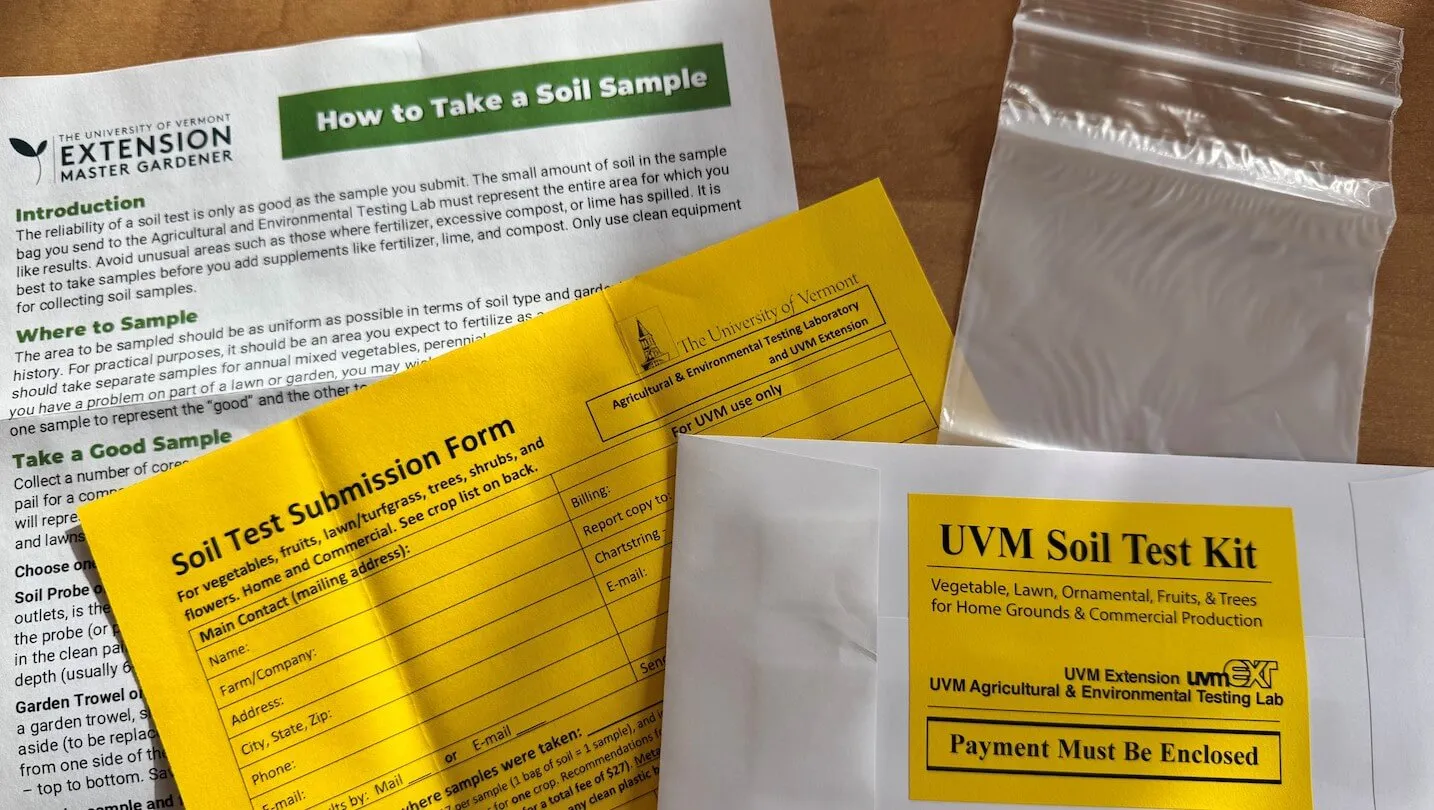
Whatever you decide to plant, first consider getting a soil test. It’s easy and inexpensive. The results can provide information on your soil type, available nutrients, and make recommendations for soil amendments and fertilizers. Check https://go.uvm.edu/soiltest for more information on obtaining a soil test.
Plant summer blooming bulbs in mid-spring when the soil has warmed to around 55°F. Select a location with appropriate light and soil that drains well. Check for specific planting instructions on the bulbs’ packet.
If you’re planting a large number of bulbs, it’s more efficient to dig a hole or trench to the needed depth and add bulbs (pointed end up). Cover with soil and water well.
Install plant supports at the time of planting or soon after growth has emerged for any flowers that tend to be top heavy.
If your yard is host to squirrels, chipmunks or other wildlife that might dine on or relocate the bulbs you plant, consider ways to deter them. The scent of bulbs or even the disturbed soil can attract squirrels. A layer of mulch may help disguise the scent (and can help keep soil moisture and temperature more even). Another alternative is to camouflage bulbs by planting near or among spring blooming bulbs that squirrels find less attractive, such as daffodils. For smaller plantings, a wire cloche placed over the area can be useful. The easiest alternative may be to plant bulbs that wildlife will likely find unappetizing, such as allium (Allium).
Bulb baskets and cages are available commercially and can help prevent nibblers from gaining access to bulbs. You can also construct your own custom-sized protection using woven wire such as chicken wire or hardware cloth. Simply plant bulbs as usual, covering them with soil, then lay a piece of woven wire larger than the planting area over them and finish covering with soil. This can help stop squirrels and the like from digging out bulbs from above. For more security, form a box of woven wire, plant the bulbs inside, and secure another piece as a lid, enclosing the bulbs on all sides. As long as the space between the wire is large enough to accommodate emerging leaves and stems, the bulbs will not be obstructed by the woven wire.
After planting, water as needed but be sure the soil isn’t overly wet. Too much water can result in rotted bulbs.
Throughout the season, deadhead faded flowers but wait to trim foliage until it turns yellow and dies back naturally, allowing energy and nutrients to be stored in the bulb for next season.
Some tender perennials, such as canna lilies and dahlias, don’t overwinter well in our area. In the fall, dig them up before the ground freezes. Discard any that are damaged or diseased. Clean and allow to dry. Store in peat or paper bags in a dark, cool (not freezing) location until the following spring when they can be planted again.
The University of Vermont Extension Master Gardener Helpline is available at https://go.uvm.edu/gardenhelpline to answer your home gardening questions.