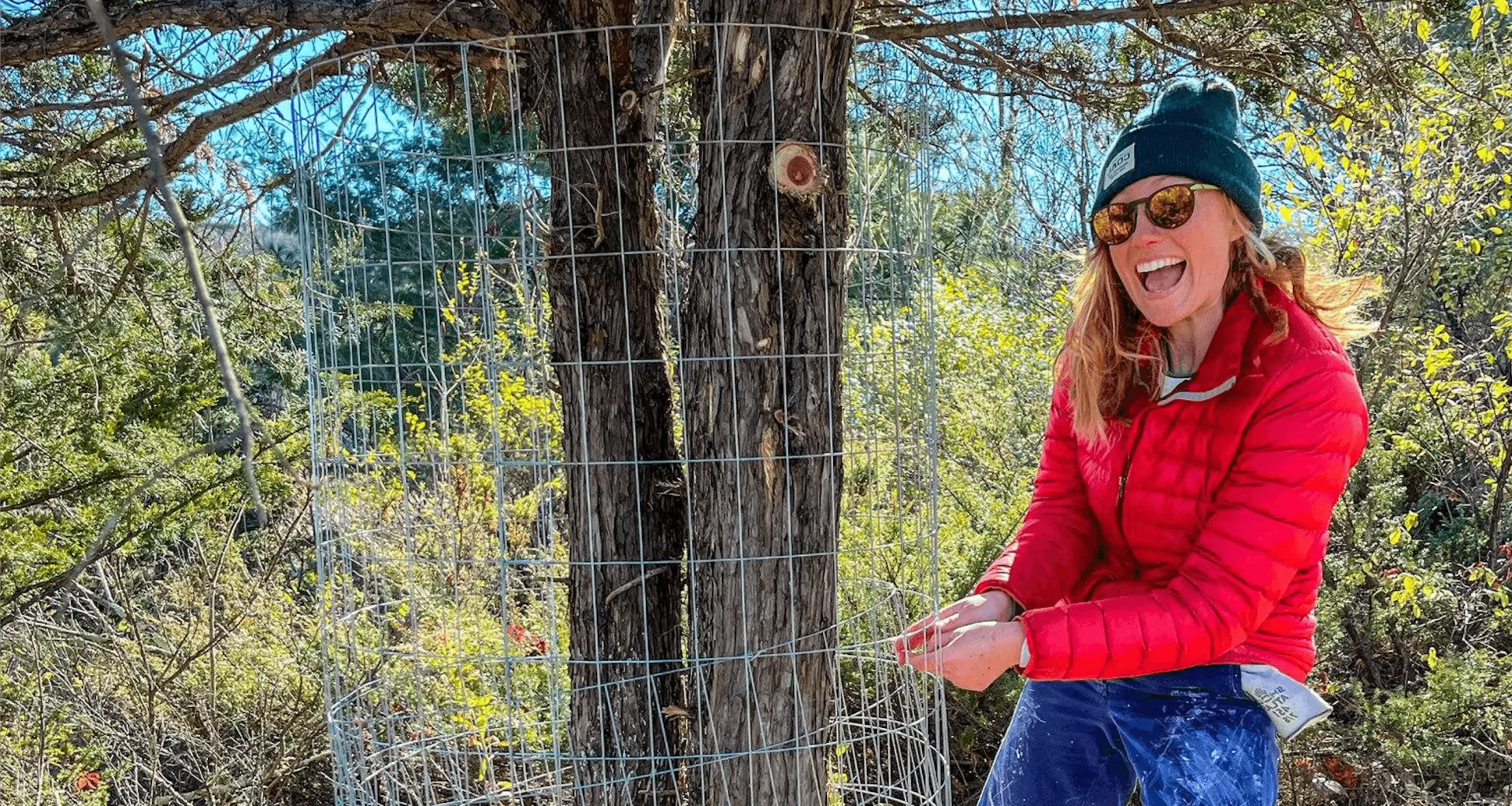
Bettolo, a master’s student studying plant and soil science in UVM’s College of Agriculture and Life Sciences, is being recognized for her innovative work examining how agricultural systems can adapt to increasing climate pressures while protecting Vermont’s waterways.
Originally from Virginia, Bettolo’s passion for food and science has roots in a dynamic family background she explains, “My dad is Italian and an incredible cook, so sharing food was the center of everything, and my mother’s career in news influenced my desire to ask questions and share knowledge.”
Bettolo began her academic journey studying chemical engineering at the University of Virginia, followed by 8 years in industry conducting research for food and apparel companies, before shifting her focus to soil science and agriculture. Her decision to attend UVM was driven by both personal and academic factors.

“After moving to New England, I became really attached to the region,” she said.
“When I chose to pivot into agriculture, I wanted a land-grant university where productivity and environmental stewardship were equally valued. UVM stood out because of its commitment to environmental work across disciplines. I found that UVM's Department of Agriculture, Landscape, and Environment, especially the Soil and Water Lab, fit the bill.”
At the center of Bettolo’s research are several interconnected challenges facing Vermont and the Northeast: how to feed a growing population with finite land and resources while reducing environmental impacts and adapting to a changing climate. Her work explores how shifting portions of agricultural production from feed crops to plant-based protein crops, such as dry beans and soybeans, could influence water quality and greenhouse gas emissions.
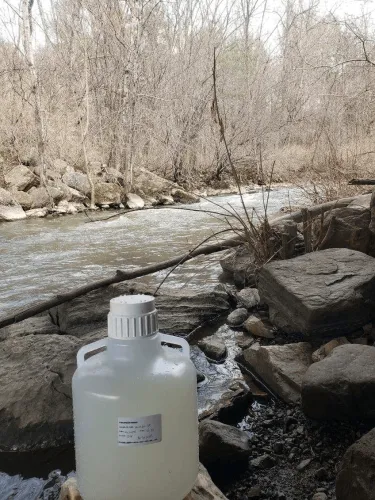
Using a watershed-scale model of the Little Otter Creek in Addison County, Bettolo evaluates how different crop system scenarios play out across a range of real-world conditions, including soil types, slopes, and more than a decade of weather patterns. This approach allows her to assess tradeoffs that would be difficult to measure through field experiments alone.
“For example, reducing dairy production may decrease phosphorus runoff from manure, but it could also increase reliance on imported nutrients,” she explained. “Similarly, organic dry bean production might reduce synthetic inputs but could increase tillage and erosion risk. The goal is to understand these tradeoffs and provide useful insights for decision-making. We are looking for a balance between plant-based and animal-based protein production that minimizes environmental harm.”
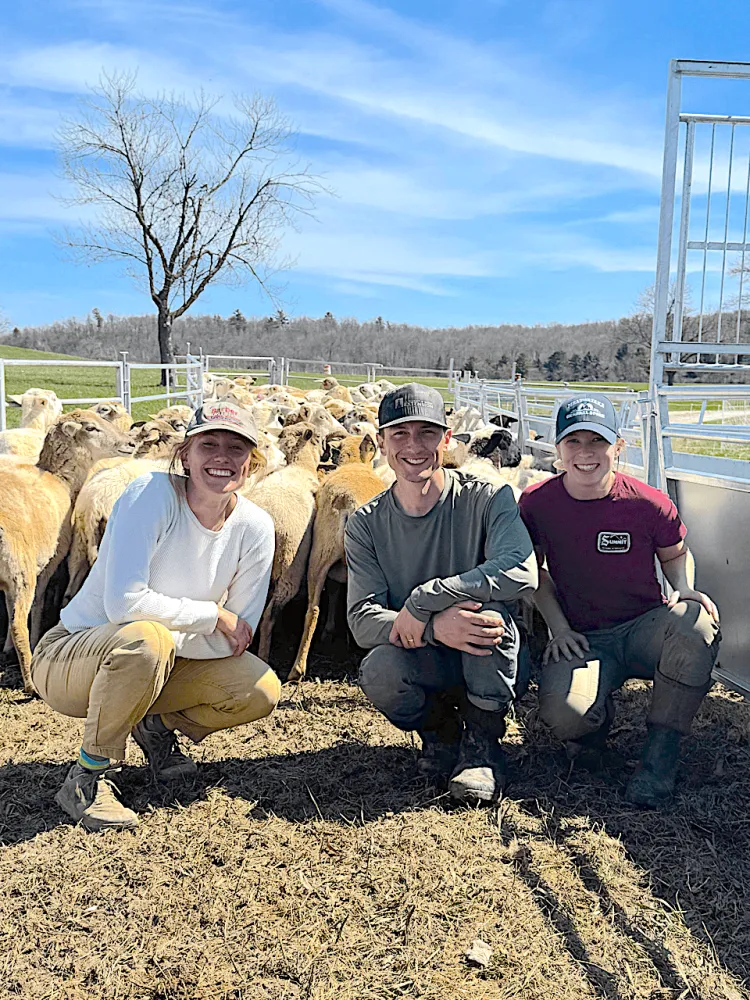
Her work contributes to a broader, multidisciplinary effort to strengthen the region’s food system. In addition to environmental impacts, the project assesses market demand, infrastructure needs, and economic and agronomic feasibility for farmers considering transitions
“While models have limitations and cannot fully capture the complexity of real-world systems, they are valuable tools for providing directional insights, identifying tradeoffs, and helping prioritize future field research. I hope this work can contribute additional tools and information to support farmers, researchers, and food system stakeholders as they adapt to changing climatic and economic conditions.”
Bettolo credits her mentors and collaborators at UVM for shaping her success. Her advisor, Associate Professor Joshua Faulkner, has played a central role in guiding her research in soil and water science. She also notes the influence of faculty members Heather Darby, Arne Bomblies, and Gillian Galford, as well as her fellow graduate students and lab mates.
“I feel incredibly lucky to be part of this community,” she said. “The dedication to considering both environmental and social impacts is really embedded in the culture here.”
In addition to academic mentorship, Bettolo says Vermont’s farming community has been one of her greatest teachers.
“Being surrounded by farmers, organizers, and community members has been an invaluable learning experience,” she said. “UVM has given me access to a unique network of people who care deeply about building a resilient food system, particularly through organizations such as Rural Vermont and People's Farmstand.”
Despite receiving this powerful recognition for her work, Bettolo feels humbled by her receipt of this award, “I’m surrounded by amazing scientists, and there are many people who deserve this recognition. I wouldn't be able to do this work without the support of my peers and lab mates, Molly Ratliff, Marie English, Amasha Withana, Reese Qualls, Claire Benning, Berdakh Utemoratov, Ben Tutko, Delaney Bullock, Andrew Gerlicz, Bailey Kretzler, Hannah Gokaslan, Maddie Winer, Noah Olson, Alex Kissonergis, just to name a few!”
She also offers advice to incoming students: “What you’re doing is hard, especially if it hasn’t been done before. Know when to ask for help, and build a community around you to laugh and to take on adventures and projects outside of school. And my advice to anyone is... dance!”
She also offers advice to incoming students: “What you’re doing is hard, especially if it hasn’t been done before. Know when to ask for help, and build a community around you to laugh and to take on adventures and projects outside of school. And my advice to anyone is always... dance!”
Looking ahead, Bettolo hopes to continue working at the intersection of agriculture, water, and climate change, ideally in a role that keeps her close to the communities she serves.
“I want to continue to work locally. I would like to support farmers in increasing resilience in the face of climate change, specifically around water, whether it is too much water, too little, or helping to improve downstream impacts. I’m excited to see what shape that takes.”
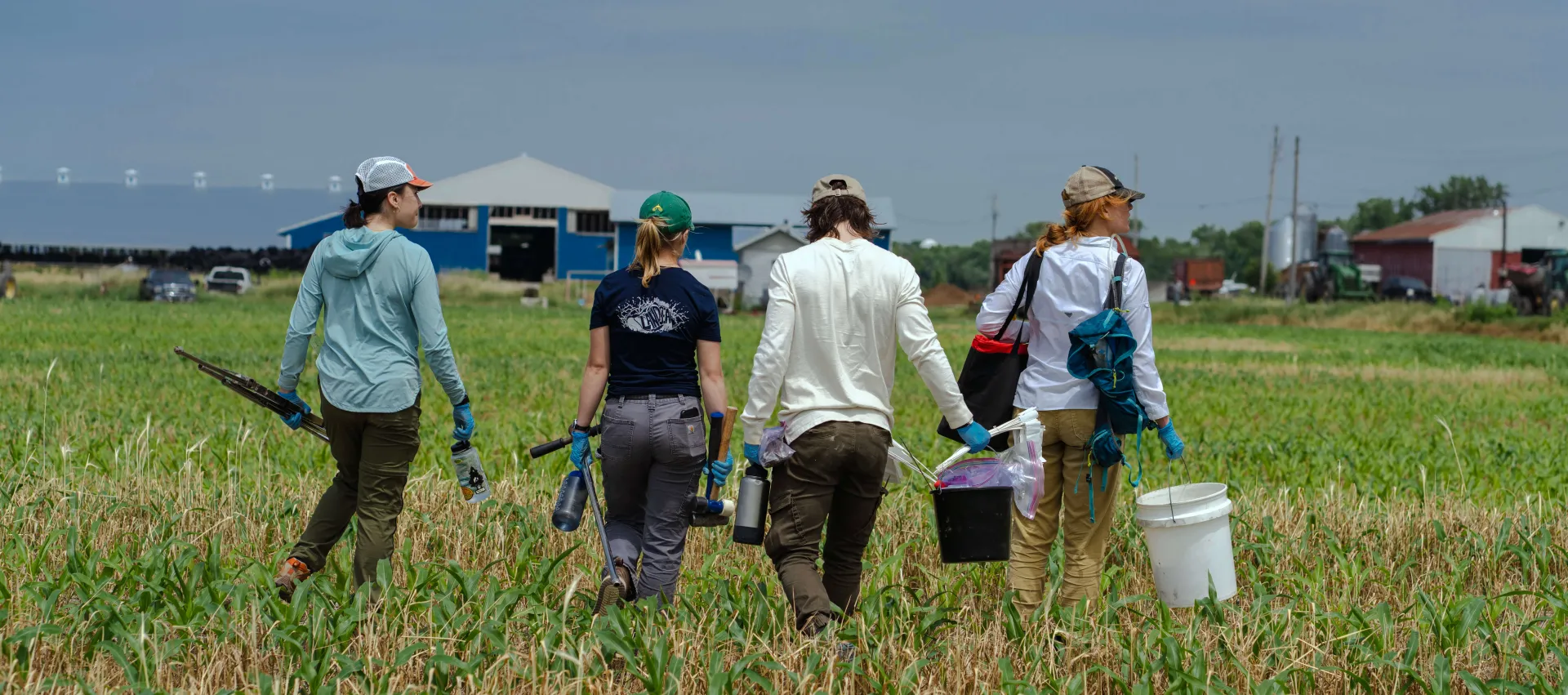
The CALS Graduate Research Excellence Award recognizes graduate students (one master's student and one doctoral student) who excel in research and scholarly accomplishments. These may include laboratory and field research and analysis, journal article publication, paper/poster/abstract presentations at conferences, thesis and dissertation research, and grant funding. Dr. Ihsan Shawki Akili was the 2026 CALS Graduate Research Excellence Award recipient in the doctoral category. Learn about his work below.