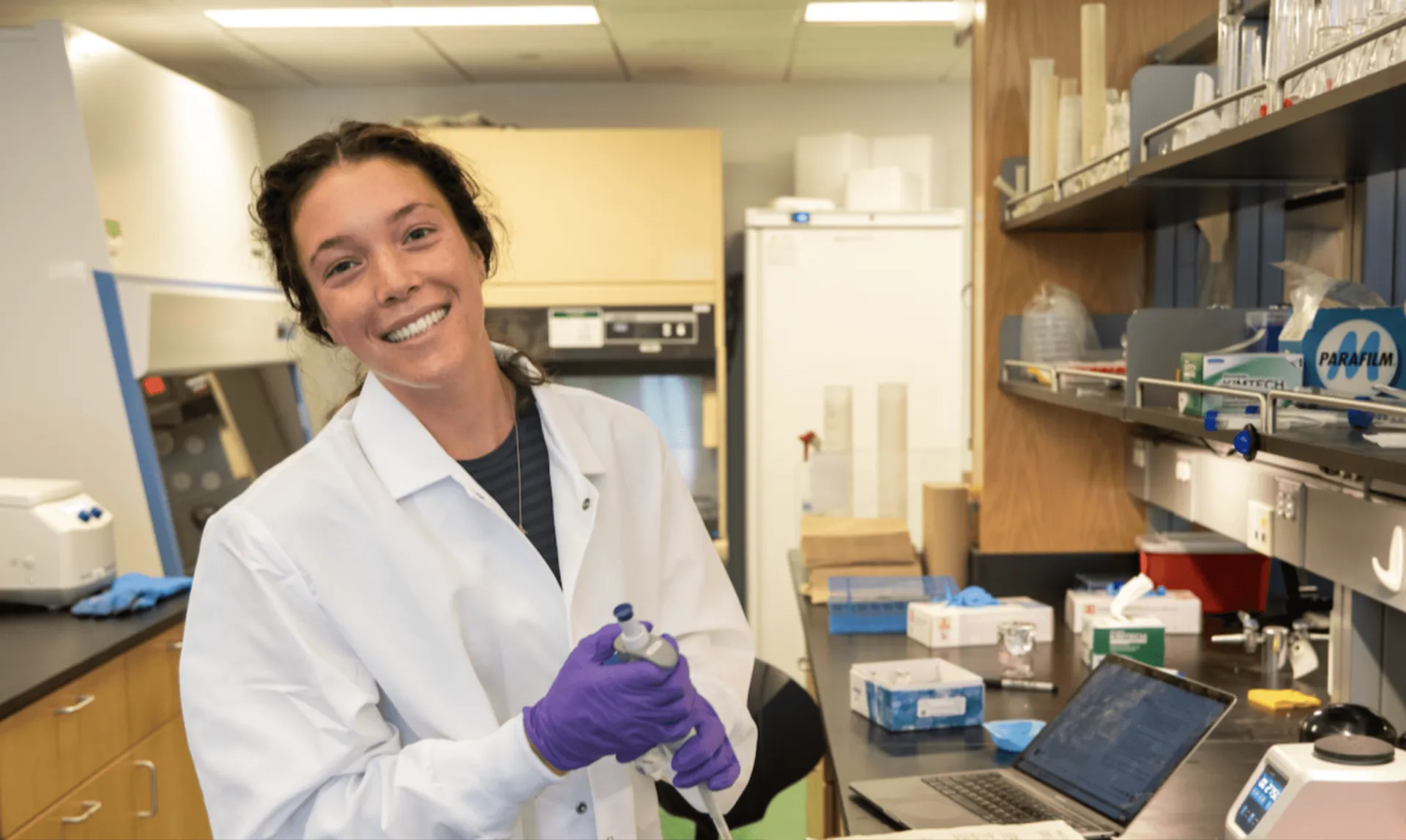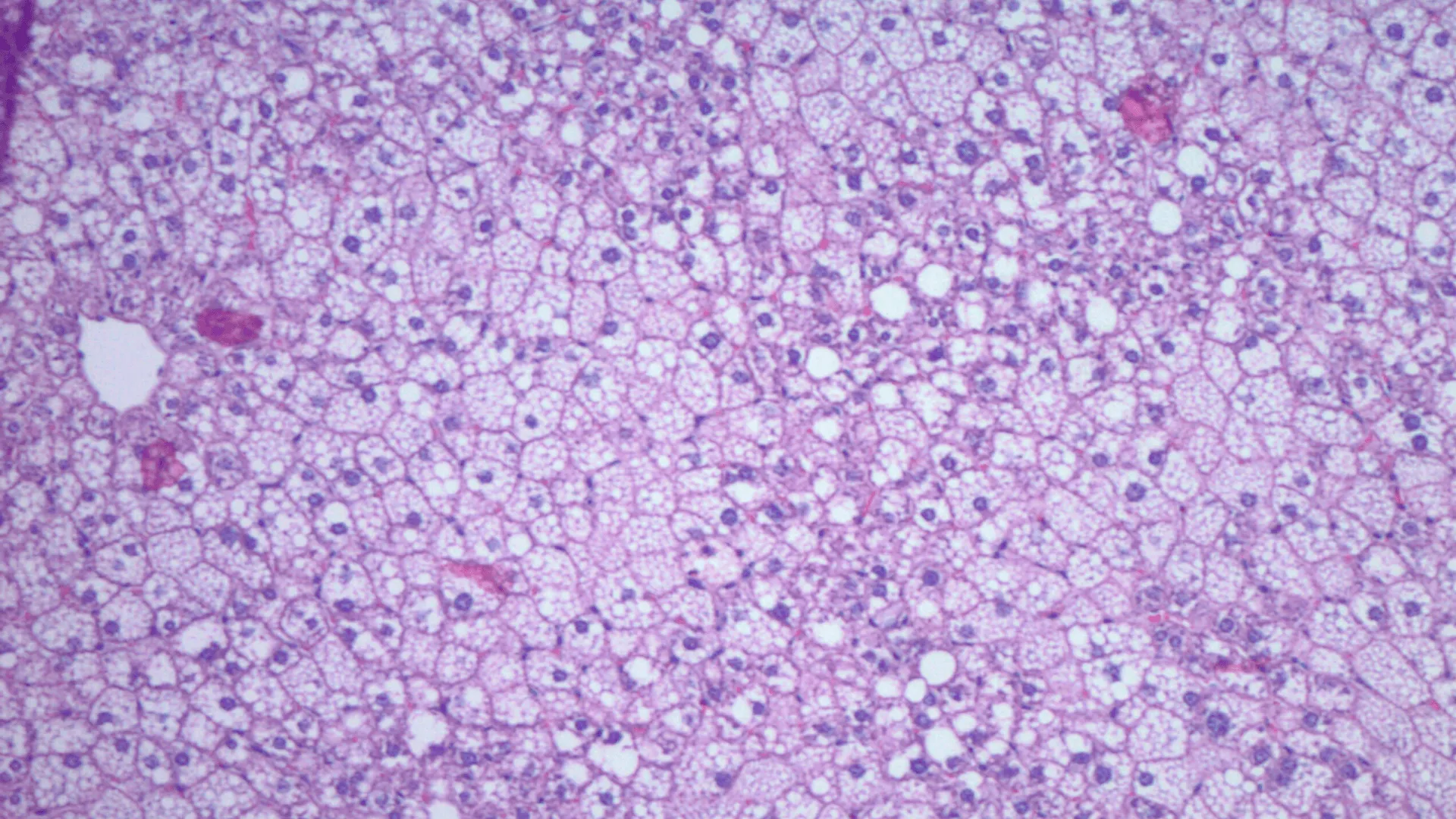
In his work as a medical doctor, Dr. Ihsan Shawki Akili saw numerous patients with fatty liver disease, a disorder that affects roughly one in three people in the U.S., often without symptoms until it reaches advanced, irreversible cirrhotic stage. Now a PhD candidate in the departments of Nutrition and Food Sciences and Animal Biosciences at UVM, Akili is working with his advisor Dr. Chris Skinner to better understand the role of diet and alcohol consumption on the onset and progression of this condition.
Fatty liver disease in its early stages has no FDA-approved treatment. “It’s a food system problem that should be tackled through both a biomedical lens and a food systems approach to better understand the underlying causes and develop more effective interventions.” Akili said. Their research uses a translational mouse model designed to reflect typical Western eating patterns - a diet high in saturated fats and simple sugars, low in fiber, and combined with episodic binge drinking. The findings show rapid progression of liver damage as early as twelve weeks from steatosis to steatohepatitis, particularly in males, mirroring trends seen in human studies.
Recently, Akili was awarded the Graduate Research Excellence Award for this research and scholarly accomplishments in the College of Agriculture and Life Sciences.
As a Food Systems Research Institute PhD Fellow, Akili approaches Fatty liver disease not only as a medical issue, but also as a systems-level challenge. According to Akili, “the widespread availability of all of these highly processed foods has contributed to this problem,” fueling a disease that often goes unnoticed until significant liver damage has occurred. Some individuals remain in a mild, asymptomatic stage for years, while others develop liver inflammation, fibrosis, and potentially cirrhosis. Scientists still don’t totally know why that progression varies so much between different individuals.
The research also examines how specific dietary components, including the composition and sources of fatty acids common in modern diets, may contribute to hepatic inflammation. Sex differences are another key area of investigation, as both animal and human data suggest that metabolic-associated fatty liver disease may progress more rapidly in men, despite women being more susceptible to alcohol-related liver injury.
With no clear pharmaceutical solution, Akili believes prevention must come through food systems change by improving access to minimally processed foods, increasing public awareness, and reducing reliance on high-sugar, highly processed products.
“If we can shed light on why this is happening,” he said, “we can also find solutions through the food systems approach.”
About the Food Systems Research Institute:
The Food Systems Research Institute (FSRI) at the University of Vermont (UVM) funds collaborative research that puts people and the planet first, unites disciplines and communities, and answers complex questions about food systems.
The FSRI gives researchers the freedom, resources, and time to engage community stakeholders, including decision-makers, farmers, and food systems actors, about issues and opportunities across our food system. This results in relevant, widely disseminated research that informs policies, practices, and programs locally and regionally for a more resilient and accessible food future for all.