COMU1010: Healthy Brains, Healthy Bodies
COMU1010: Healthy Brains, Healthy Bodies (HBHB) blends neuroscience and behavior change science to help you understand how your daily choices impact your wellbeing, relationships, and academic success. Through hands-on “mini-experiments,” mindfulness practices, and shared experiences, you’ll learn to apply what you study—building habits that support not just your time at UVM, but your health and resilience long after graduation.


Course Philosophy
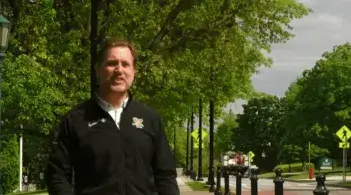
All health comes from emotional and behavioral health. In HBHB, we believe that everyone deserves to learn how to build a healthy brain. We start each class with a guided mindfulness activity, and weave in opportunities for students to build connections with classmates and professors. Students will put theory into practice through a series of personal mini-experiments to test hypothesis and learn how to make brain building changes in their lives.
Outcomes
- HBHB students report feeling less stressed and more in control.
- Students use behavior change science to build habits that improve sleep, focus, and mood.
- HBHB is intentionally structured to help students connect with peers going through the same transition.
- Learn strategies you'll use long after your first year that can help you well into your academic and professional career.
Questions?
All first time first year WE students are block scheduled into HBHB.
If you have any questions about HBHB, the Behavior Change Health Studies Minor, or the Wellness Environment, please reach out to Dr. Rettew. COMU1010 meets the UVM Catamount Core S1 Credit Requirement
HBHB Weekly Topics
Week 1 - Defining and Measuring Emotional Wellbeing
With Professors Copeland and Rettew
Week 2 - Transitional Aged Brain
Week 3 - Science of Science & Getting to Know Your Brain
- The Science of Science - with Professor Copeland
- Getting to Know Your Brain - with Professor Rettew
Week 4 - Intro to Your Genes & Intro to Stress
- Introduction to Your Genes - with Professor Copeland
- Introduction to Stress - with Professor Rettew
Week 5 - Sleep and the Brain
Week 6 - Exercise and the Brain & Music and the Brain
- Exercise and the Brain - with Dr. Art Kramer
- Music and the Brain - with Dr. Haley McGowan
Week 7 - Brain Hacks & Adversity
- Brain Hacks - with Professor Copeland
- Adversity and the Brain - with Professor Robert Althoff
Week 8 - Mindfulness and the Brain & The Gut Brain Connection
- Mindfulness and the Brain - with Professor Tor Wager
- The Gut Brain Connection - with Professor Rachel Plouffe
Week 9 - Social Connection
Social Connection and Brain Health - with Professor Rettew
Week 10 - Cannabis and the Brain & Sense of Place
Cannabis & the Brain - with Professor Alan Budney
Sense of Place and Belonging - with Professor Steven Schlozman
Week 11 - Romantic Relationships
- Romantic Relationships - with Professor Jeremiah Dickerson
- Systems of Wellness - with Professor Masha Ivanova
Week 12 - Health and Wellness & Substance Use
- Health & Wellness - with Professor Chris Danforth
- Substance Use - with Dr. Peter Jackson
Week 13 - Thanksgiving Break
Thanksgiving Break
Week 14 - Social Media & Benefits of Nature
- Social Media - with Professor Copeland
- Benefits of Nature - with Professor Christine Vatovec
Week 15 - Gratitude & the Science of Happiness
With Professors Copeland and Rettew
Program Leadership
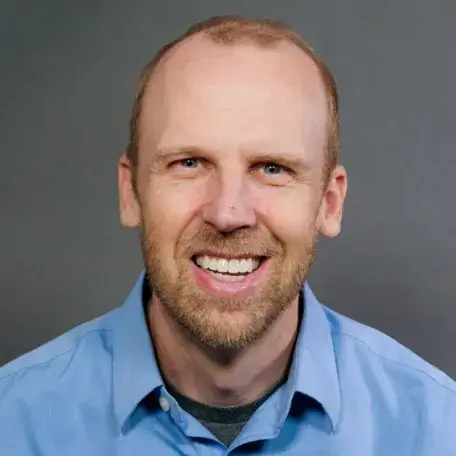
Professor, Psychiatry • Thomas M. Achenbach Chair, Developmental Psychopathology
william.copeland@med.uvm.edu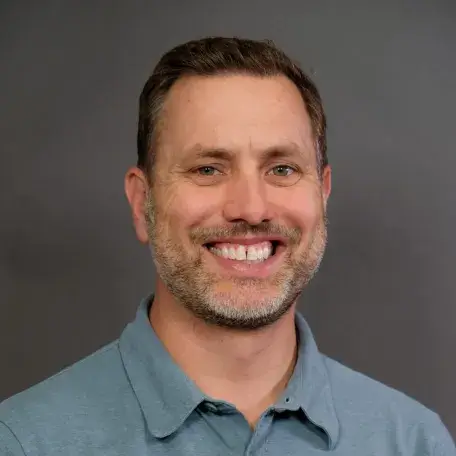
Assistant Professor • Faculty Associate, UVM Wellness Environment
jeffrey.rettew@med.uvm.edu