Roughly 3 million of the nation’s 15 million cancer survivors reside in rural areas, and experience 10% higher cancer mortality compared to their non-rural counterparts(1). In addition, rural patients face 2-3 times longer travel time(2) and limited access to specialty palliative care (3). Bringing cancer care to patients’ homes through synchronous videoconferencing or telehealth visits has the potential to overcome many barriers faced by rural communities, making care more accessible. However, it is unclear if the communication that occurs via telehealth holds the same quality standards as in-person visits and what factors make telehealth communication effective.
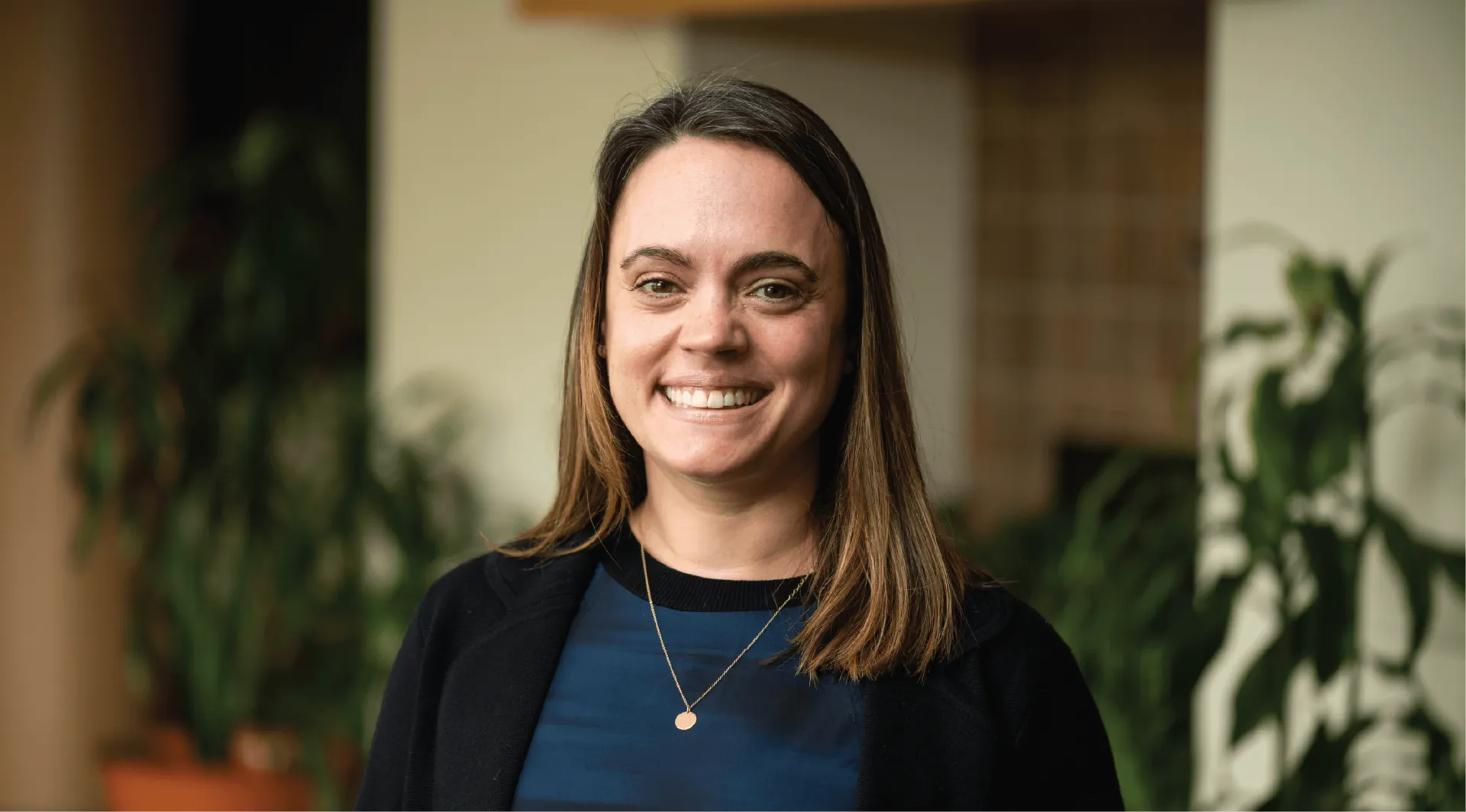
Through a new Clinician Scientist Development Grant from the American Cancer Society, principal investigator Elise Tarbi, PhD, AGPCNP-BC, and her team of mentors and advisors, Maija Reblin, PhD, Bob Gramling, MD, DSc, and Peter Callas, PhD, will address this critical knowledge gap. “To realize the promise of telehealth, there is an urgent need to understand the optimal communication strategies that support high-quality cancer care in this setting”, says Dr. Tarbi. “The overall goals of this project are to both identify key factors in high-quality telehealth communication and to ensure that telehealth communication meets the needs of rural cancer patients.”
The research will directly support the University of Vermont Cancer Center’s (UVMCC) extensive rural catchment area. The results of the study will be used to prepare clinicians for more meaningful telehealth conversations while simultaneously training the next generation of clinicians more effectively in how to hold important conversations through this practice-shifting, more accessible mode of care delivery.
The grant was made possible by UVMCC supported grant review, member collaborations, a pre-pilot project grant award, and two summer research fellowships.
Follow Dr. Elise Tarbi on LinkedIn to keep up with the project.
References
1 Blake, K. D., Moss, J. L., Gaysynsky, A., Srinivasan, S., & Croyle, R. T. (2017). Making the case for investment in rural cancer control: an analysis of rural cancer incidence, mortality, and funding trends. Cancer Epidemiology, Biomarkers & Prevention, 26(7), 992-997.
2 Segel, J. E., & Lengerich, E. J. (2020). Rural-urban differences in the association between individual, facility, and clinical characteristics and travel time for cancer treatment. BMC Public Health, 20(1), 196.
3 Freeman, J. Q., Scott, A. W., & Akhiwu, T. O. (2024). Rural–urban disparities and trends in utilization of palliative care services among US patients with metastatic breast cancer. The Journal of Rural Health, 40(4), 602-609.