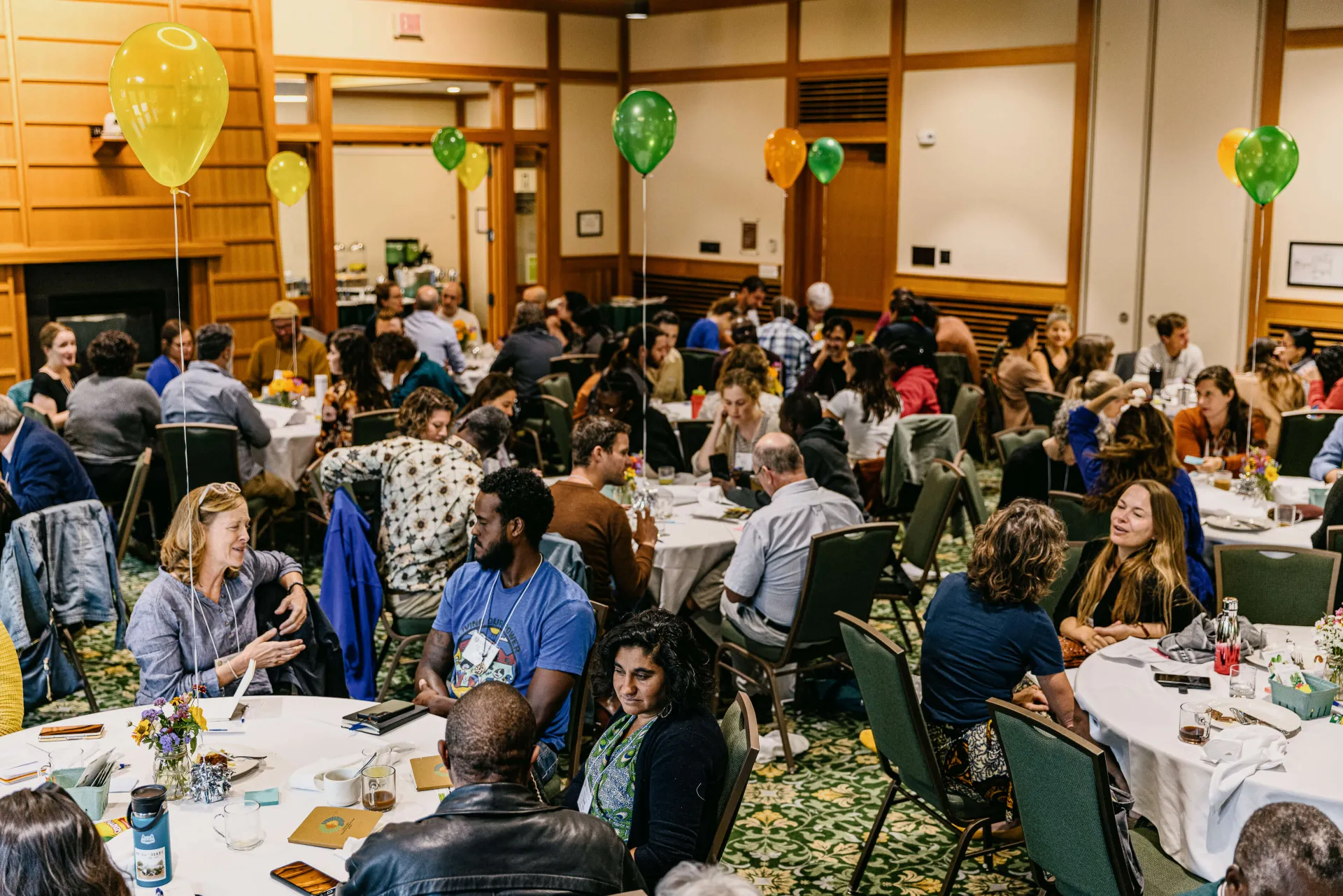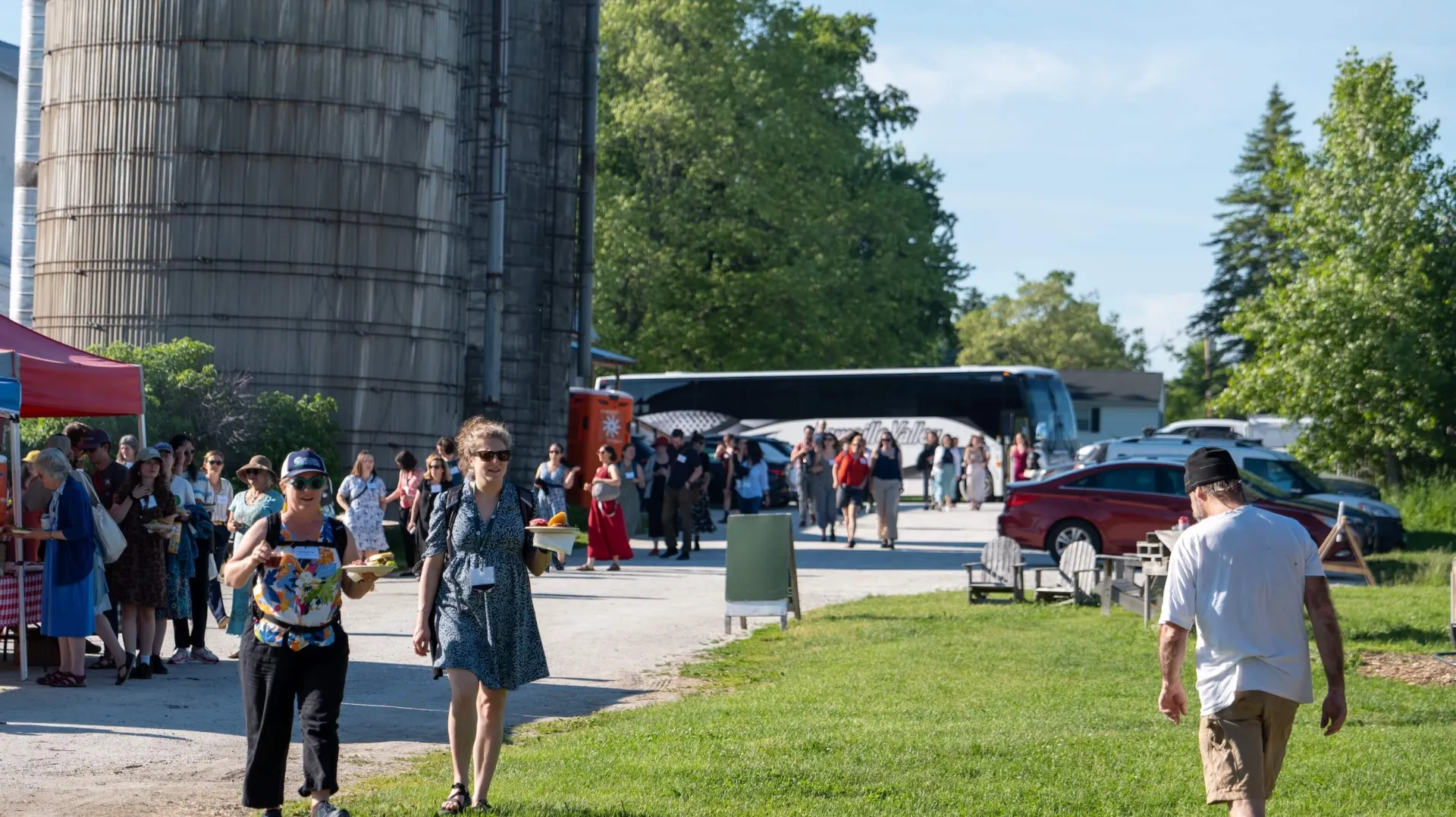
More than 600 people, some traveling from across the world, gathered at the University of Vermont this past June for the 2026 Agriculture, Food & Human Values Society (AFHVS) and Association for the Study of Food and Society (ASFS) conference. Titled “Just Transformations: Reimagining Sustainable Food Systems and Cultures,” the conference featured two themed tracks that anchored the week’s discussions around current research initiatives at UVM – agroecology and ecological economies.
Hundreds of paper sessions, lightning talks, roundtables, and creative sessions explored these two topics. Programming included everything from Caribbean culinary resilience with a live kitchen-demonstration (and tasting) of Trinidadian chow, to plant walks as methods for research, to agroforestry practices in the Northeast, food sovereignty in Puerto Rico and everything between.
“We applied to host the conference because we wanted to showcase the amazing food systems work being done at UVM and throughout Vermont and we believe that the way UVM brings together agroecology, ecological economics, and transdisciplinary approaches within a systems-thinking framework is unique.” says David Conner, professor in the Department of Community Development and Applied Economics at UVM and one of the organizers. “It is also a way to feature the amazing farms, food hubs, nonprofits and other community partners we regularly work with.”
UVM is a global leader in food systems education, research, and collaboration. For years, colleges, institutes, and other entities working on food systems have been developing solutions to global food systems challenges through world-class transdisciplinary research, teaching, and outreach dedicated to improving economic, ecological, and human wellbeing. The Food Systems Research Institute, College of Agriculture and Life Sciences, Leahy Institute for Rural Partnerships, Gund Institute for the Environment, and the Institute for Agroecology at UVM, in particular, sponsored the conference and had colleagues and staff participating and presenting.
“The vibrant attention to agroecology and ecological economics now evident at UVM was invigorating, and the work of the Institute for Agroecology provided fertile opportunities for participants to strengthen their community pedagogy practices and nourish their networks,” says Valentine Cadieux, professor of environmental and climate studies at Hamline University and is part of the executive committee of Agriculture, Food, and Human Values Society. “The ongoing regional conversations -- on everything from the legal toolkits for farmland access being stewarded at the Vermont Law School's Center for Agriculture and Food Systems, to the in-practice experimentation with these legal frameworks at Bread and Butter farm and other field trips, to the acorn and hickory agroforestry efforts stretching across the northeast forest, to the people's agroecology learning process organized through Rural Vermont -- were all a great feast for our minds and spirits that beautifully complemented the wonderful menu of paper and discussion sessions and delightful snack and meal infrastructure provided on campus.”
Over the three days, participants walked away with deeper relationships, new ideas, and concepts to think about and work on together.
“To engage more deeply with the researchers that are committed to being embedded in the community and being changed by their experience in the community, is a really really useful practice and tool which will help us move toward these just food systems” says Alison Cohen, director and general coordinator, National Right to Food Community of Practice.
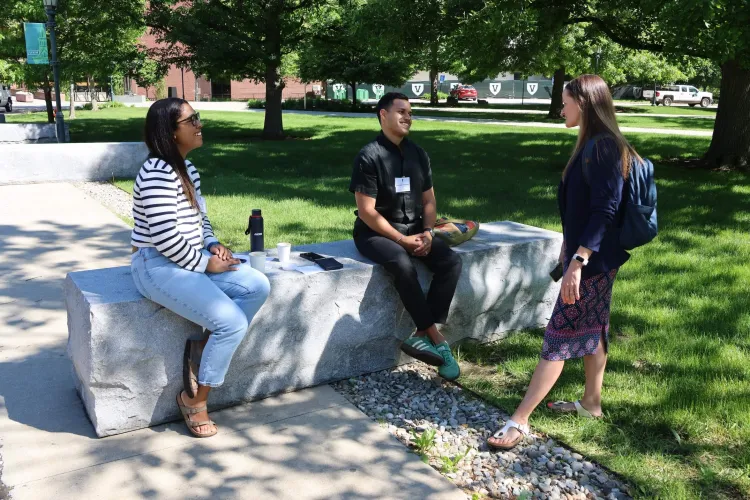
“It’s been really exciting learning and connecting with colleagues from all over the world,” says Emily Talkow, a master’s student in food system and Gund Graduate Fellow at the University of Vermont, about the conference. “Being able to come together and collaborate, especially in informal discussion after breakfast, random chats in line for coffee, I think that’s been the most powerful experience for me at the conference, and just realizing that even across differences, across state lines, country lines, we’re all here together talking about very similar things.”
For more information on UVMs food systems work, check out https://www.uvm.edu/cals/foodsystems and to hear more from the conference participants and their work, check out the video below - Just Transformations in Food Systems and Cultures 2026 at University of Vermont.