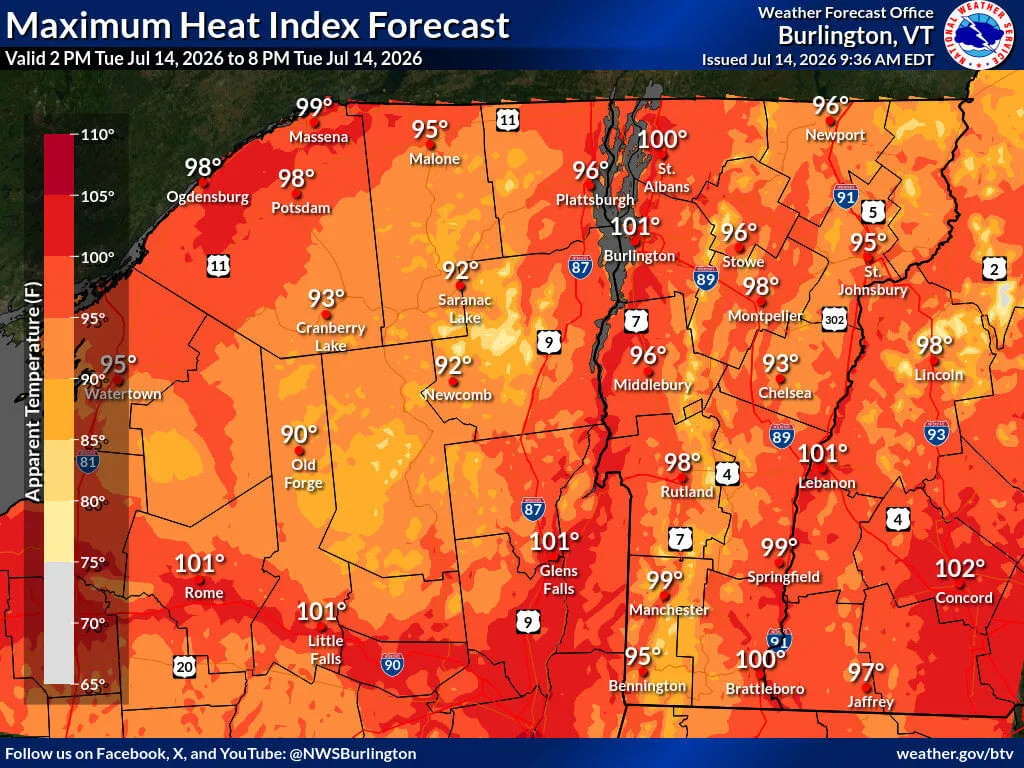
During days when the temperature is high enough to make both you and the plants in your garden wilt, the best thing you can do for yourself and for your garden is to do as little as possible. Plants under stress from the heat don’t need additional stress from pruning, transplanting, dividing, or fertilizing. Do necessary tasks like harvesting and watering during the cooler hours early in the morning or late in the day.
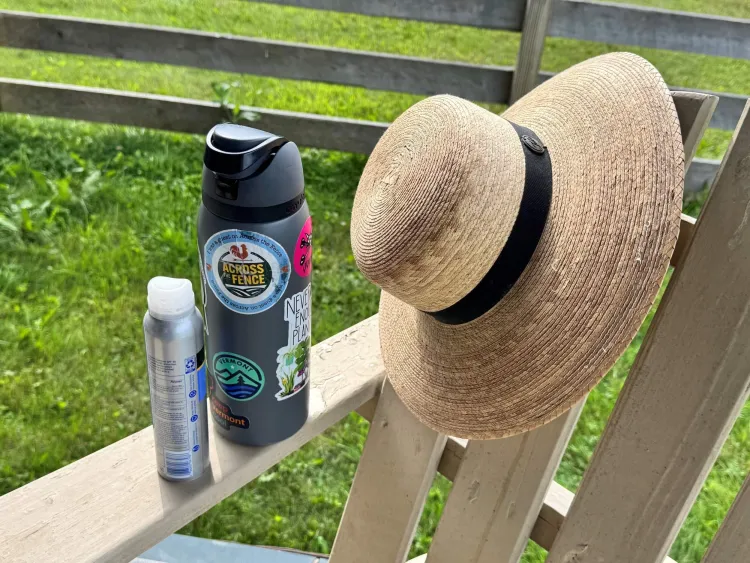
When temperatures skyrocket, remember to drink plenty of water, wear a hat, and don’t forget to apply sunscreen, even for brief ventures into the garden. Limit your time in the sun.
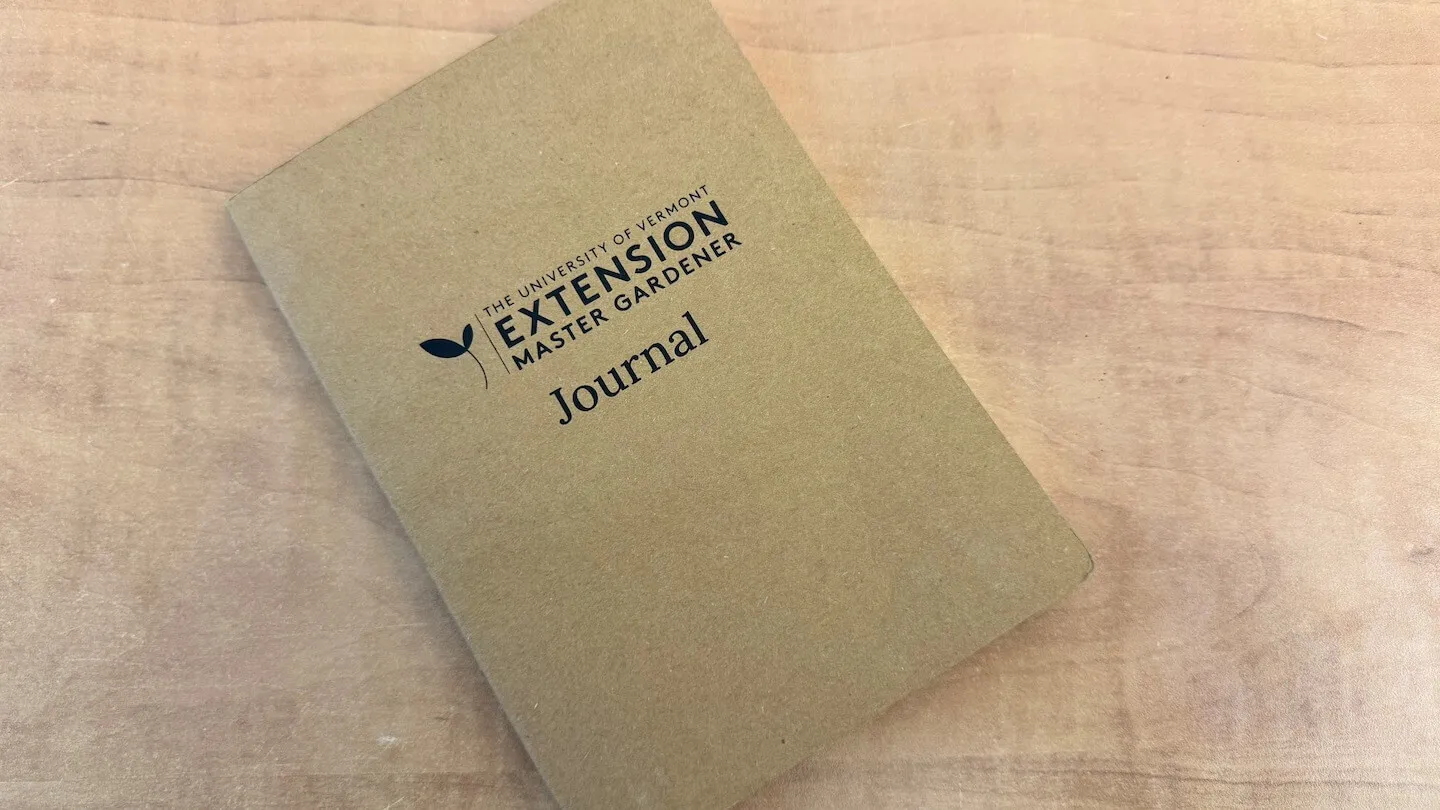
If you’re lucky enough to have shade trees in your yard, now’s the time to enjoy them. Early in the day, set up a place to sit if you don’t already have one. Bring along your garden journal and make notes you haven’t had time for. Sketching a map of your garden now can be invaluable this winter when you’re planning for next year.
It’s also a great time to read a gardening book or magazine as you sip a cool beverage. Bring along your laptop and research new techniques or plants you’re curious about.
Depending on the heat and humidity, that shady area can be a good place to do some repotting or start seeds for a fall garden. You could also clean or sharpen pruners and other garden tools.
If you don’t have any naturally-occurring shade, consider creating some. Put up a canopy or large umbrella early in the day. Plants suffering from heat stress may appreciate some relief, too. Add a shade cloth or spread an old white bed sheet above them. Move potted plants to a protected area such as a porch or into dappled shade.
If it’s just too hot to be outdoors, shade or not, consider offering your indoor plants a little TLC—something that may have been put off while tending to the outdoor garden. Grooming and repotting them can be just the thing to satisfy your need to garden but in a cool, less-strenuous way.
The one garden task you should do is make sure your plants are adequately watered. When temperatures are lower in early morning or late afternoon, give your garden a good drink. This is especially important during a stretch of hot, dry days when plants may be struggling. A good soaking that goes deep into the ground is more beneficial than frequent, light watering that remains near the surface and dries up more quickly.
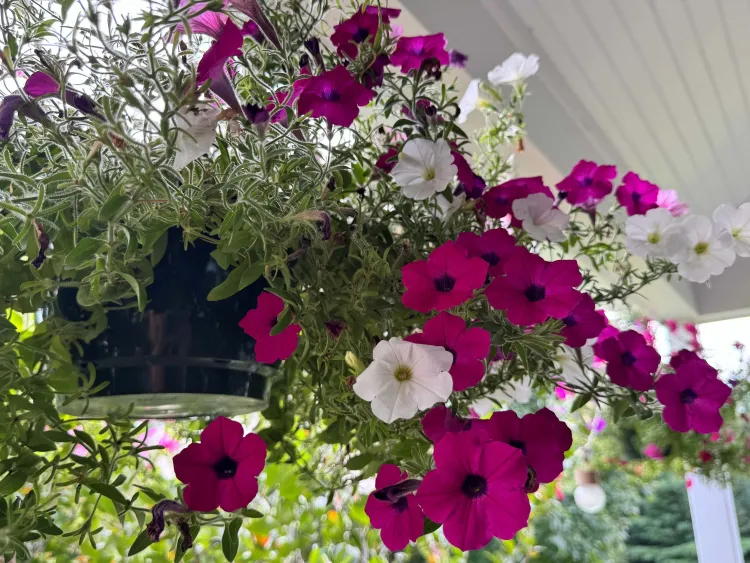
Monitor potted plants closely. After checking soil moisture, water well in the morning. Check again at the end of the day. They may need another drink. For pots that are quickly drying out or showing signs of heat stress, consider moving them to a more protected location such as on a porch or in the shade of a nearby tree.
Whatever your plans for coping with high temperatures, remember to limit your time in direct sun on days of extreme heat, stay indoors or find a shady spot, limit physical exertion, and keep hydrated. Stay healthy, and remember high temperatures are temporary. Time to work in the garden will return.
For gardening questions, contact the University of Vermont Extension Master Gardener Helpline online (go.uvm.edu/gardenhelpline) or by phone at 802-656-5421 on Thursdays between 9 a.m. and 12 p.m. from April to October.