So, the organizational collaborative Windham Aging has one big goal: to allow Vermonters to age well in Windham County.
To get to a point where, by 2040, older Vermonters in Windham County are self-determined, connected, and fulfilled, with supportive health systems, the collaborative has a strategic plan. It aligns with the state's Age Strong VT initiative through five areas of focus: health, wellness, transportation, health care workforce, and housing.
Overseeing the 24 organizations and core team implementing the five parts of this strategic plan is Erin Wessel. She's the Community Health Program Coordinator (Aging Focus) at Brattleboro Memorial Hospital, and she's also Windham Aging's sole staffer.
"We're trying to come up with new ways of doing things that are not the same ways we've always done it," Wessel said. "Instead of collective impact, it's an approach of radical collaboration."
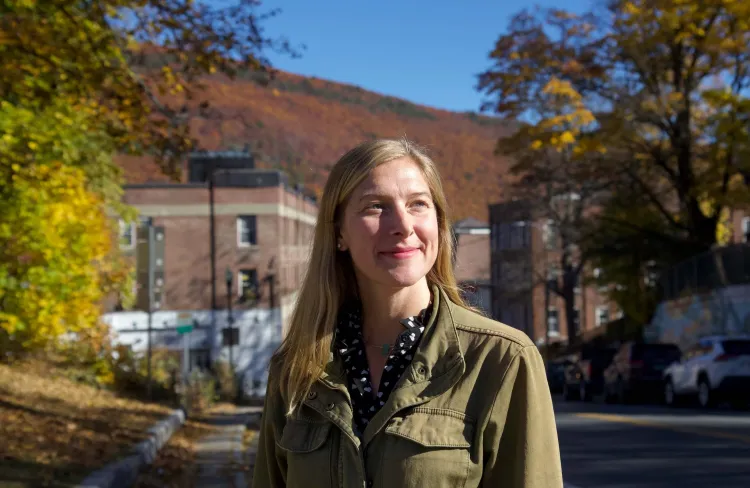
Radical collaboration is rooted in trust, transparency, curiosity, and joint problem-solving between people and organizations. All qualities, Wessel said, that she's experienced while working with University of Vermont Extension Assistant Professor and Human Geographer Mariya Shcheglovitova, through Extension's Housing Program.
Shcheglovitova is leading the housing focus area for Windham Aging. In the summer of 2025, she connected with the collaborative by showing up to a community meeting, and now she's supporting Windham Aging in determining action steps and how they might measure outcomes.
In particular, Shcheglovitova — who, prior to joining UVM, worked in the Office of Policy Development and Research at the U.S. Department of Housing and Urban Development — is helping Wessel understand what datasets might inform Windham Aging's work. From synthesizing existing data to working together to collect new data, and starting with an understanding of Windham Aging’s goals and needs, "we're working on figuring out what a good community research process looks like," Shcheglovitova said.
"I love data, because I love the story that it tells, but I also have a lot to learn and kind of the limitations that we have in small towns in Vermont," Wessel said. "There's not a lot of data for Windham County."
Ideally, she said, she'd love to be able see social determinants of health for people 60 and older on a street-by-street level, things like how many people live alone, what kind of housing they have, and the most common chronic health conditions. But, Wessel admitted, that "probably is not practical."
She added: "[Shcheglovitova] has been really helpful in walking me through what we can find, and what's reasonable."
For instance, Shcheglovitova helped Windham Aging identify data that showed the age of local housing stock, and how much might need to be retrofitted in order for older people to age in place.
"That data is going to help inform the work that we then follow through on," Wessel said. "A lot of people want to live where they are."
Shcheglovitova is generally encouraging Windham Aging to shape its work around research questions first, then datasets second.
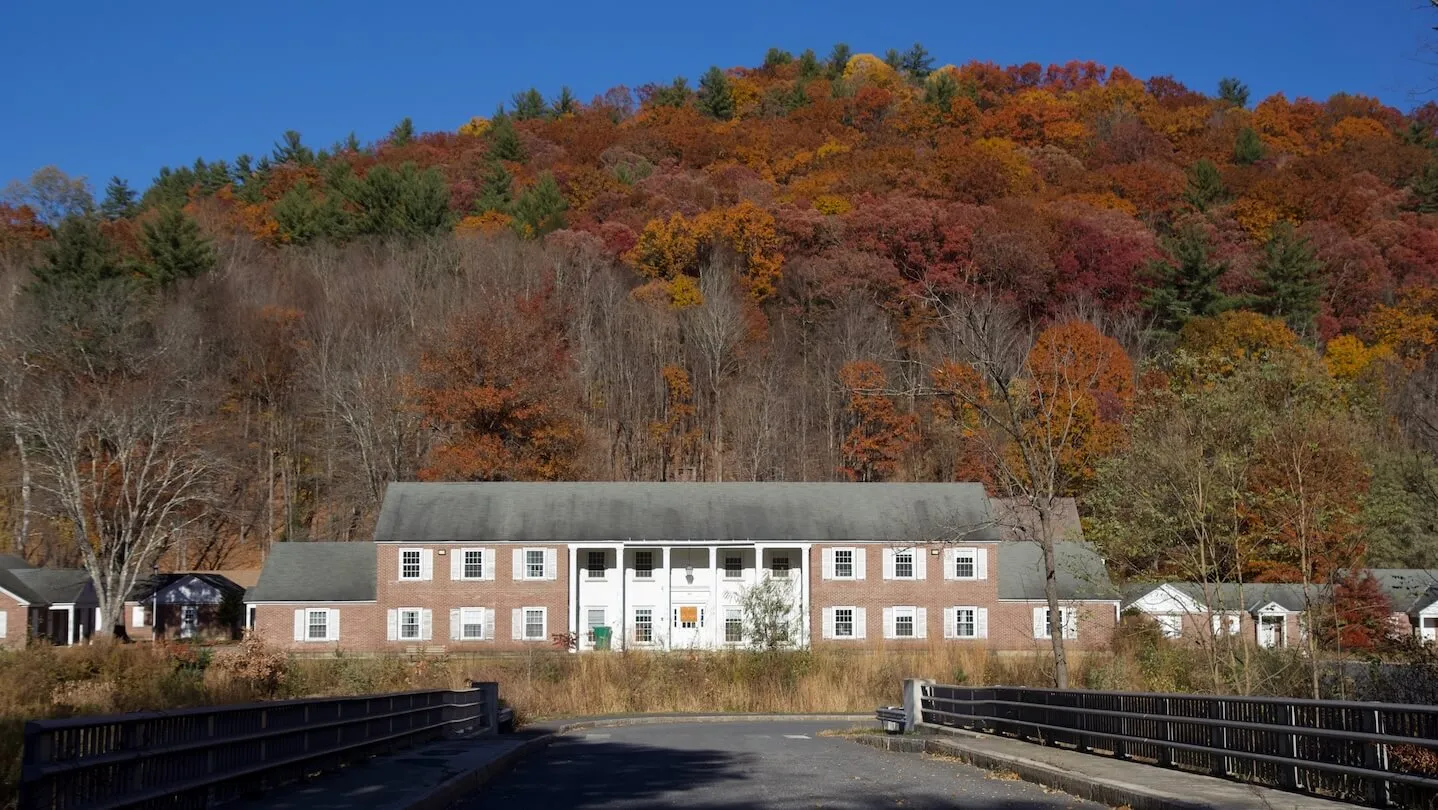
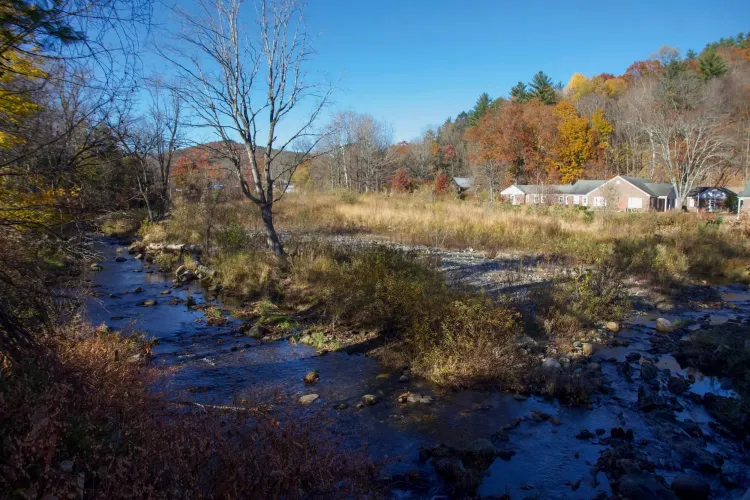
An opportunity to test out this strategy recently arose from the Brattleboro housing development Melrose Terrace. It flooded and had to evacuate 60 of its 80 residents during Tropical Storm Irene in 2011. Brattleboro Housing Partnerships has since undergone a lengthy deliberative process with FEMA and the town of Brattleboro to remove 11 of the 16 buildings, to develop a flood-safe open space that allows the Whetstone Brook to expand during heavy rains, and to create new housing for residents out of the flood zone. In October, U.S. Vermont Congresswoman Becca Balint celebrated with Brattleboro Housing Partnerships a $1.75 million federal appropriation to redevelop 30 units at Melrose Terrace.
The challenge, however, is that the site has been vacant and uninhabitable for a long time. The new housing is intended for older residents, who will remember what has happened on that stretch of river.
"How do you convince longtime community members, make them understand that a parcel of land that has been flooded time and time again is safe to live on?" is the question that Shcheglovitova said arose among Windham Aging housing partners in conversation with a southeastern Vermont housing working group.
"And as we were talking about it as a group, this idea came up that it would be really helpful to maybe show this visually," she said. "To map and display the information."
That's what sent her to gather data about the Melrose Terrace redevelopment effort and create a StoryMap explaining the project. It includes a map showing a "before" image of buildings in the floodplain and an "after" image of no buildings in the floodplain, as well as the 2024 letter from FEMA revising the flood map for the area. The revision reflected a reduction in flood risk.
"Sometimes, I think having the artifacts along with the evidence makes the story so powerful," Shcheglovitova said.
She added that she was drawn to her role with UVM Extension for these kinds of opportunities to problem-solve alongside communities, from the ground-up.
Wessel said Shcheglovitova is a meaningful contributor to Windham Aging, whether through the one-on-one dialogue with Wessel, or through the broader perspective and expertise that Shcheglovitova brings to the collaborative's implementation of its strategic plan.
"I don't have the ability to pull the data that she was easily able to pull and decipher and disseminate," Wessel said. "We would not be anywhere near where we are now if it wasn't for her involvement."
Most importantly, Wessel added of Shcheglovitova: "She really understands the community... that's a unique quality that she brings to the table that is really going to benefit Windham Aging now and into the future."