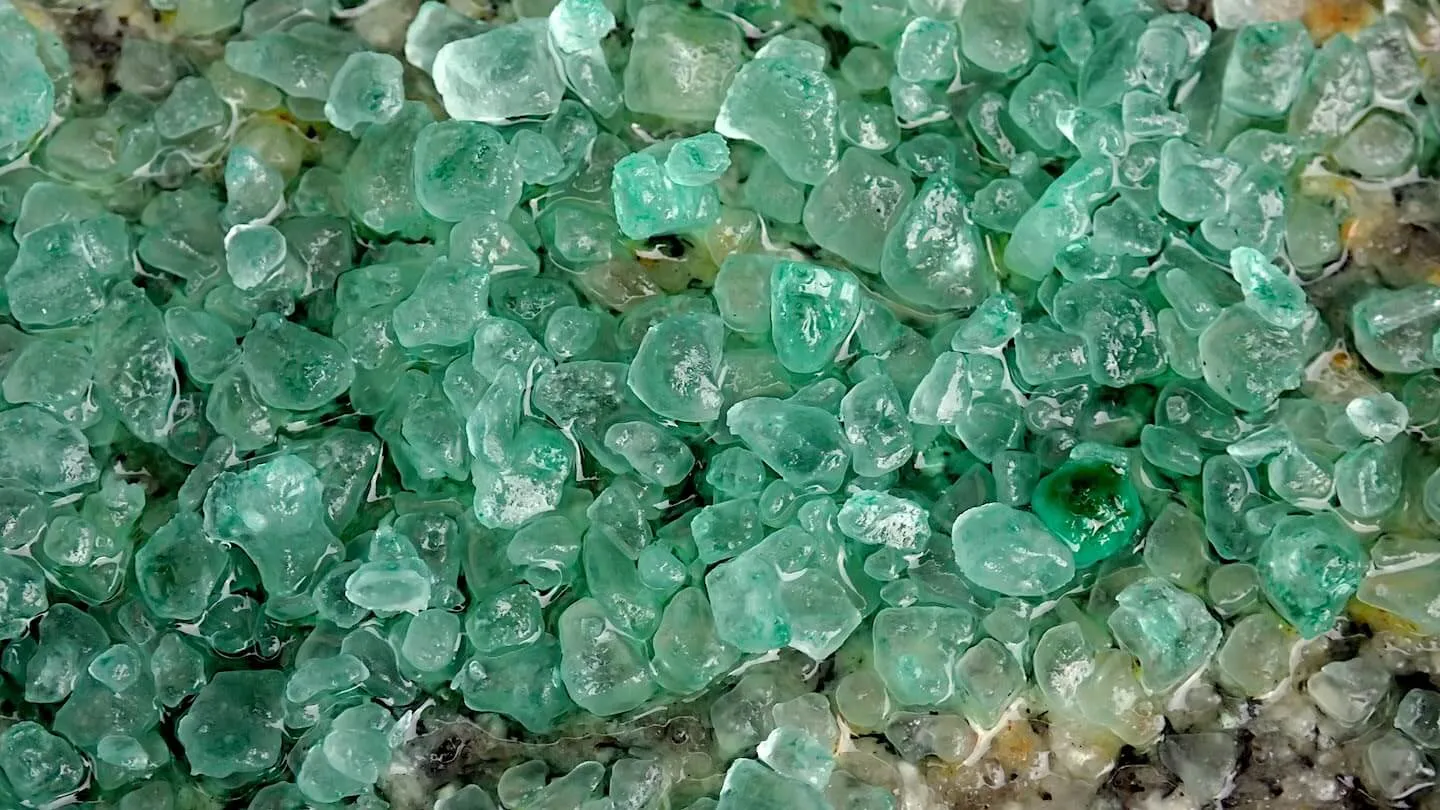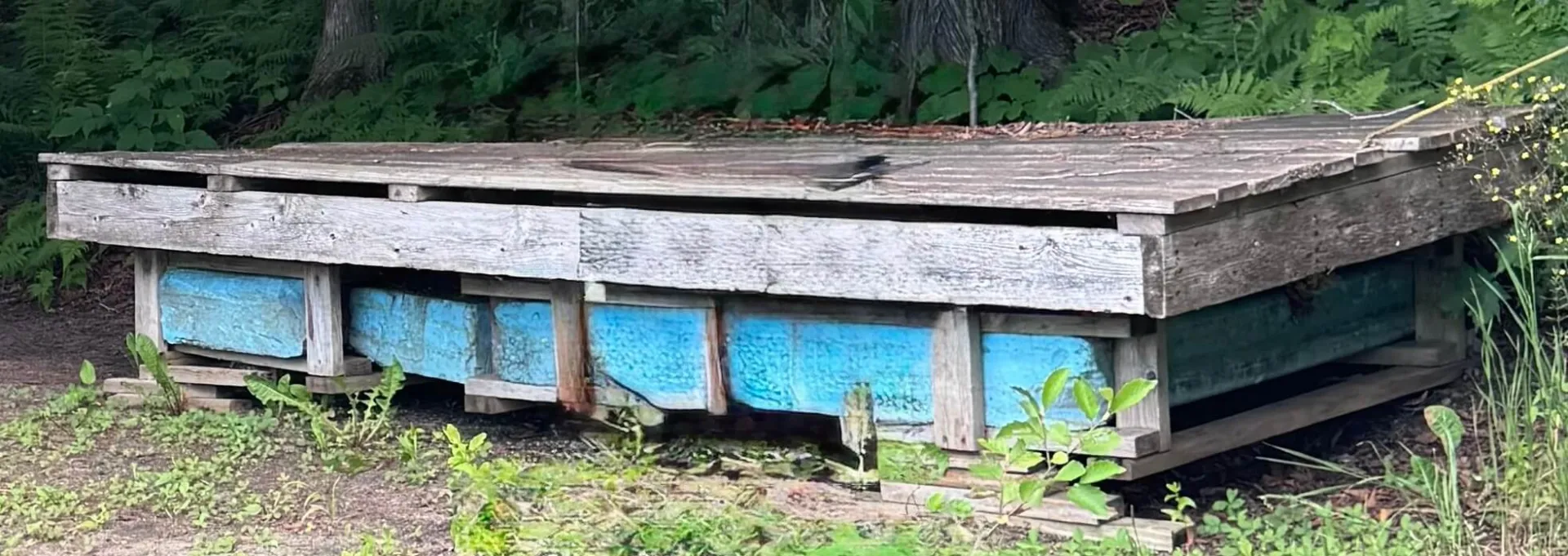
The state of Vermont has prohibited the use of unencapsulated polystyrene foam for floating structures in Vermont’s waters. Floating structures include but are not limited to docks, mooring buoys, anchor buoys, and navigation markers.
The prohibition on unencapsulated foam applies to any individual or company that owns, distributes, or sells foam docks, buoys, or other floating structures on all of Vermont’s lakes, ponds, rivers, and streams.
This regulation aims to reduce polystyrene foam pollution in Vermont’s waters.
“Data collected during cleanups show that polystyrene foam debris is consistently found on our shorelines. It is concerning because such debris can be ingested by wildlife and leach toxic chemicals” said Aude Lochet, water resources outreach specialist with Lake Champlain Sea Grant, one of the member organizations of the Lake Champlain Basin Marine Debris Coalition. “This regulation expands Vermont’s single-use products law of 2020 that prohibits expanded polystyrene food and beverage containers. It is an important step forward the preservation of our waterways.”
Alternatives to unencapsulated polystyrene foam exist. One alternative is the use of encapsulated polystyrene foam where the foam is contained in a hard outer shell durable for at least 10 years. It is recommended to check the outer shell for punctures and cracks that could lead to the leakage of foam pieces. Another alternative includes the use of air-filled floats.
To properly dispose of unencapsulated foam:
- Bring it to an authorized waste transfer station
- Bring it to the New England Waste Services of Vermont (NEWSVT) landfill in Coventry, VT,
- Work with a permitted waste hauler
Learn more about this prohibition on the Lake Champlain Basin Marine Debris Coalition’s website: go.uvm.edu/lcbmarinedebris.
The Lake Champlain Basin Marine Debris Community Action Coalition aims to enhance community awareness of and reduce the presence of marine debris in Lake Champlain, Lake George, and their tributaries. Its members include Lake Champlain Sea Grant, Lake Champlain Committee, Conservation law Foundation – Lake Champlain Lakekeeper, Rozalia Project, Vermont Boat and Marine Association, and the Lake George Association Lake George Waterkeeper. For more information, visit: go.uvm.edu/lcbmarinedebris.
Coalition members:
Lake Champlain Sea Grant develops and shares science-based knowledge to benefit the environment and economies of the Lake Champlain basin. For more information, visit uvm.edu/seagrant/home.
The Rozalia Project cleans and protects our world’s oceans and waterways. To achieve this mission, the Rozalia Project provides education, sponsors clean ups, and maintains a Lake Champlain marine debris database. For more information visit https://www.rozaliaproject.org/.
The Conservation Law Foundation's Lake Champlain Lakekeeper program advocates, informs, and inspires people to protect and restore Lake Champlain and its surrounding natural spaces to keep the Lake Champlain region a magnificent place to live, work, and play. For more information, visit: https://www.clf.org/making-an-impact/lake-champlain-lakekeeper/.
The Lake Champlain Committee is dedicated to protecting Lake Champlain’s environmental integrity and recreational resources for this and future generations through science-based advocacy, education and collaborative action. For more information, visit: https://www.lakechamplaincommittee.org/.
The Vermont Boat and Marine Association promotes the general welfare of the marine industry, facilitates information exchange among marine industry businesses, provides public education, and promotes stewardship activities that improve and protect the lake. For more information, visit: https://vtbma.org/
The Lake George Association's Lake George Waterkeeper program defends the natural resources of Lake George and its watershed by promoting compliance with existing laws, supporting scientific research, and upholding sound engineering principles that provide for the continuing protection of the Lake and the common good of the community. For more information, visit: https://lakegeorgeassociation.org/waterkeeper.