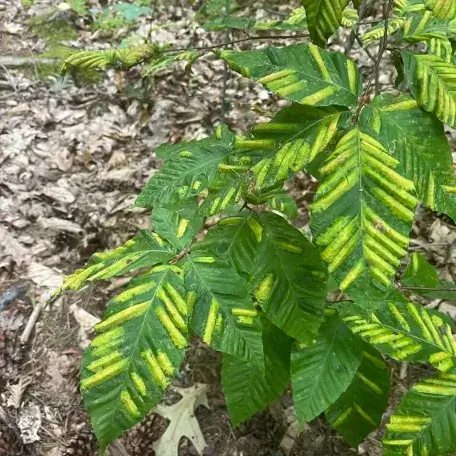
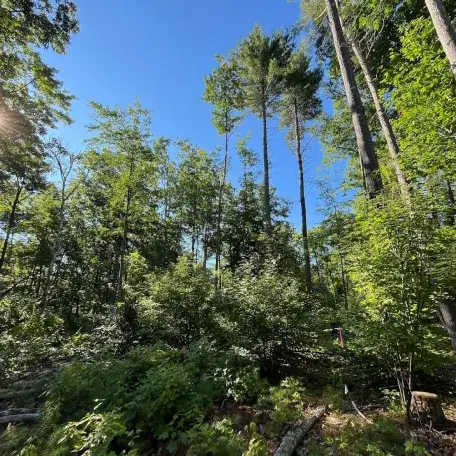
Understanding what lives in your woods helps you make informed decisions and notice changes over time. To learn more about Vermont’s biodiversity, explore these resources, smart phone apps, and identification guides.
Resources
Vermont’s Species and Habitats
Body
- Vermont Critters: Information about Vermont’s wildlife
- Backyard Wildlife Habitat in Vermont (PDF): How to create space for native species in your backyard
- Conserving Biological Diversity in Vermont (PDF): Vermont’s conservation strategies
- Vermont Atlas of Life: Explore Vermont’s living catalog
- BioFinder: Map your land’s role in the larger landscape
Identification Guides and Apps
Body
Guides
- Vermont Natural Communities: Vermont’s 97 natural communities.
- Go Botany: Identify New England plants.
- Audubon List of Priority Birds: At-risk bird species and their habitats.
- The Birder’s Dozen (PDF): Audubon Vermont’s pocket guide to birds.
Apps
- Merlin Bird ID (Web): Identify birds by sight or sound.
- Learning the Language of Birding: How to use Merlin Bird ID app.
- Seek by iNaturalist: Snap a photo to ID plants, fungi, insects, and more.
- Leafsnap: Identify trees and other plants by leaf photos.
- Useful Apps: Plant ID: How to use the seek and leafsnap apps.
Actions to Consider
- Learn which species, habitats, and natural communities are present on your land
- Use field guides or apps to identify plants, animals, and fungi
- Determine if you have any uncommon species or habitats
- Map out important features, such as vernal pools
- Keep a journal of species you see in your woods
- Revisit and monitor areas you care about