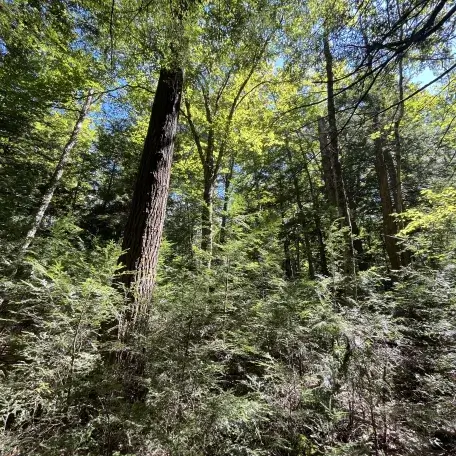
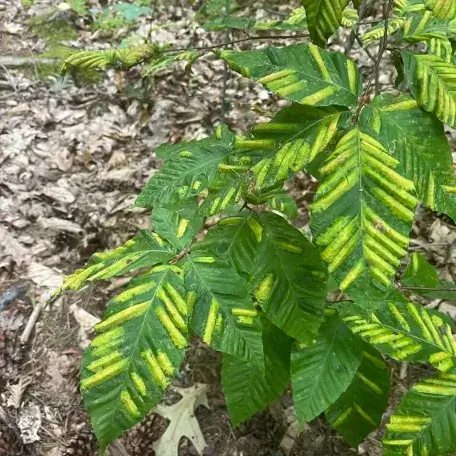
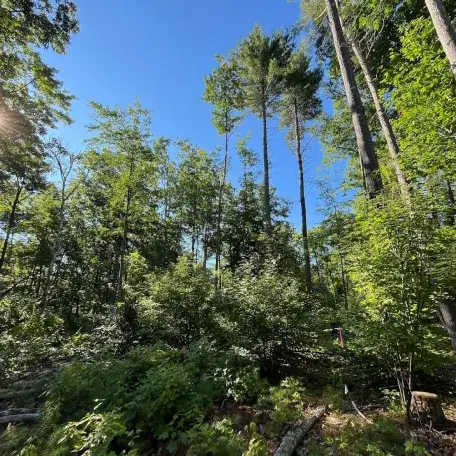
Introduced invasive plants and pests can outcompete native species and alter habitats. Although we may not be able to remove them all, but we can slow their spread.
Resources
Learn More and Report
Body
- Learn About Different Introduced Invasive Species & Pests and Control Options: Identification and management resources
- Report Invasive Species to Help Experts Track Them: Help experts track invasive species statewide
Introduced Species Identification Guides
Body
- Invasive Species Gallery: Visual ID for introduced invasive species in Vermont
- Invasive Plants in Vermont Webinar (Video): How to identify and manage honeysuckle, barberry, and buckthorn
- Invasive Earthworms in Forests (Video): How introduced earthworms are changing Vermont’s forest soils
How to Slow the Spread
Body
- Don’t Move Firewood: Buy firewood where you burn it to prevent spreading insects and diseases.
- Small Woodlot Management Tips: A guide for landowners on managing introduced species.
- Woody Invasives (YouTube): How to identify and manage introduced species in your woods.
- Tackling Invasives Together (YouTube): Vermont’s collaborative approach to introduced species.
Actions to Consider
- Learn if you have any introduced plants or pests on your property
- Take photos, use flagging, or make a map to track their locations
- Report sightings and learn more at VT.Invasives.org
- Create the right treatment plan for each situation (for plants: pulling, smothering, goats, or chemical control; for pests: silvicultural or chemical control)
- Use local firewood when possible (within 25 miles) to avoid bringing new pests to your land
- Avoid purchasing known introduced invasive plants
- Clean footwear, gear, and vehicles after visiting infested areas
- Help raise awareness in your community