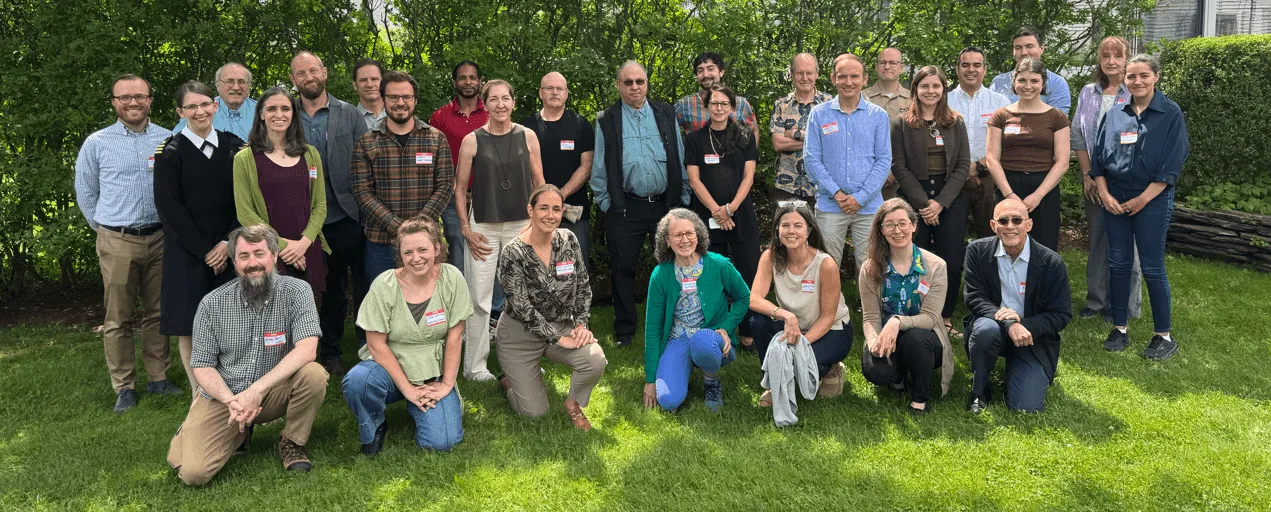
The meeting successfully brought together about 30 practitioners and researchers to address the disconnect between epidemiological modeling and policy implementation for infectious diseases. The event’s primary objectives were to support public health professionals in effectively utilizing mathematical models to guide their practical work and to inform modelers on how public health policies, real-world interventions, and official guidelines are actually formed and implemented.
Designed to foster a deeper understanding and stronger relationships between the fields, the meeting focused on identifying the practical challenges and mutual benefits of using epidemiological models to support public health decision-making.
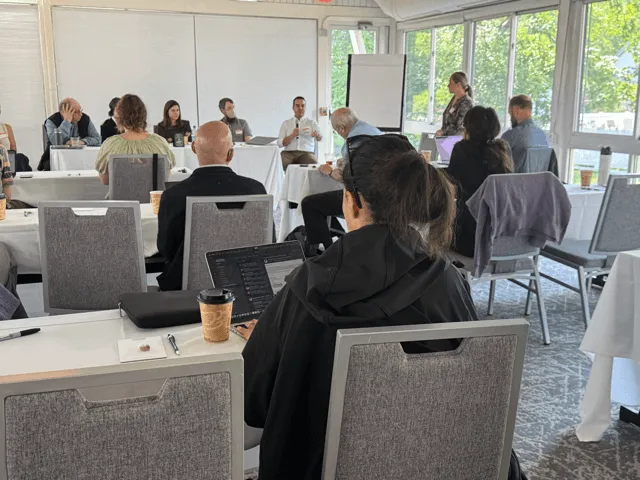
Participants addressed the following key operational and systemic issues:
- Building a Shared Vocabulary: Participants worked to establish a common terminology to clarify the definitions and overlaps of "policy," "intervention," "guidance," and "recommendation".
- Behavioral Group Flexibility: The group discussed methods to incorporate flexibility when modeling different behavioral groups in response to various public health interventions.
- Intervention Dynamics: Sessions contrasted top-down and bottom-up interventions, detailing how top-down structures typically offer less individual agency, whereas bottom-up approaches afford more agency. They also examined how material (physical methods, such as vaccination and masks) versus nonmaterial (beliefs, social norms) changes affect how easy or hard it is for the public to adopt protective behaviors.
- Avoiding Population Fractioning: Modeling experts and practitioners discussed interaction strategies that avoid fractioning the population into isolated groups, ensuring a more cohesive public response to health guidelines.
Fostering Collaboration: To overcome existing relationship challenges, the group advocated for more direct interactions and structured cross-training initiatives between epidemiological modelers and public health practitioners.
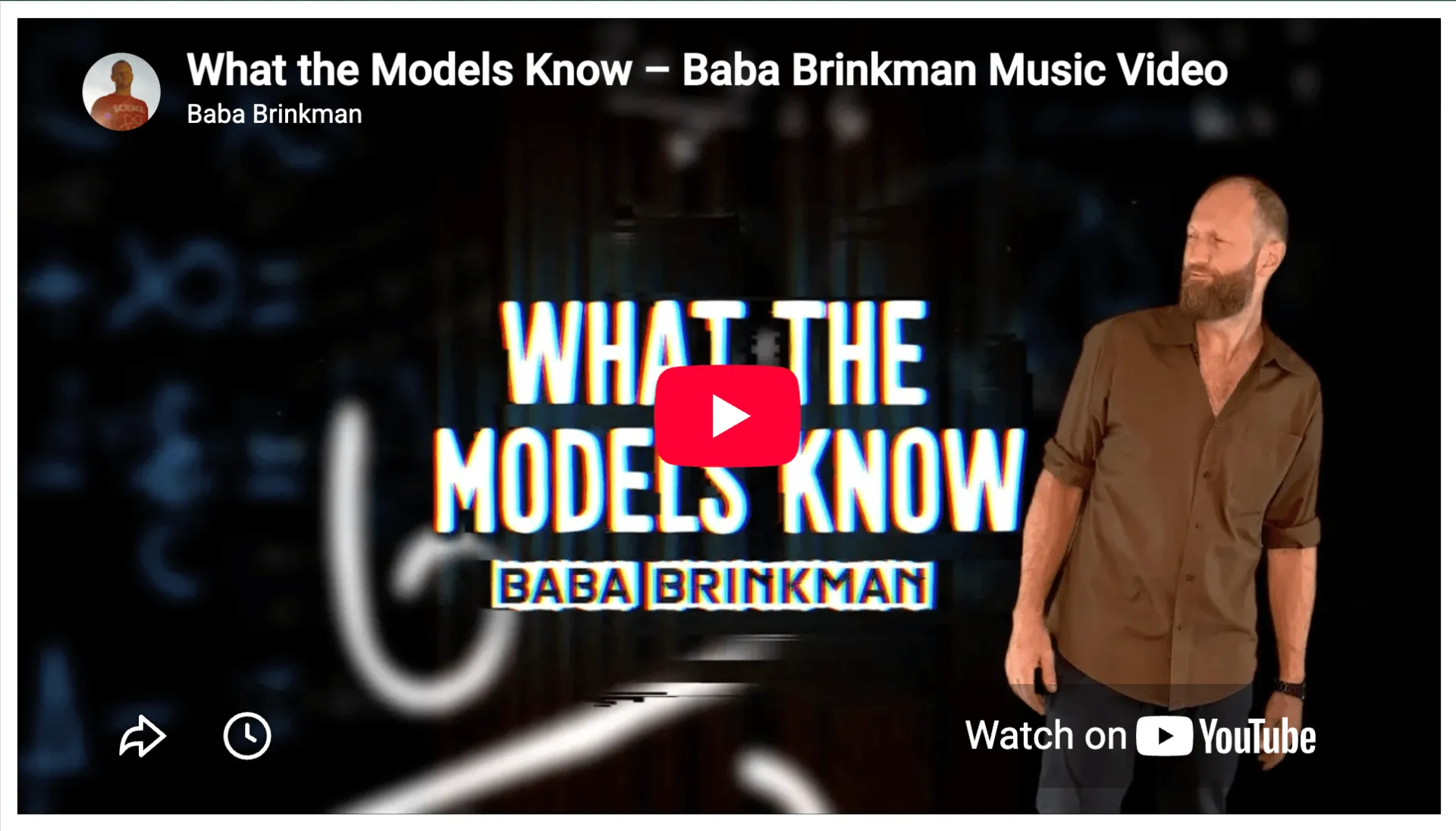
The workshop featured two performing artists from Event Rap who composed and performed rap songs about the days’ discussions. The world’s first-ever rap music video sponsored by the National Science Foundation to fulfill the research grant’s Broader Impacts mandate was premiered.
Following the workshop, participants plan to continue the discussion and extend it to include international collaborators and other nonacademic groups.
To learn more about the research project that spurred the workshop, visit https://www.nsf.gov/awardsearch/show-award/?AWD_ID=2436120