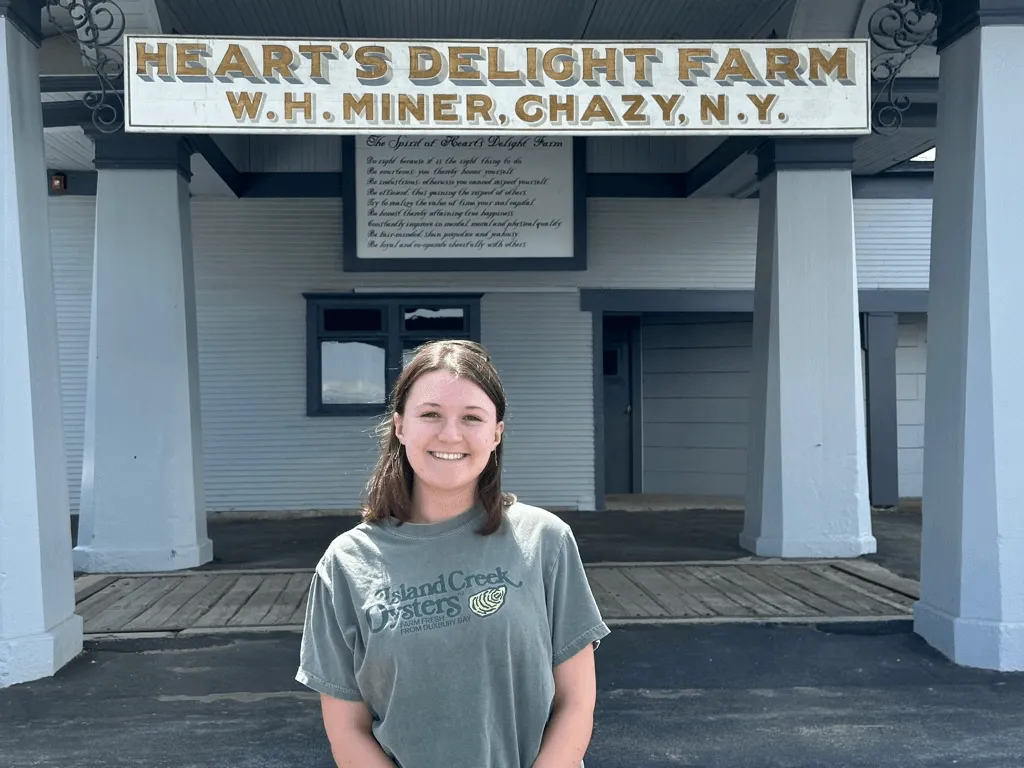
Katie Wiemeyer grew up in Duxbury, MA a suburb of Boston located on the South Shore, so except for some cranberry bogs she had little exposure to agriculture during her childhood. In her junior year of high school, she attended the Mountain School, which is a semester-long program in Vershire, VT that focuses on sustainable farming and environmental science. That was her first exposure to larger scale agriculture, and it planted a seed of interest in food systems and the role farmers play in our society.
Wiemeyer is now a senior year at UVM. She’s an animal science major on the pre-vet track with a minor in Biology. In the summer between her sophomore and junior year, Wiemeyer participated in the CREAM program with Dr. Wadsworth. She took a lot away from that summer CREAM experience, not only a love of cows, but a desire for a truly fulfilling career, not unlike the career Dr. Wadsworth reflected upon during her class. The view of what her veterinary profession would look like had always been relatively 2-dimensional: She would get up, go to her clinic, see about 15 patients, give some vaccines, maybe perform a quick surgery (or two), and then head out. Dr. Wadsworth’s stories painted a different picture for her, one of true connection with his clients, and wrangling animals much bigger than he was, all the while contributing to the food security of his neighbors.
The semester after her CREAM program, she took World Food Population with Dr. Tobin. Wiemeyer emphasizes the impact of the course on her evolution, “this class blew my freaking mind. Dr. Tobin is a fantastic speaker, of course, but the content of this class was unlike anything I had experienced before in my animal science education. It struck a chord in me after my experience at the dairy barn, and I felt called to action.”
When her advisor, Dr. Julie Smith, recommended she check out the Miner Institute’s summer program, she took her advice and reached out to the Institute.
“That was when I met Wanda. She is the program director at the Miner Institute, and she quickly dissuaded me from their summer session. ‘We have an opening in the spring. You would enjoy your time here.’”
They exchanged a few emails before Wiemeyer decided to go to Chazy, NY and check out The Miner Institute for herself.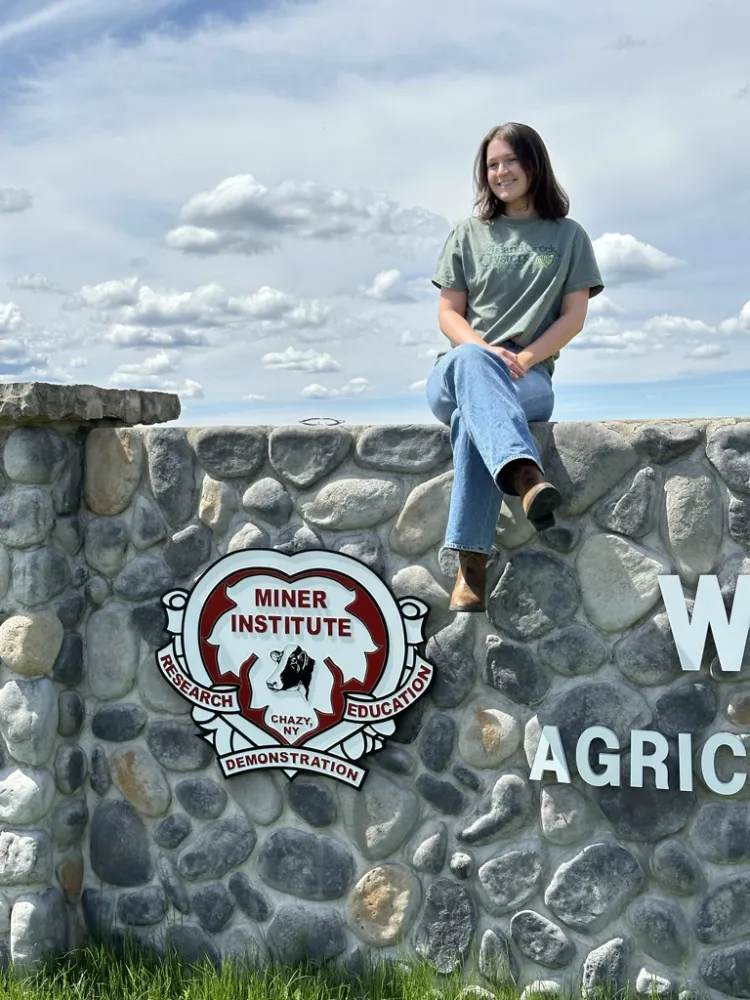
“I got in my car, drove about an hour and a half and suddenly I was there! I was surprised to see a large gathering of about 150 people, most of whom seemed to be dairy farmers themselves, had come to listen to the scientists discuss their work. This was the first time I’d seen practical science presented in this manner. The scientists had graphs and figures and cited studies, but the end goal of their research was to communicate it in a way that it would inspire change amongst the community. They spoke frankly and answered questions patiently. I was incredibly impressed and found myself hanging onto every word.”
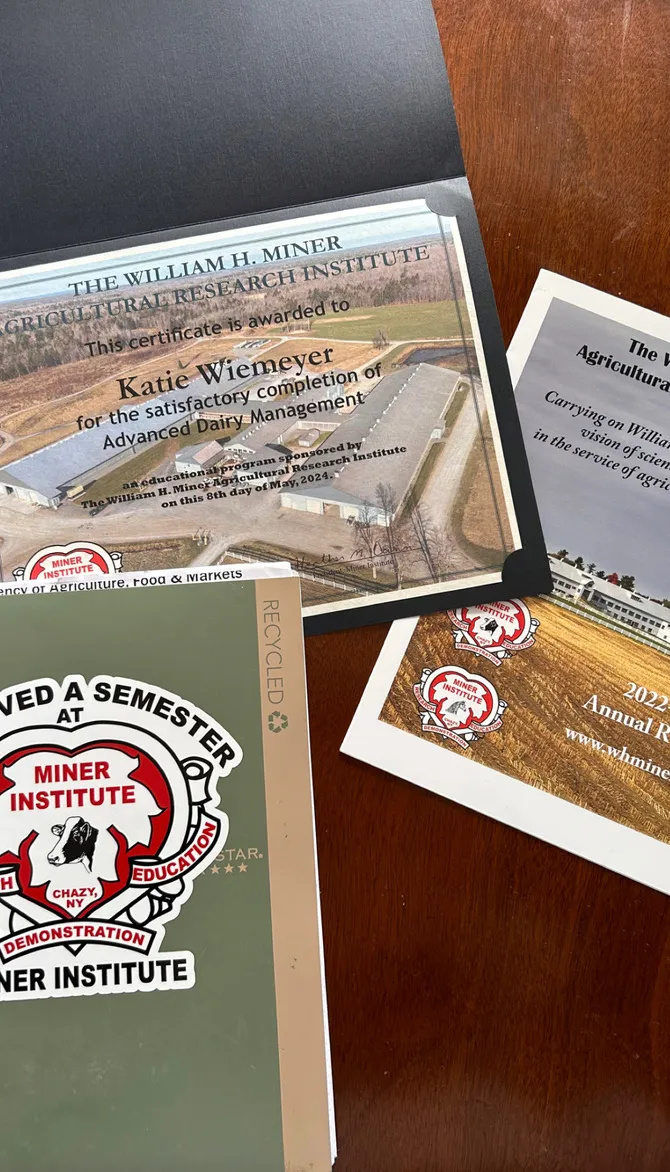
A couple weeks later, Wiemeyer moved into her dorm at Miner and began the Advanced Dairy Management program. “It was just me and one other girl, and while that had its own set of challenges, the main challenge was not being able to hide in a 300-person lecture. We had class for about 4 hours every day, during which I had to engage fully. After the first week, I was unsure what I had gotten myself into. I realized quickly I had a very baseline knowledge of cows, but not from a management perspective. I didn’t have a clear understanding about bovine nutrition, or what sorts of things they needed to be comfortable and able to produce milk. I didn’t know half of the words that I was hearing, and I felt incredibly out of my element.”
The majority of what they did daily centered around research. Every week, they’d conduct a lab, and then on Fridays they would present their lab to the panel of research scientists and graduate students at the Institute. After their presentation, the faculty and graduate students would fire off questions and critiques. At first, this made Wiemeyer extremely uncomfortable. The public speaking part was a normal level of uncomfortable, but the question and critique part was more uncomfortable. “It’s hard to be told -- in a relatively public setting -- that you did something incorrectly, or that you forgot about something. However, it was an incredible opportunity to receive feedback on the work we were doing, and during my last presentation of the semester, even I could see how much I had grown.”
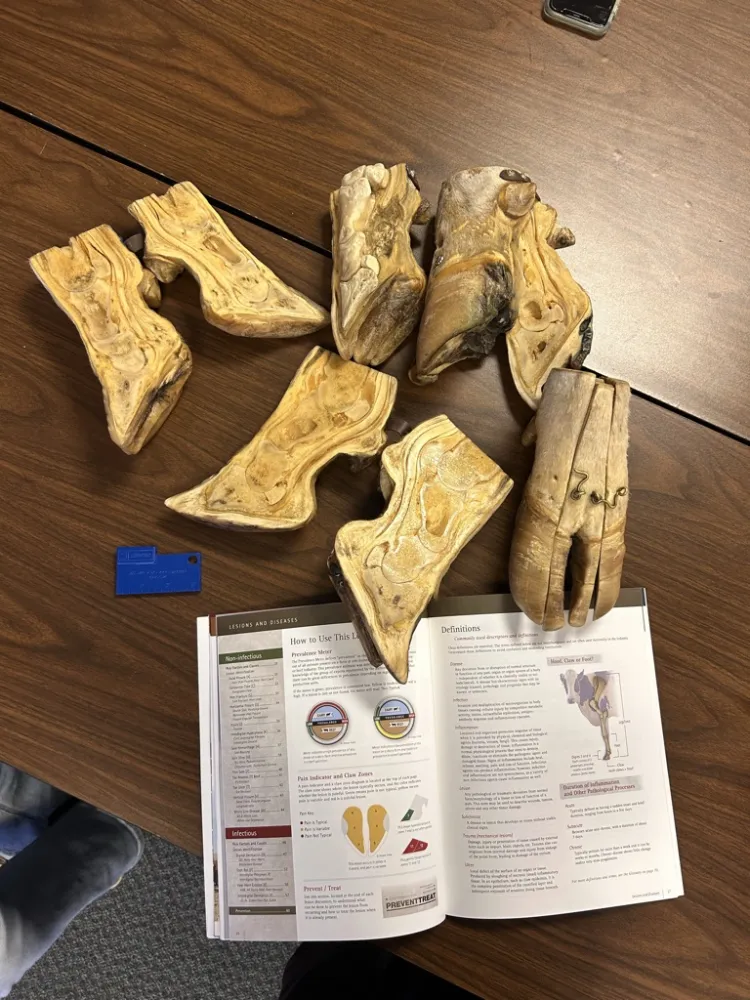
Wiemeyer’s project was on circadian rhythms. All of the labs were totally hands on and since there were only two undergraduate students they were both extremely involved in the whole process.
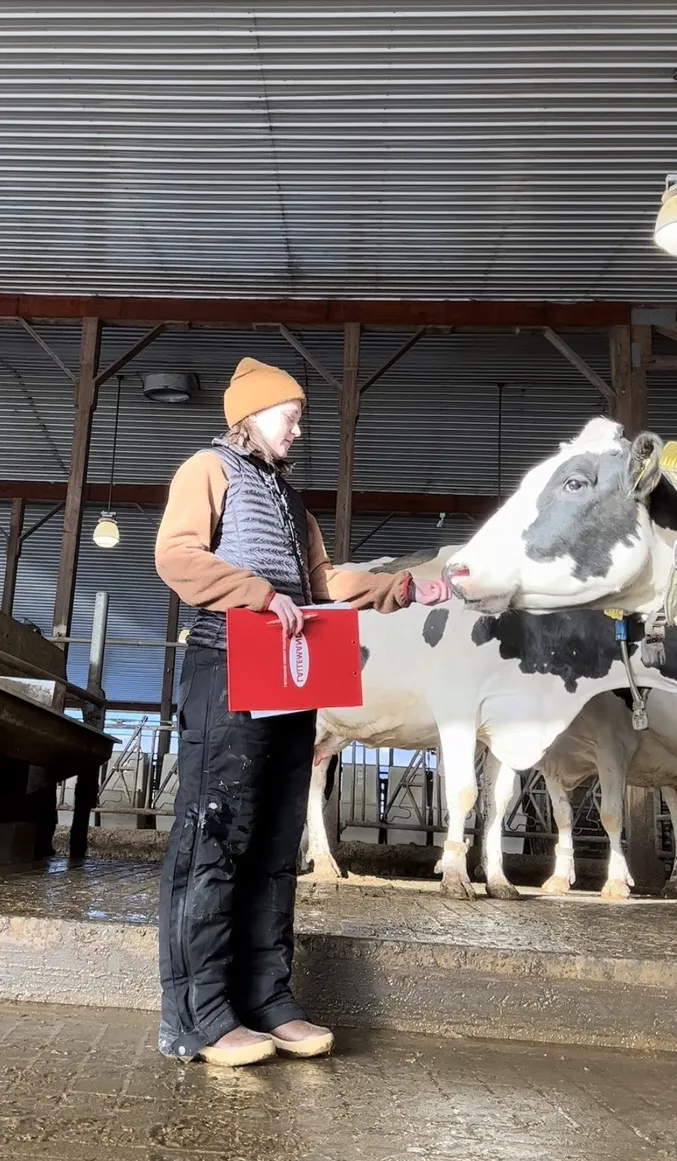
During the semester, they also took 3 trips. The first one was to California, where they toured dairy farms, an almond farm, and attended the World Agriculture Expo in Tulare, CA. Next, they went to Wisconsin, where they participated in the Cornerstone Leadership Academy, learning about strategies in communication, personal growth, and even took a dinner etiquette course. Wiemeyer toured the Wisconsin Vet School while she was there and really enjoyed Maddison. Their last trip was back to California to compete in the International Collegiate Dairy Challenge. She was on an aggregate team with students from University of New Hampshire. they ended up doing well, placing fifth, and having a great time.

“While most of our classes were taught by scientists from the Institute, we also took classes to prepare us for the Dairy Challenge that were taught by industry professionals. One class was a finance course taught by the Farm Credit East group. This was the first time I took a finance course related to my industry. It didn’t feel dissimilar to the first time I ever sat in a French class taught completely in French – I understood about every 3rd or 4th word that they were saying. The funny thing is – when it came time for me to compete in Dairy Challenge, I was the one who evaluated the farm’s finances! We also had a nutritionist, someone from Zinpro, and Select Sires."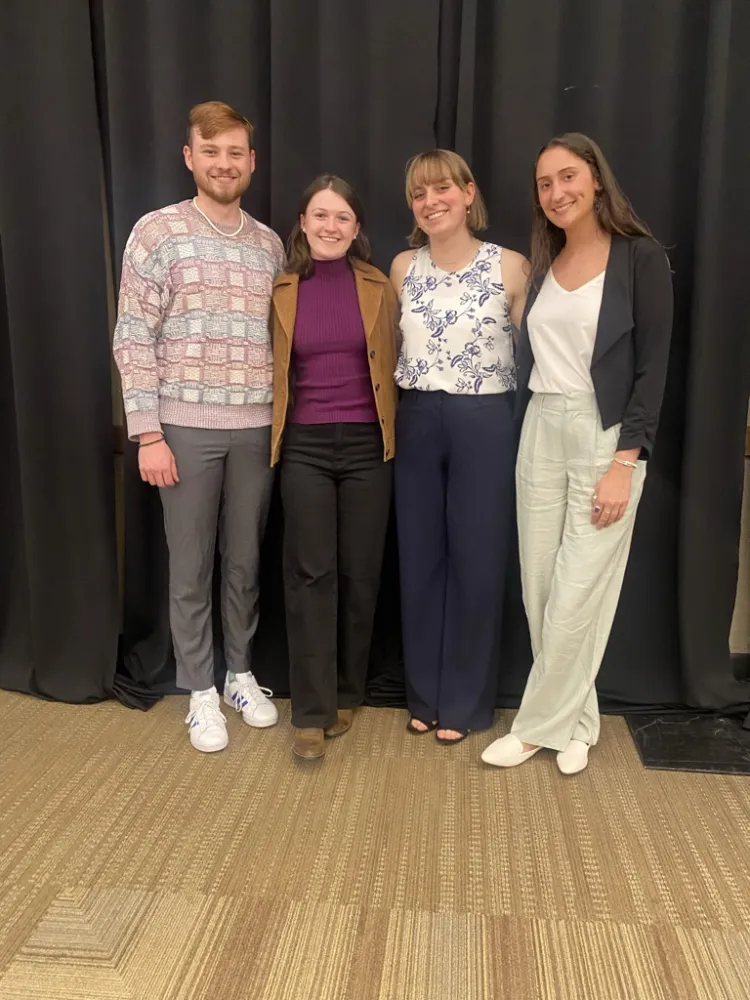
They ended up doing well, placing fifth, and Wiemeyer says the entire experience of attending Miner Institute, traveling, and competing was a really great time.