College of Agriculture and Life Sciences

Native Plant Initiative

What's the problem?

Body

Vermont is experiencing the pressures of climate change, including catastrophic flooding, heat waves, and extreme weather events. The effects of global climate change are compounded by biodiversity loss, which leads to less resilient landscapes. Some of the greatest barriers for ecological restoration efforts to combat global change include a lack of resources for selecting climate appropriate, native plants. Native plants have evolved in a given area with other species of the area and serve key functions within that ecosystem. There has been a recent surge in demand for New England native plants and a well-documented bottleneck in the supply chain, leading to a shortage of locally adapted seed from sustainably managed sources.

What's the solution?

Body

Nature-based solutions use natural ecosystems and processes to mitigate and adapt to the impact of climate change on communities. Native plants are ecosystem partners that support a myriad of ecological interactions that span the terrestrial food web, and have genetics adapted for that area's conditions. They are intrinsic to ecosystem functioning, as native plants serve as food sources and host plants for local insect populations, which are the backbone of many food webs. Biodiverse landscapes are more resilient to disturbances and enhance climate mitigation and adaptation efforts. We have the knowledge and skills to scale-up native plant propagation efforts and a create a sustainable native plant initiative to overcome the regional bottleneck in the supply chain to ensure native seeds and plants are available for ecological restoration and nature-based solutions.

What are we already doing?

Body

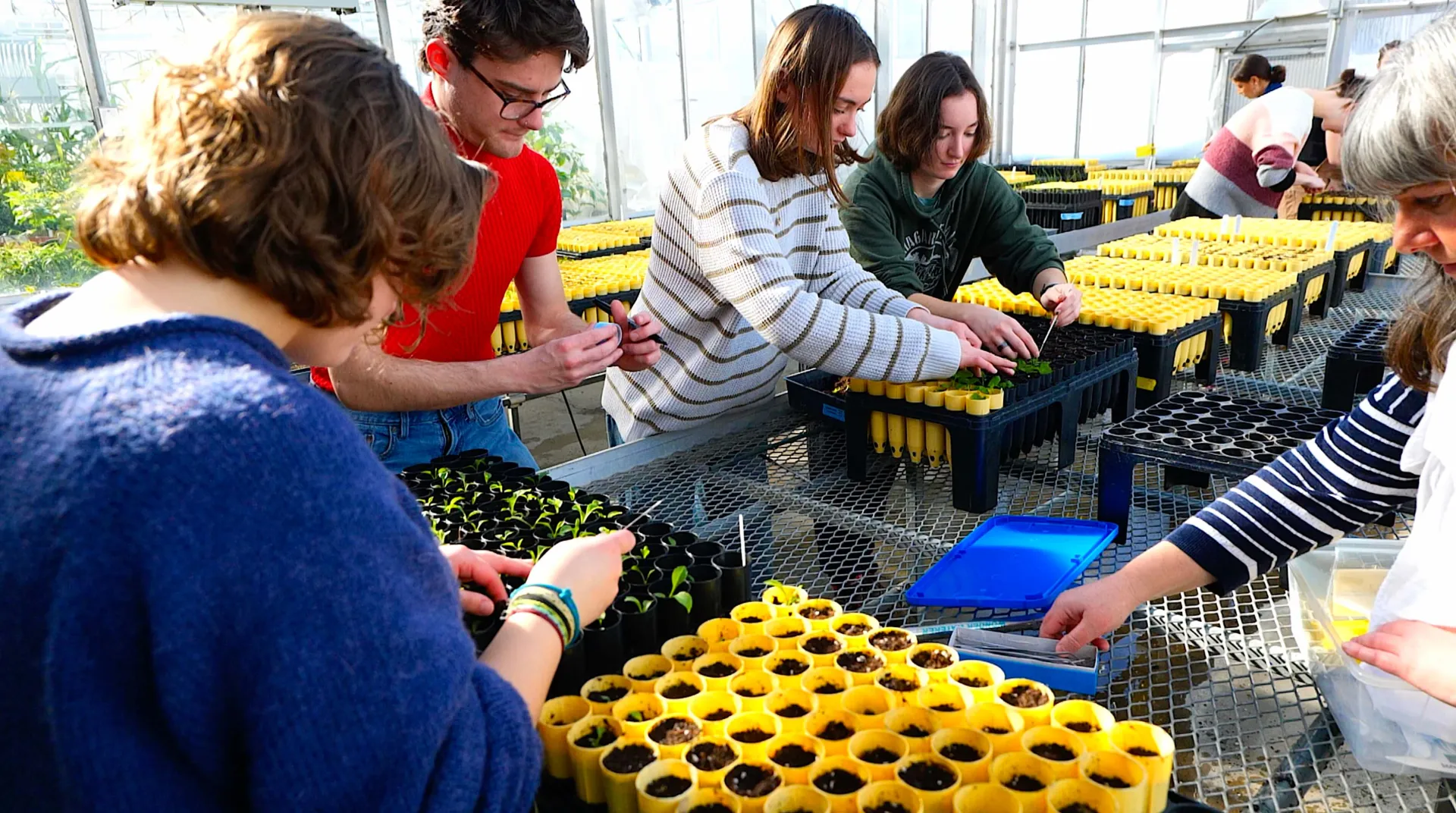
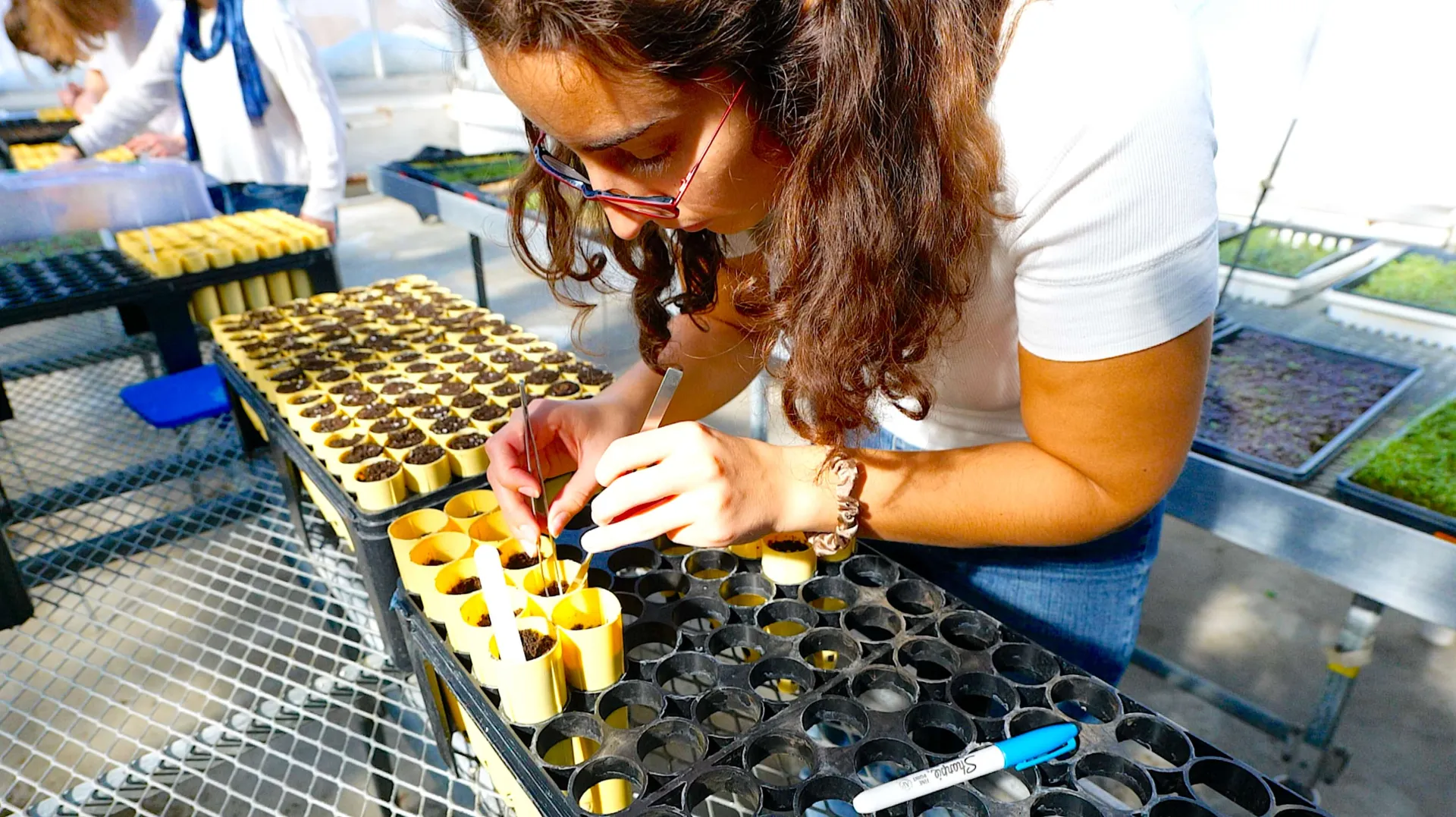
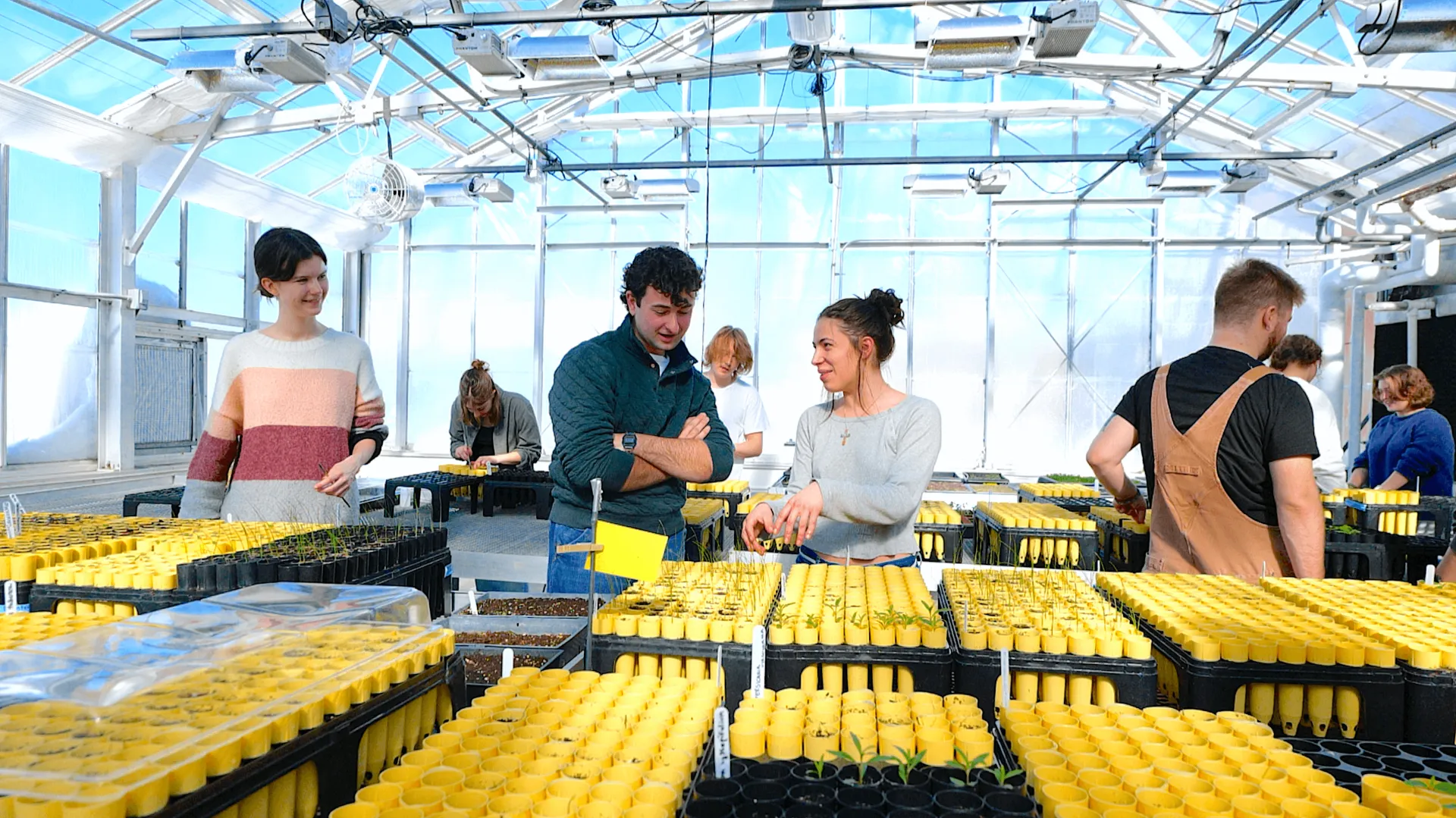
Laura Hill created a series of new experiential, community-engaged learning opportunities in UVM’s Department of Plant Biology. Students experience place-based learning by working directly with community partners and projects aimed at increasing native plant diversity for climate mitigation and adaptation. Along with UVM Greenhouses, we have propagated approximately 6,500 native plants across a variety of different species (Table 1), all of which were donated to local community projects to increase ecosystem resiliency and climate adaptation (Table 2). These innovative, service-learning courses received the UVM Outstanding Community-Engaged Learning Faculty Award in 2024. However, we have the potential to significantly scale up native plant diversity in the landscape with your support. 


Table 1: UVM native plant propagation metrics

Year# native species# native plants propagated
2023381,395
2024281,625
2025323,456
TOTAL986,476

Table 2: UVM plant biology community-engaged learning projects and partnerships

Project titleProject partnerProject years
Burlington School District Wildlife Corridor Expansion Planning ProjectsNature-Based Climate Solutions Field Coordinator, City of Burlington 2024-present
Lawn replacement and successional native plant habitatLand Stewardship Coordinator, Rock Point Commons2024 - present
Self-guided tour of the wetlands and their value at Ethan Allen Homestead ParkBurlington Wildways, Winooski Valley Parks Department 2024
Lawn alternatives in sandplain meadows at Lakeview CemeteryGrow Wild, Burlington Parks, Recreation and Waterfront, Cemetery Committee2023-present
Native plant pollinator strip installation and maintenanceAALV and New Farms for New Americans (NFNA) 2023-present
Grow Wild native plant giveaway event - Nature Spectacular CelebrationGrow Wild, Burlington Wildways, Intervale Center 2022-present
Native plant giveaway and community education eventsBurlington Wildways, Grow Wild, Old North End Farmer’s Market 2022-present
Invasive species control in floodplain forests along the Winooski RiverIntervale Center Natural Areas Stewards 2022-present
Champlain Elementary School Wildlife Corridor PlantingBurlington School District Afterschool Program2022-present
Community Garden pollinator strip maintenanceBurlington Parks, Recreation, and Waterfront Conservation Coordinators2022

UVM Native Plant Initiative

Body

We aim to develop a UVM Native Plant Initiative, consisting of a native plant nursery, greenhouse, seed increase plots, student learning and research opportunities, and community engagement. The Institute will be a collaboration among UVM’s Department of Plant Biology, UVM Greenhouses, UVM Ecological Planning Lab, UVM Extension, College of Agriculture and Life Sciences, and the Horticulture, Research, and Education Center in South Burlington, VT. This new program would allow for the sustainable production of native plants to be used for conservation and restoration of biodiversity through considerable student engagement. The UVM Nature Plant Institute will expand our reach beyond the UVM community and connect with the regional native seed network organized by the New England Native Plant Trust. Overall, this project will enhance capacity and help meet the need for native plants as a nature-based solution to the climate crisis for the UVM community, greater Burlington community, and regional native plant network in New England.
Native Plant Initiative in the News