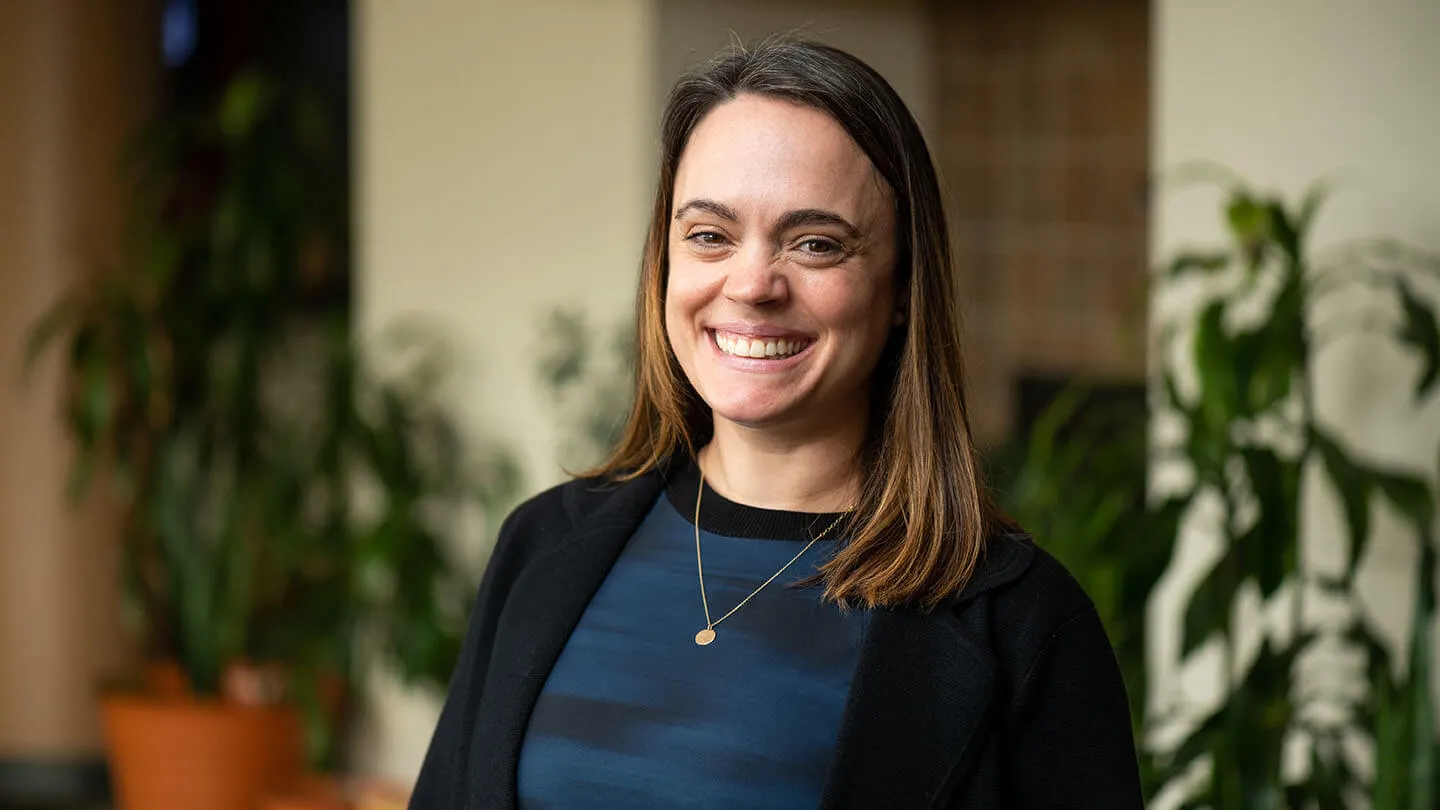
Why Qualitative Research Matters: Q&A With Dr. Elise Tarbi
Elise Tarbi, PhD, AGPCNP-BC, recently co-authored a Lancet Oncology article titled “The power of words: evaluating the role of qualitative methods in cancer research,” which explores why qualitative research is an essential—and often under-recognized—component of advancing cancer care. Here, Dr. Tarbi shares her perspective on the goals of qualitative research and the many ways it can enrich both clinical practice and scientific progress.
Q: What do we mean by “qualitative research”? And what’s the philosophy behind it?
I think of it broadly as work that seeks to understand the hows and whys behind people’s behavior and experiences. It can be gathered through interviews or focus groups, or naturalistic observation of conversations and clinical encounters as they occur. And by gathering that rich, nuanced data, we can get a deeper understanding of the phenomena that we're interested in from the perspective of the people who are experiencing it.
This contrasts with quantitative research methods, which traditionally underpin much of our biomedical health sphere. With quantitative research, there’s often this idea that there's one truth, and if you measure it with a validated tool, you can get an objective measurement of our true reality. Qualitative researchers often come to the work with the perspective that there's multiple truths and subjective realities, which can be uncomfortable to reconcile with our traditional approach to science and health care. However, as scientists, we also know that not everyone responds the same way, so qualitative research helps to fill in the grays that contribute to the complexity of that experience.
Q: What does qualitative research look like in cancer care?
The purpose of qualitative research is to center the lived experience and narratives of an affected population—often those who are on the margins or maybe don't have a “normative” experience. For example, in my research in rural cancer care, I’ve found that qualitative research can elevate the voices of rural individuals living with cancer through focused in-depth qualitative studies of their experience, which is multidimensional and different from an average cancer care experience.
Another area I work in that can benefit from qualitative research is psychedelic-assisted therapy, which is a new and emerging therapy. We know that psychedelic-assisted therapy has positive outcomes, like reduced depression for people living with cancer. I study those actual sessions to figure out what’s happening that helps drive that effect. I do this through qualitative research in the form of direct observations of the psychedelic-assisted therapy encounters, and I look for differences in these encounters that might help explain some of the differences that we see down the line.
Q: What are some attributes of good qualitative research?
In the Lancet series, we talk about five pillars of qualitative research. Here are two.
Reflexivity practices are where the investigator is very open about their viewpoint and how it influences their lens, research questions, and interpretation of findings. This practice is actually useful for all researchers—quantitative researchers as well—who may have biases that aren't transparently discussed, for instance in their development of research questions or interpretation of findings. I think all investigators should be a little bit more comfortable in reflecting on their own perspectives and acknowledging how this informs their research.
Another pillar is engagement as a marker of high-quality qualitative research—that is, centering the voices of those people who are going to be most impacted. One of the things that we do at the UVM Cancer Center, for example, is have an advisory board of affected parties who help researchers think through the questions being asked of the population, and how those questions are being asked. Engaging with that group from the very beginning helps ensure that the rest of the research is of the highest quality.
Q: What do you hope will come from this series of articles?
One hope is that it gives qualitative researchers a shared gathering space, despite the reality that many of us working in different disciplines and illness focuses. A bigger hope is that this paper builds awareness of qualitative research methods as a useful tool in this space. Perhaps it will inspire a different approach to education of future scientists, one that prioritizes qualitative methods for people training in the health disciplines. Down the line, it might change the makeup of editorial boards and peer reviews so that there’s a better chance of qualitative research being published in these higher impact places. And ideally, there would be more funding opportunities for qualitative research as well.
Read the full study: https://www.sciencedirect.com/science/article/pii/S1470204525006692?dgcid=coauthor