What is Agroecology, and Why is it Important?
What is Agroecology, and Why is it Important?
What we eat - and how it’s produced - matters for both people and the planet.
Agriculture and food systems are crucial to sustaining human life, particularly in the face of economic, ecological and social challenges of our times. Yet modern agriculture often focuses narrowly on maximizing yield in the production of food, fuel, and fiber, prioritizing economic growth and profit.
This approach has come at a cost. Industrial agriculture has contributed to biodiversity loss, soil degradation, water pollution, and climate change. While proponents of the industrial food system claim they are “feeding the world”, more than 2.3 billion people still experience moderate or severe food insecurity. Food systems also generate over one-third of global greenhouse gas emissions and, according to the U.N. Food and Agriculture Organization, cost society an estimated USD $12.7 trillion annually in health, ecological, and social impacts.
This is where agroecology comes in. Agroecology provides a pathway to transform food systems by centering restorative, traditional, and community-based farming practices. These approaches support climate resilience, environmental stewardship, economic sustainability, food sovereignty, health equity, and more.
If you’re interested in building more sustainable food systems and driving meaningful environmental change, here’s what to know about this growing field.
Explore the M.S. in Agroecology program
First, what is agroecology?
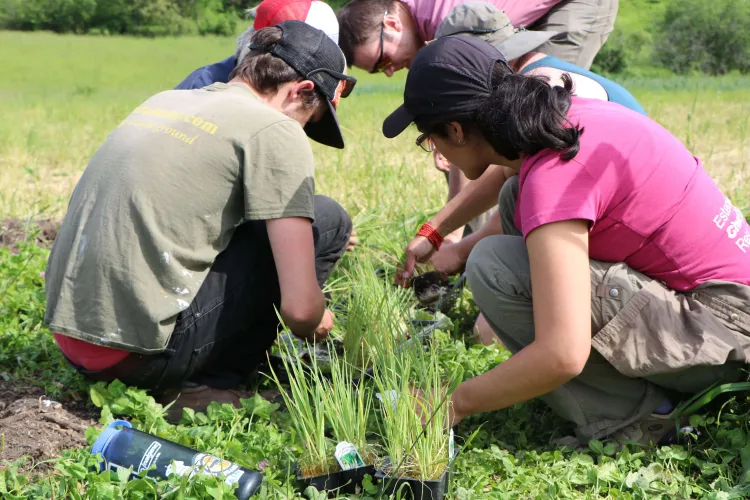
Agroecology is about producing abundant food, while also regenerating the environment and safeguarding future generations of people, plants, and animals, compared to modern agriculture, which is about producing as much food as possible in the present.
Agroecology is a science, a practice, and a movement — one that integrates ecological and social principles into the design and management of agriculture. It draws on community knowledge and traditions, ecological and sustainability principles, and empirical scientific knowledge. The goal is to create food systems that meet the needs of communities by providing nutritious food while minimizing environmental harm.
Importantly, agroecology goes beyond farming practices. It asks broader questions about diets, policies, markets, education systems, and narratives, and how they can shift to support a more just and sustainable food system.
A holistic field that brings together agriculture and ecology
As a term, agroecology combines “agriculture” — the production and distribution of food — and “ecology” — the relationships between organisms and their environments. It encompasses not just how we grow food, but how it’s consumed, distributed, and shaped by broader systems.
“Agroecology is intentionally holistic,” says Ernesto Méndez, Professor of Agroecology and Environmental Studies at the University of Vermont and co-director of the Institute for Agroecology. “It goes beyond science or the liberal arts—because we’re all connected to food, and we all need to eat, this work matters to everyone.”
Grounded in centuries of tradition and knowledge
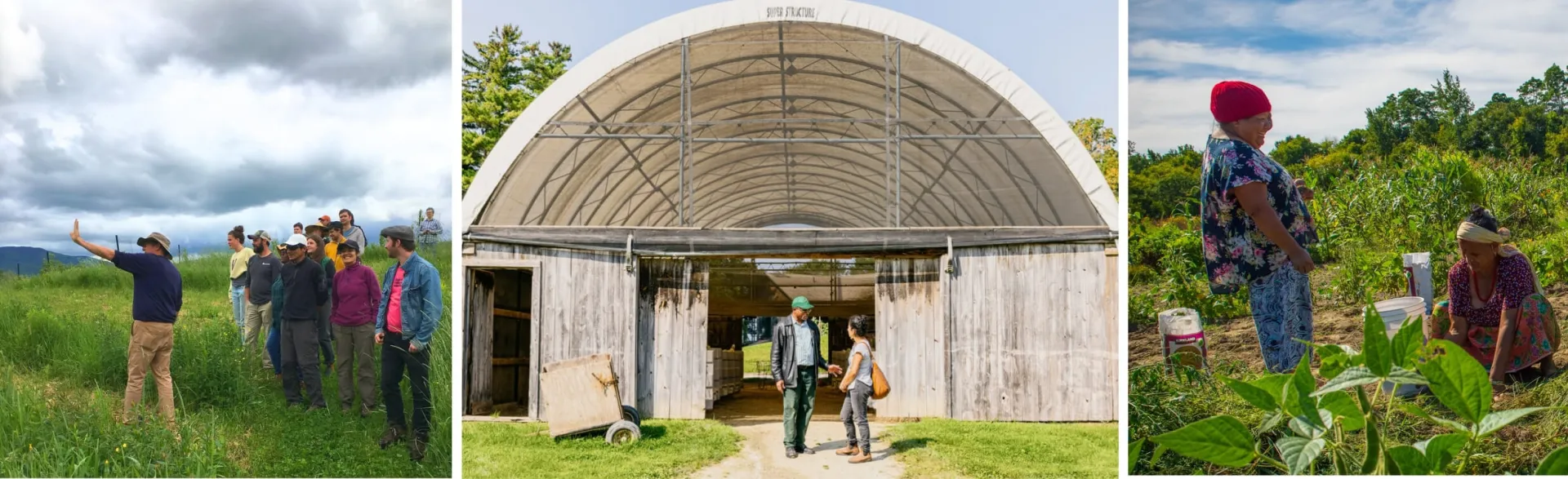
Agroecology is sometimes seen as a “new” field, says Colin Anderson, research associate professor at the University of Vermont and co-director of the Institute for Agroecology. But, he underscores, that couldn’t be further from the truth. Agroecology’s foundations come from generations of small-scale farming communities around the world that have long worked in balance with their environments.
Anderson says, “While researchers, including the IFA, have been publishing papers on it for decades, Agroecology is based on knowledge that has been around for thousands of years.”
Across Africa, the Americas, Asia, Australia, Europe, and Polynesia, communities have developed practices rooted in deep social and ecological knowledge. Although they did not use the word “agroecology”, their approaches reflect its core principles.
Presently based on knowledge co-creation: an example of agroecology
Agroecology centers on co-creating knowledge with farmers rather than applying top-down solutions. Agroecology emphasizes valuing experiential knowledge on its own terms, without requiring scientific validation, while also creating space for mutual learning that incorporates Indigenous knowledge and Western science. This approach is deeply tied to place, adapting agriculture and food systems to specific ecological, cultural, and social contexts rather than imposing a uniform industrial model. As Carlos Andres Gallegos-Riofrío, Research Associate Professor at UVM and IFA course instructor, explains, “The key is to engage communities as essential knowledge holders, whose insights are rooted in place and lived experience, while fostering dialogue across knowledge systems.”
Examples of agroecology: Knowledge Co-Creation
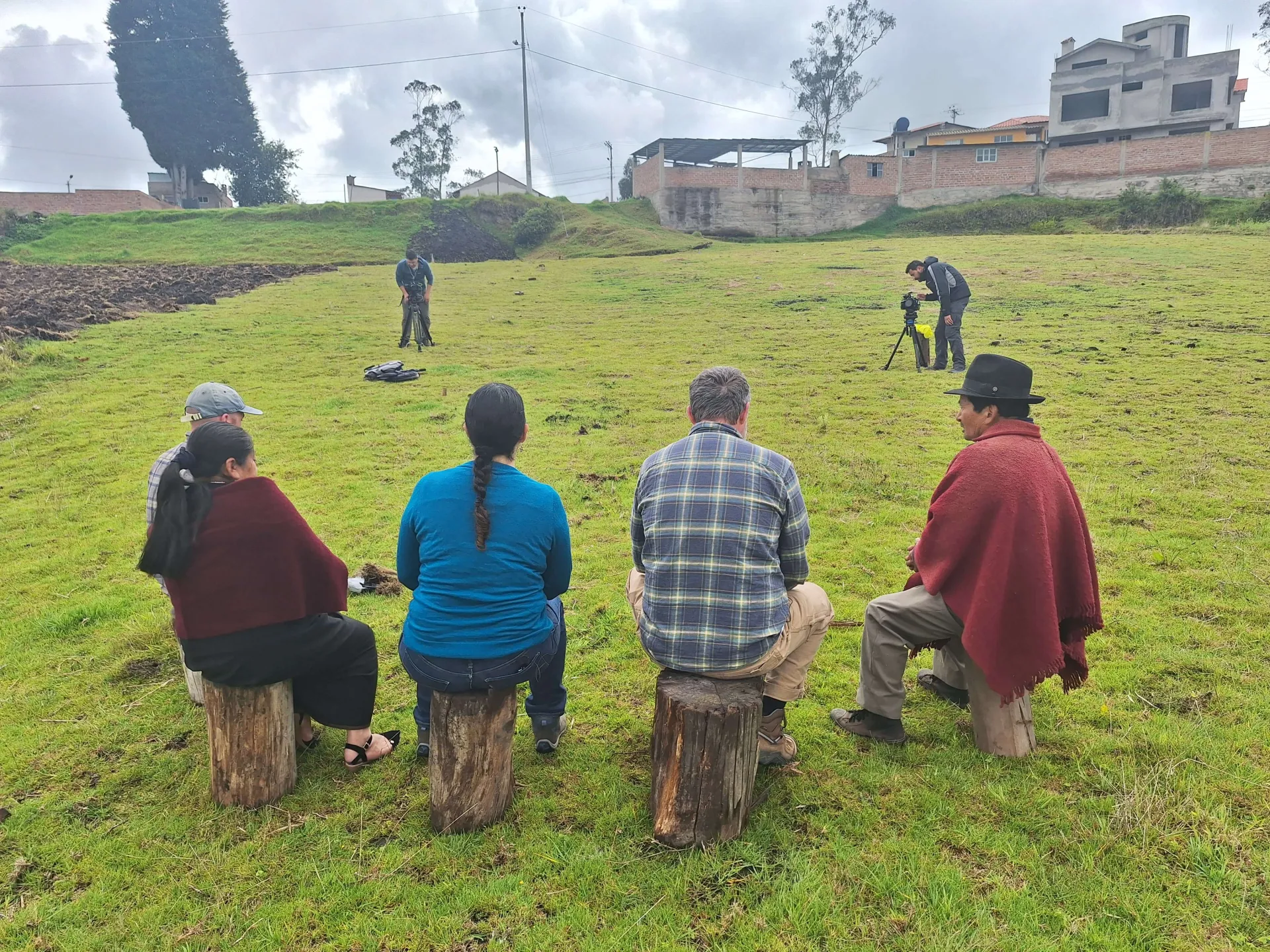
Agroecology centers on co-creating knowledge with farmers rather than applying top-down solutions. A strong example of agroecology based on knowledge co-creation comes from the work of Gallegos-Riofrío and Amaya Carrasco-Torrontegui, a postdoctoral associate at the IFA.
For several years, they have collaborated with Aymara, Quechua, and Kichwa communities in the Andean highlands. Using participatory action research (PAR), a core agroecological approach, they work alongside farmers to generate knowledge together rather than treating local communities as research subjects. This includes documenting traditional farming and food practices, studying how diverse agroecological landscapes shape soil and gut microbiomes, and examining how traditional diets based on locally adapted crops compare with more industrialized food systems. Farmers contribute generations of ecological knowledge about crops, soils, seeds, and nutrition, while researchers help gather and analyze environmental, dietary, and health data.
This process builds long-term relationships grounded in reciprocity and trust, which are essential to meaningful agroecological research. Their work through the SYMPHONY Project is beginning to reveal important insights. As Carrasco-Torrontegui explains, “The SYMPHONY Project is generating early evidence on the biocultural mechanisms connecting landscape, microbiome, diet, and mental health.” Early findings suggest that biodiverse agroecological systems may support emotional well-being by strengthening interconnected systems such as nutrition, microbial diversity, cultural identity, and relationships to land and community. Together, these factors offer a compelling example of planetary health in practice.
How is agroecology different from conventional modern agriculture?
“We’ve seen an unprecedented consolidation of corporate power and a huge consolidation of our food system in particular,” Anderson says. That consolidation is based on a model of extraction, where resources are stripped from the land and labor from communities, all in pursuit of profit.
Méndez adds: “People have been encouraged around the world to not practice their culture’s traditional farming methods and to throw those away in exchange for methods that are labeled as research backed.” Historically, agricultural research funding has prioritized high-input, high-profit systems designed for short-term productivity and profit, often overlooking long-term ecological and cultural impacts.
In contrast, agroecology advances a different model. Through the IFA, UVM invests in research and learning that elevates farmer knowledge, cultural traditions, and place-based solutions. By integrating truly traditional practices with modern science, agroecology supports approaches that are not only productive, but also socially just, ecologically resilient, and responsive to the long-term needs of communities.
“So agroecology does stand in direct contrast to modern conventional agriculture because it is a community-led effort for people, by people, and with people,” says Martha Caswell, IFA course instructor and founding co-director. “What agroecology makes possible is investing in the long term while meeting short- term needs and doing it in a way that commits to a thriving future.”
Why is agroecology so important?
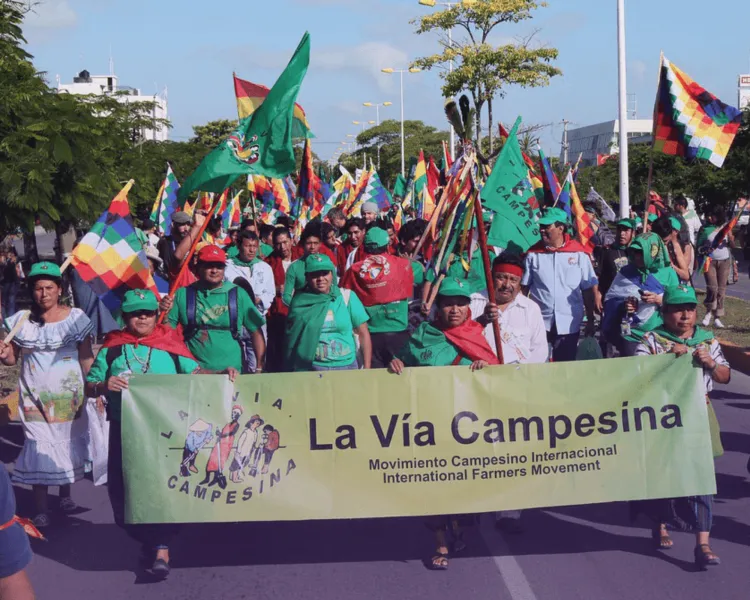
As the effects of climate change intensify, it’s becoming increasingly clear that we need to rethink our relationship with the planet. Agroecology offers a path forward.
Agroecology helps mitigate climate change and promote climate resilience.
Climate change is increasing the severity of natural disasters and disrupting the ecological systems we rely on for food. At the same time, agriculture is a major contributor to the problem, responsible for roughly one-third of global greenhouse gas emissions.
Agroecological practices address these challenges through place-based solutions that prioritize local ecosystems and community needs. At Evening Song Farm in Shrewsbury, Vt., for example, farmers Ryan and Kara Fitzbeauchamp are testing innovative ways to reduce their ecological footprint while continuing to feed their community.
In the past year, they planted rye as a cover crop and then crimped it before transplanting broccoli. This approach reduces soil manipulation and tillage, improves water retention, and suppresses weeds, all without relying on synthetic fertilizers or plastic mulch.
More broadly, agroecological practices like polyculture systems can reduce or eliminate fertilizer use, integrate grazing with crop production, and maintain healthy soil chemistry. Together, these strategies help lower greenhouse gas emissions, prevent soil degradation, and build farming systems that are more resilient in the face of climate change.
Agroecology can strengthen food supply and preserve the environment for future generations.
In addition to impacting weather and climate, current agricultural practices can damage local ecosystems and reduce the amount of farmable land. Agroecological practices, by contrast, build up ecosystems to be more robust and better able to weather changing environments, resulting in healthier land, higher nutritional quality, and lower external inputs. Rather than working against natural systems, agroecology acts in concert with the land, supporting local environments while ensuring we can grow food over the long term.
While conventional agriculture measures productivity in pounds per acre, this often oversimplifies the equation by ignoring the additional land and resources required to produce key inputs like water, fertilizer, and fossil fuels. Agroecology, oriented toward non-extractive practices that improve soil health, offers a different model, one in which soils are replenished rather than depleted. If the challenge is feeding a growing population on a shrinking land base, agroecology points toward a higher-yield approach over time by sustaining and strengthening the very systems that make agriculture possible.
Agroecology can increase access to food worldwide.
Agroecological solutions are inherently location-specific. While this means there is no one-size-fits-all answer to farming challenges or food shortages, it also creates a diverse toolbox of approaches that can be adapted to different environments. By working closely with local communities, agroecology helps identify which practices have been effective in the past and which are best suited to current conditions, providing the knowledge and tools to sustain, adapt, or restore them.
One example is Bokashi composting, a technique developed in Japan that is now supporting agroecological transitions in West Africa. Bokashi uses locally available materials, such as rice bran, charcoal, and manure, to create a fermented compost in as little as 12 days. This low-cost method improves soil health, boosts yields, and enhances water retention, while reducing reliance on synthetic fertilizers, making it a powerful tool for climate-resilient farming.
Agroecology is a form of historical and cultural preservation.
“We are only a generation or two removed from many traditional farming practices, and there is still time to recover that knowledge and share it back within communities,” says Méndez says. Yet modern industrial agriculture often prioritizes efficiency and profit over tradition, making it difficult for small-scale farmers to compete. As farms consolidate or adopt industrial methods to survive, cultural practices and ways of knowing can disappear. “When that knowledge is lost,” Méndez adds, “we lose more than techniques: we lose entire relationships to land, food, and community.”
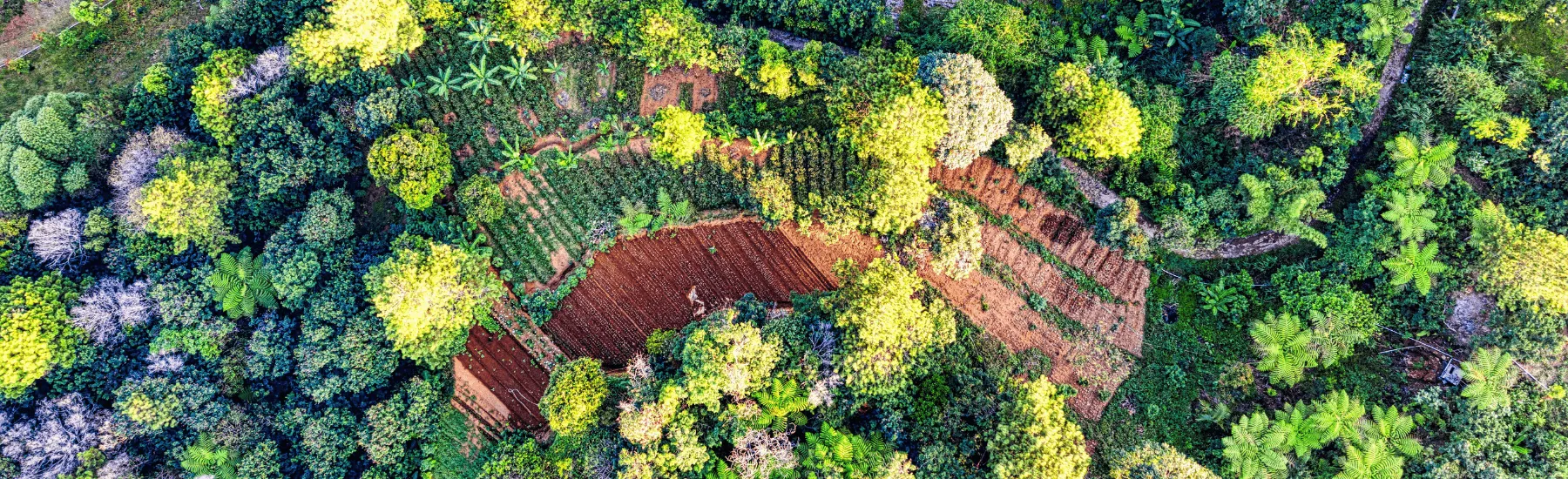
One example of what can be preserved comes from Caliata, an Indigenous community in the Ecuadorian Andes, which is being studied as part of the IFA’s research on Planetary Health. There, a pre-Columbian terrace system continues to support farming today. Built over centuries and maintained through generational knowledge, these terraces enable agriculture in steep, high-altitude landscapes while sustaining soil health, water systems, and biodiversity.
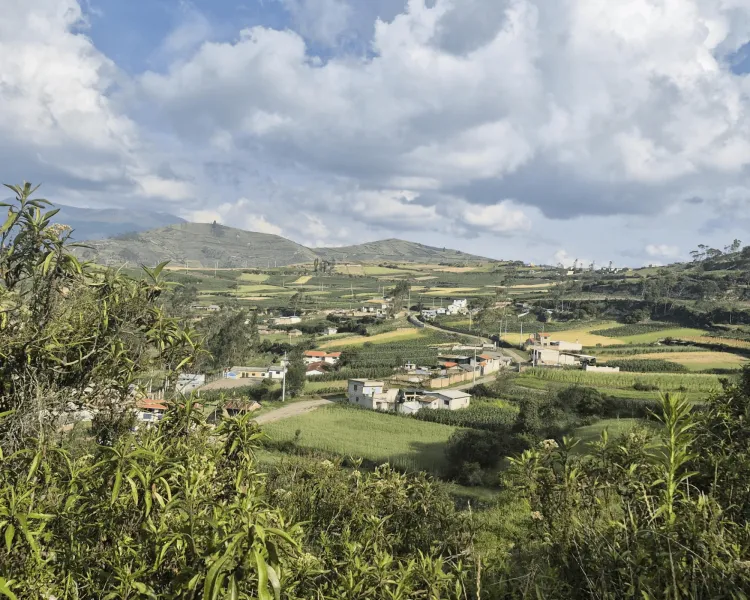
Efforts like the Caliata Initiative are now combining community-based research with modern technology tools like UAV remote sensing to document and protect this agroecosystem, demonstrating how traditional knowledge can remain a vital, living foundation for resilient food systems.
Agroecology aims to preserve the knowledge of these traditional methods and give farmers and communities the support they need to continue them. For example the Vermont Participatory Action Research Team is working directly with farmers to find out the issues they’re running into and, according to Rogers, “stewarding resources to allow these farmers to be innovative in solutions that don't rely on heavy fertilizers or huge inputs or degrade the environment.”
Agroecology can provide a socioeconomic boost to marginalized communities.
Agroecology relies on Participatory Action Research, “a method of researching that is non-extractive, and where you are co-creating the research with your community partners,” Anderson says. By putting communities in the driver’s seat, agroecology helps create solutions that increase food access, generate livelihoods, and reduce reliance on external systems—strengthening long-term economic resilience.
UVM’s Master’s in Agroecology: The First Program of Its Kind
The University of Vermont’s M.S. in Agroecology is the only fully online synchronous program of its type in the world.
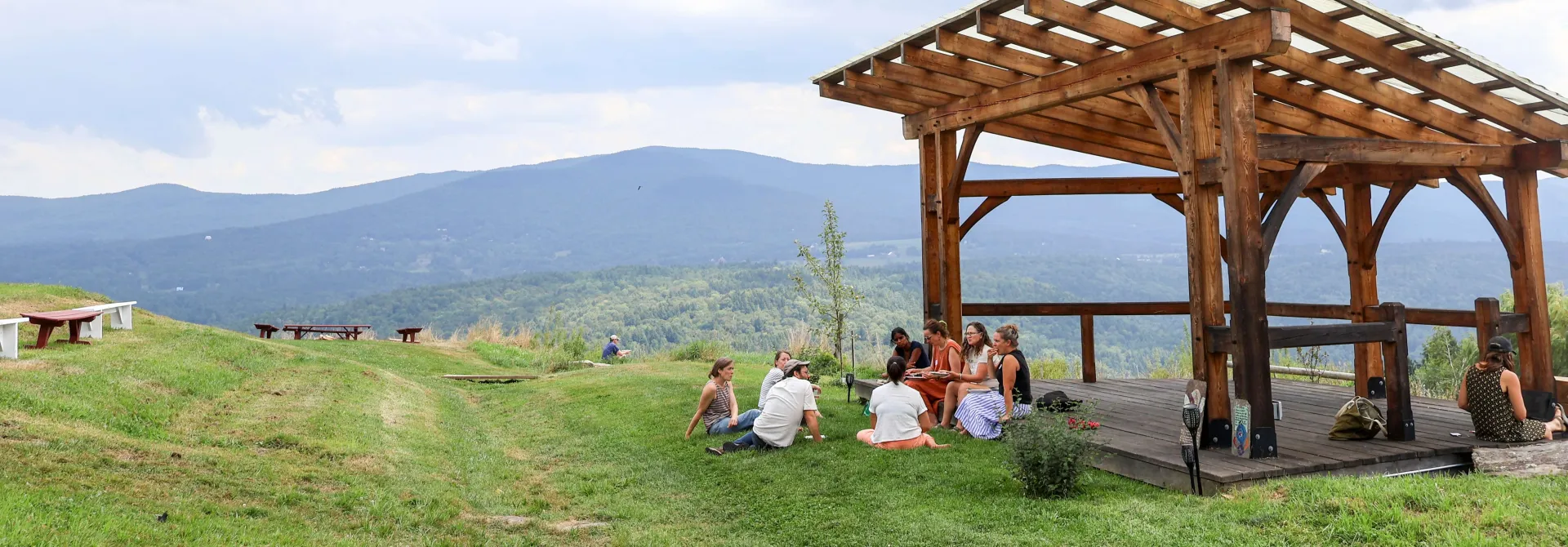
The online format of this program allows students to continue their community work while advancing their education. It also increases access to course content for a wider range of students, including those across all parts of the food system. “We see farmers, we see community advocates, we see technical assistance providers,” Emily Hoyler, the Institute for Agroecology’s Learning and Culture Lead, says, “and this type of program is going to help those folks hone some of those skills needed to navigate some of these larger systems.”
But the program's synchronous nature is just as important: to build an agroecological community. “Agroecology is multifaceted, and folks and students that are going to be studying it are going to be studying what impacts them the most, right? So everybody's going to have a role to play,” Hoyler says. “We can't all do everything.” UVM is helping to build a global agroecological community, ensuring that people can lean on each other in times of need, come together to solve bigger problems, and help spread agroecology as a sustainable movement.
Ready to Become Part of the Agroecology Movement?
If you’re interested in changing the food system for better, creating environmental change, and making a positive impact on our world, consider studying agroecology. Explore the M.S. in Agroecology program at UVM or register for an upcoming information session for more information.