First U.S. Online Master’s Program in Agroecology Welcomes its Inaugural Cohort at UVM
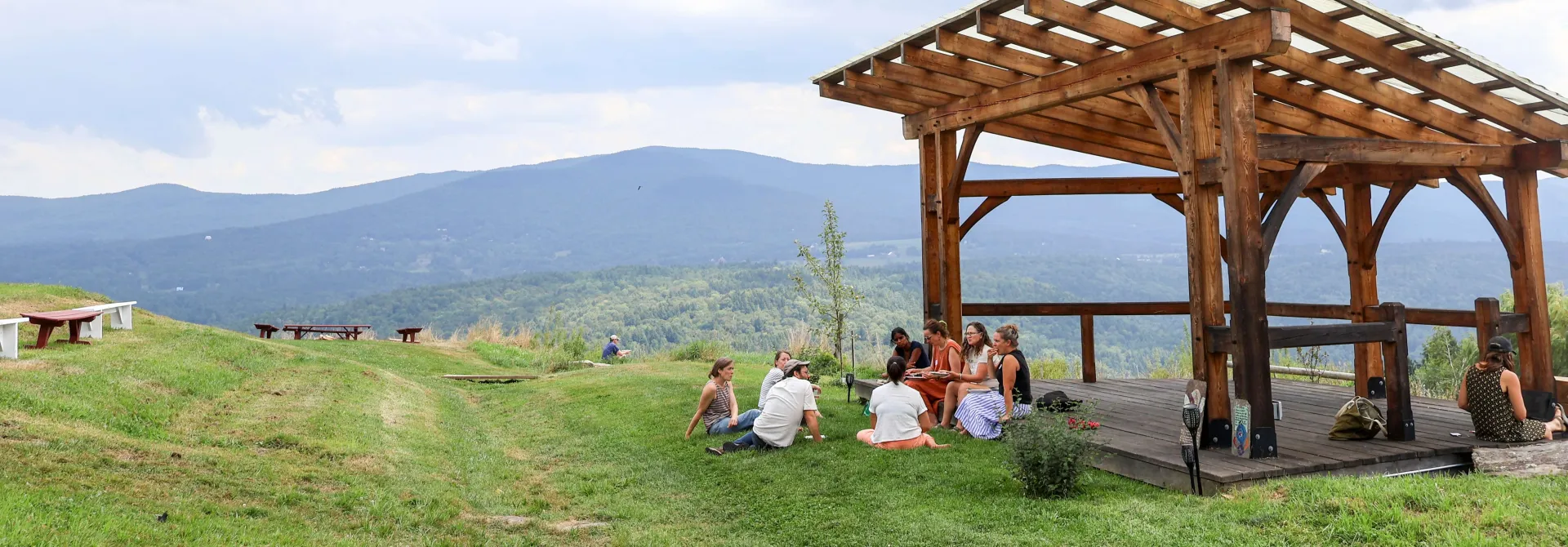
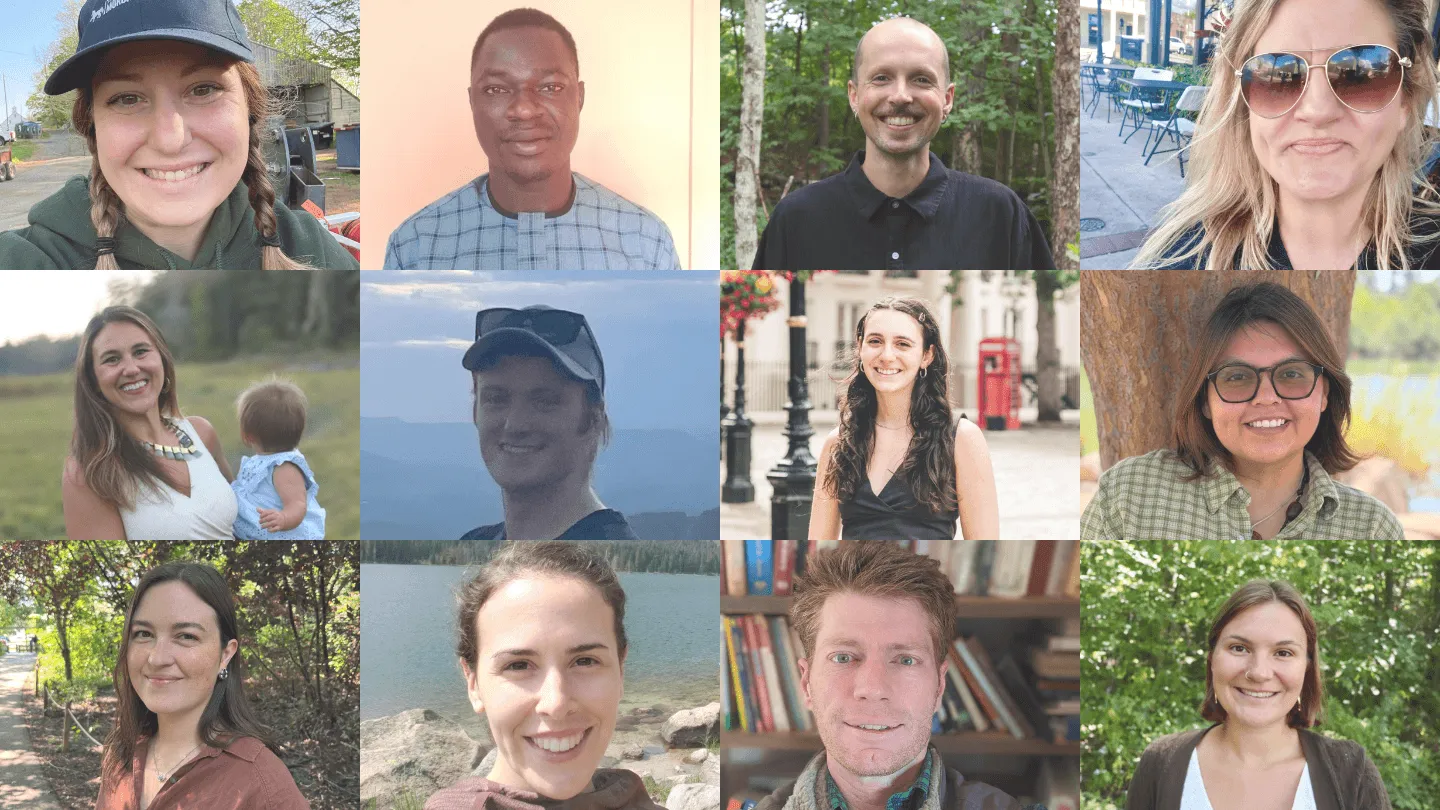
The inaugural cohort of the first online, U.S.-based master’s in agroecology has launched at the University of Vermont. The crop of 25 students hail from across the state of Vermont, the country, and the world, coming from as far afield as Florida, California, Ethiopia, and Ghana. They each hold diverse backgrounds as farmers, educators, organizers, non-profit leaders, extension professionals, applied researchers, continuing students, and more.
This master's program focuses on agroecology, a way of understanding and designing food systems using social, ecological, and political principles to regenerate nature and create a more just society. It is rooted in Indigenous practices and ancestral knowledge, which are combined with scientific knowledge to address the current food crisis. Agroecology is not only about changing farming techniques, but is also about transforming policy, science, cultures, and economies to bring about more just food systems.
“Agroecology as a field feels immensely hopeful,” says Mary Nagy-Benson, one of the cohort members, who graduated with a B.A. in Regenerative and Just Food Systems from Middlebury College in 2025. Nagy-Benson has spent the past seven years farming in Vermont and is currently the post graduate education fellow at Shelburne Farms. "To marry science, agricultural practices and social justice together creates a way forward, in our food system and beyond, and it's one that I want to be a part of.”
Transforming food systems through agroecology requires more than simply changing how farmers grow food or what consumers choose from store shelves. It is also about policymakers shaping legislation, researchers partnering with communities, educators co-creating knowledge, and activists mobilizing communities to advocate for radical change. The power lies in the connections among these actors and sectors—the transdisciplinary collaborations that fuel movements for a just, regenerative, resilient food system in the face of a neoliberal, extractive global food regime.
“Although agroecology has been broadly embraced across the globe, it is lesser known in the United States, which is why the graduate and professional agroecology programs launching this year at the University of Vermont are intentionally designed so that they can be accessed from anywhere around the U.S. and the world,” says Ernesto Mendéz, co-director of the UVM Institute for Agroecology and professor of agroecology at the UVM Department of Agriculture, Landscape, and Environment. “Our goal is to train students in transformative agroecology practices that they can take back with them to their communities to push for changes in practice and policy that will transform our food systems to ones that are equitable, ecological, and locally responsive.”
This flexible degree program is designed for working professionals seeking advanced training to address the urgent need for food systems transformation in response to climate disruption, biodiversity loss, and social inequities. Created by the UVM Department of Agriculture, Landscape, and Environment and Institute for Agroecology, the curriculum was shaped by conversations with farmers, organizers, policymakers, and students who emphasized a need for a deeper, degree-level pathway that builds on practice while remaining accessible to people rooted in their communities and careers.
“My decision to pursue further studies in agroecology and sustainable food systems is born out of my intrinsic desire to cause positive changes in Ghana's agriculture and food systems,” says Robert Atiim, a cohort member who is joining the program remotely from Ghana. Atiim has spent time farming and currently works as a field coordinator for Trax Ghana in a partnership project with The Beela Project on strengthening local and indigenous foods systems in the upper east and north east regions of Ghana. He adds “As a result of working in a local organization and interacting with farmers at the community level on traditional farming practices, indigenous food systems and agroecological principles (...) I have, over the years, become interested in how best sustainable food production could be practiced to achieve global food security and sustainability especially for developing countries like Ghana.”
Over the span of 30 credits, students will learn from experts in the field, including IFA Co-Directors Ernesto Mendéz and Colin Anderson, Lecturer Nils McCune, and guest lecturers from the IFA’s international network. Students will develop the skills to:
Apply systems thinking across ecological and social dimensions
Understand ecological processes in farms, landscapes, and global food systems
Analyze power, equity, and justice in food systems
Conduct participatory, community-based, and transdisciplinary research
Build communities of practice and cultivate reflective leadership
As the first cohort gets underway, the IFA and ALE are excited to further develop the master’s in agroecology to keep meeting the needs of the people making up the agroecology movement. To follow along and learn more, visit https://www.uvm.edu/cals/ale/program/agroecology-ms