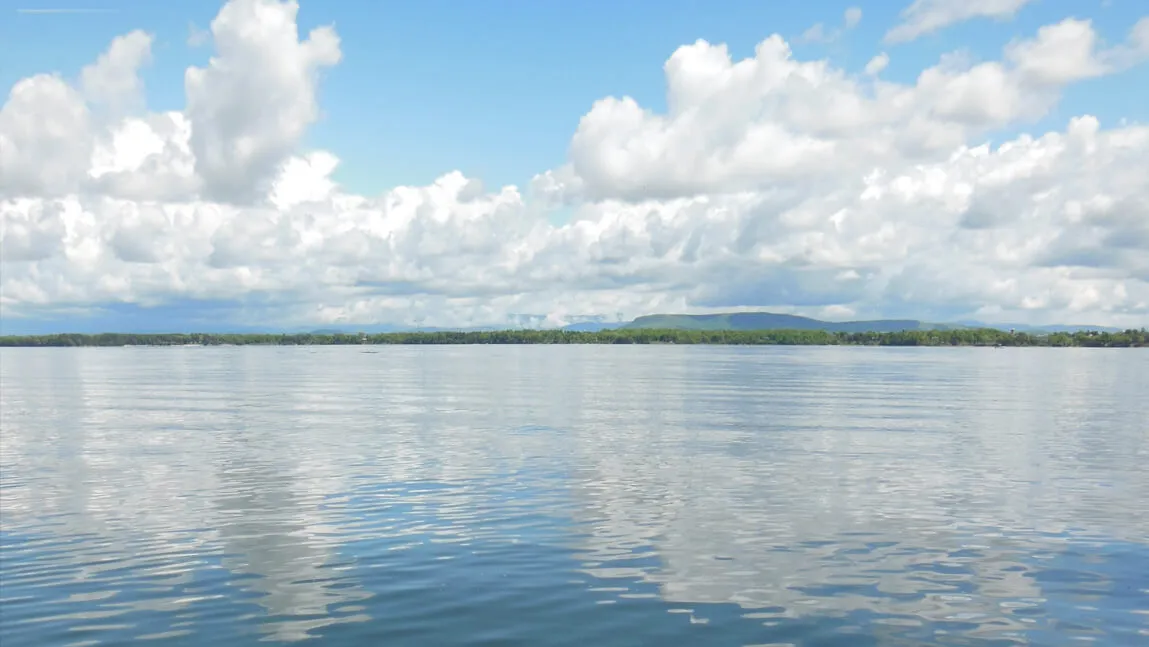
Burlington--A video series produced by the Lake Champlain Sea Grant Institute takes a deep dive into Lake Champlain's natural history, issues impacting its health and other lake-related topics.
Each of the 10 short videos addresses a different topic, including potential solutions for keeping the lake and its watershed healthy and how the public can help. The videos are close-captioned and may be viewed at https://go.uvm.edu/lakevideos.
Topics and program descriptions are as follows:
- Aquatic Invasive Species: Lake Champlain is home to more than 50 invasive aquatic plants and animals, including sea lampreys and zebra mussels. Find out what you can do to prevent the spread of these invaders and report sightings of new invasive species.
- Bass Tournaments and the Health of the World-Class Lake Champlain Bass Fishery: Biologist Mark Malchoff discusses why bass tournaments are important to the local economy, while weighing in on the potential negative impacts of these competitions on fish populations.
- Cyanobacteria: Blue-green algae (Cyanobacteria) blooms pose a health hazard to both swimmers and pets that enter the water. This video looks at the conditions that cause blooms, potential public health issues and how to recognize this toxic bacterium.
- Green Stormwater Infrastructure: Discover why rain gardens, bioretention systems and other green stormwater infrastructures are valuable options for stormwater management.
- Natural History of the Lake: Take a virtual visit to Lake Champlain to explore its natural wonders, geology and history, including the area's earliest inhabitants from First Nations to European settlers.
- Raise the Blade!: Changing the blade height on a mower can make a difference in preventing stormwater runoff, improving soil health and protecting water quality. Learn how in this informative video.
- Salt Use and Lake Water Quality: Sea Grant's Kris Stepenuck explains how salt (sodium chloride) keeps sidewalks and driveways free from snow and ice in winter and recommends ways to reduce salt use to protect property, pets and the environment.
- Sampling Swim Water: Routine sampling of water at public beaches to check for E. coli helps ensure a safe environment for swimming and water sports. Learn how officials take samples to test for the presence of E. coli, which is responsible for many beach closings in summer.
- The Tale of Two Gutters: This video examines the impact on water quality when rainwater from a roof gutter falls on a grassy lawn vs. an impervious surface such as a driveway and travels to a stream and then the lake.
- Thermal Stratification and Lake Turnover: Explore how thermal stratification and lake turnover through the seasons contributes to both the survival of aquatic organisms and healthier lake ecosystems.
Lake Champlain Sea Grant is a partnership between University of Vermont Extension, the State University of New York Plattsburgh and the National Oceanic and Atmospheric Administration. Visit www.uvm.edu/seagrant to learn more.