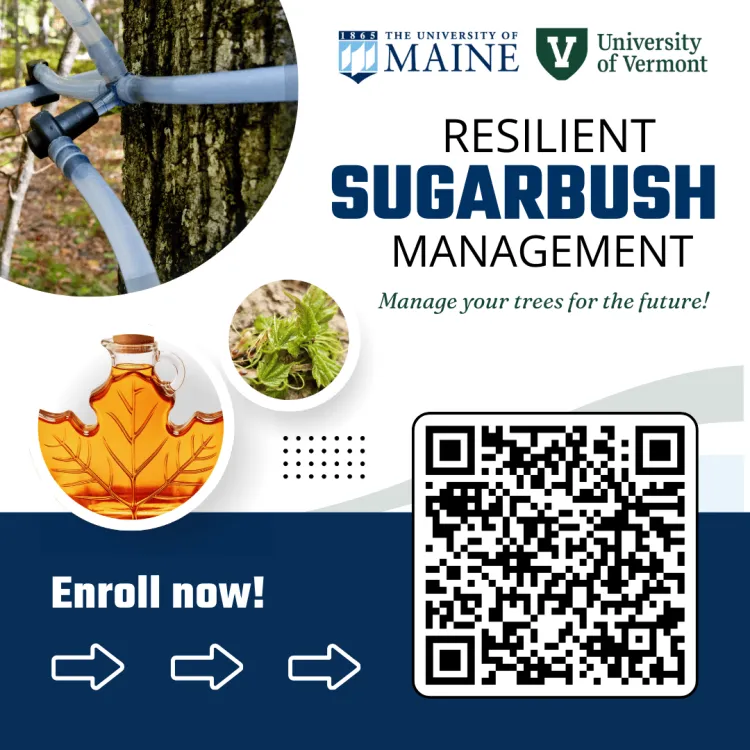
"Resilient Sugarbush Management Level 1" is the first of three micro-badge courses being developed collaboratively by UVM and UMaine educators. UMaine is a nationwide leader in microcredential courses that provide access to skills and knowledge to the public outside of a traditional university setting. Both institutions specialize in maple research, and UVM hosts the oldest maple research center in the world.
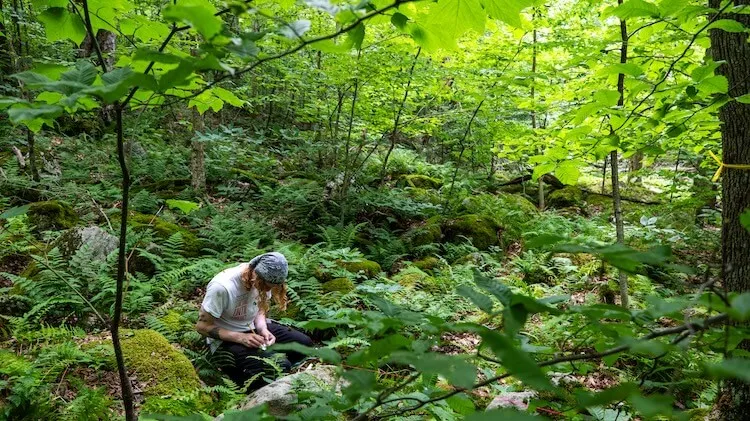
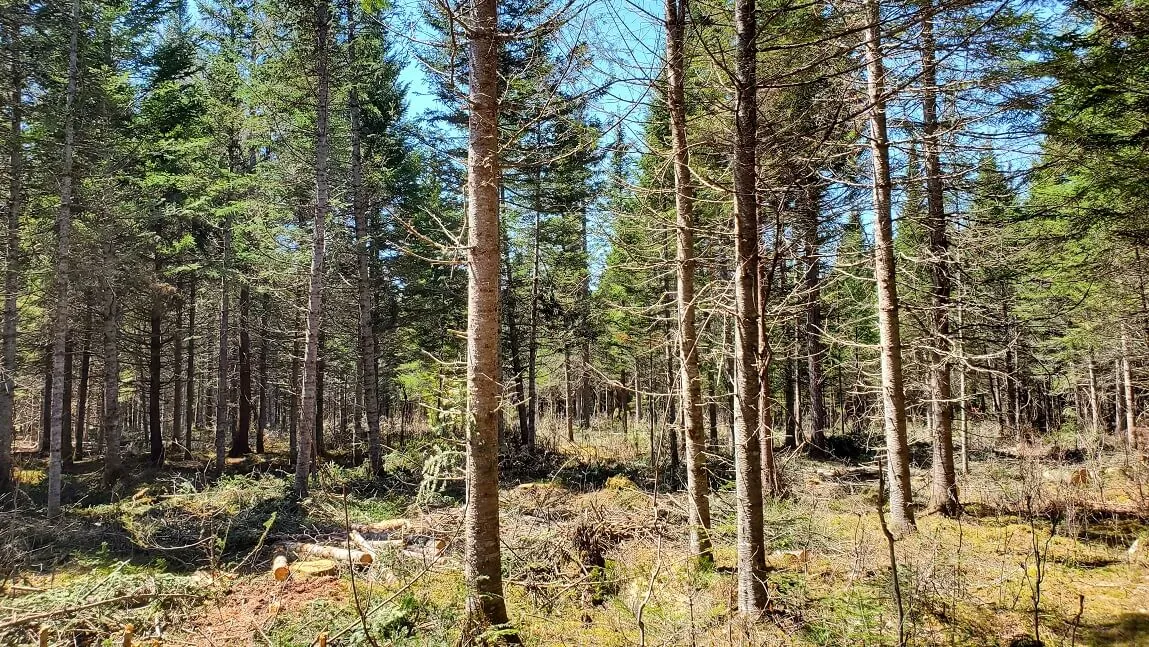
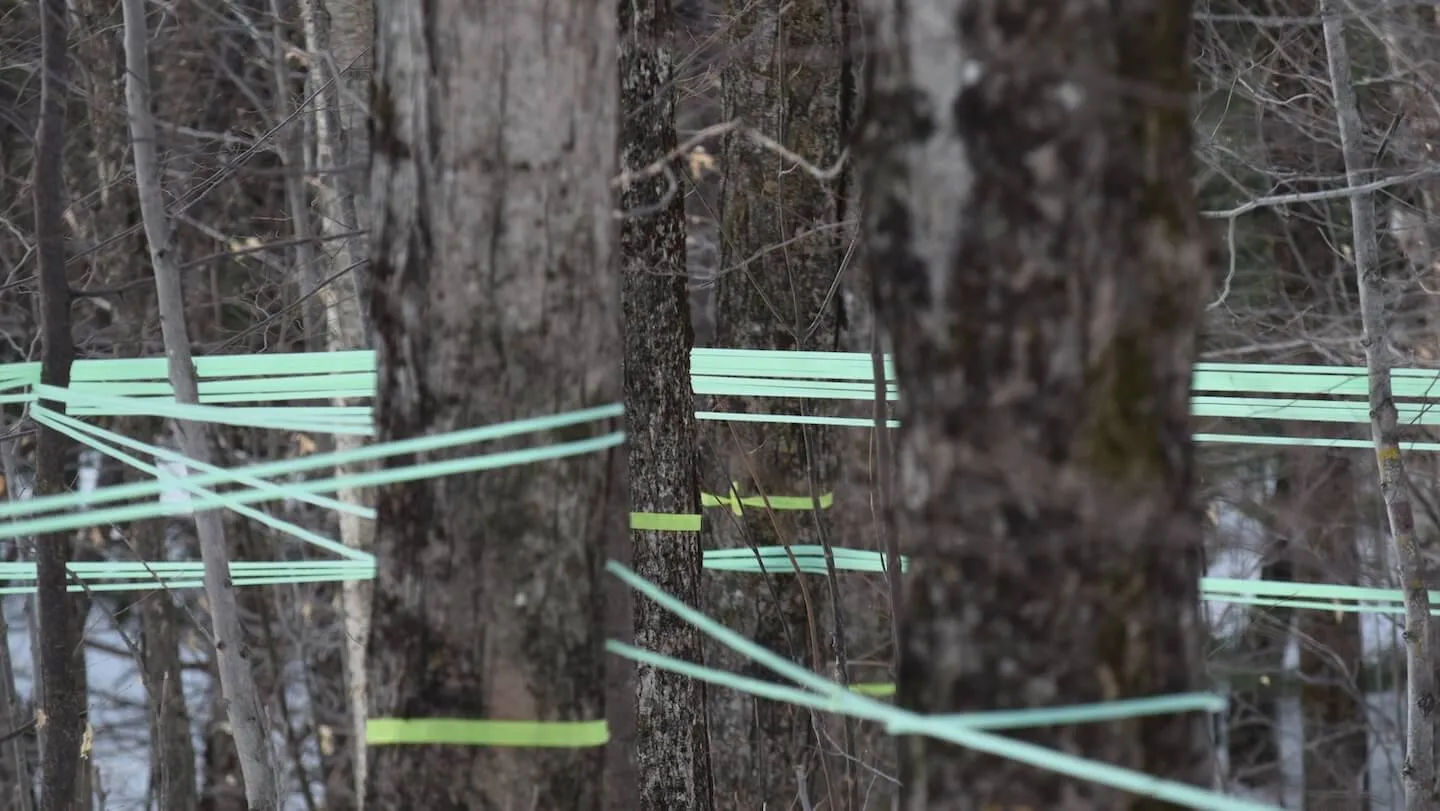
The Resilient Sugarbush Management course aims to better equip maple producers, forest landowners and natural resource professionals for climate change. Projected (and in certain cases, present) climate impacts on the maple industry include a shorter sugaring season, extreme weather events and pest and disease damage.
The Level 1 course will cover the current evidence-based knowledge available about climate change projections, maple tree physiology, climate effects on maple stands, and sources of credible data on the topic.
The next two courses, Level 2 and Level 3, are currently being built. When they're finished, the courses will guide learners through a climate risk assessment process. They'll also result in actionable adaptation plans to implement and record.
The course currently available, Level 1, is fully asynchronous, meaning it can be done at anytime, on any schedule, and it takes about 4 hours to complete. It incorporates video lessons, interactive activities and data tools that provide insight into how shifting weather patterns and long-term climate change may affect sap yield and sugarbush resilience.
Register today for $25: https://discover.maine.edu/product?catalog=Resilient_Sugarbush_Management
Learn more about the UVM and UMaine Extension partners working on this project:
- Forestry at University of Vermont Extension
- Maple at University of Vermont Extension
- Maple Syrup Production at University of Maine Cooperative Extension
- School of Forest Resources at University of Maine