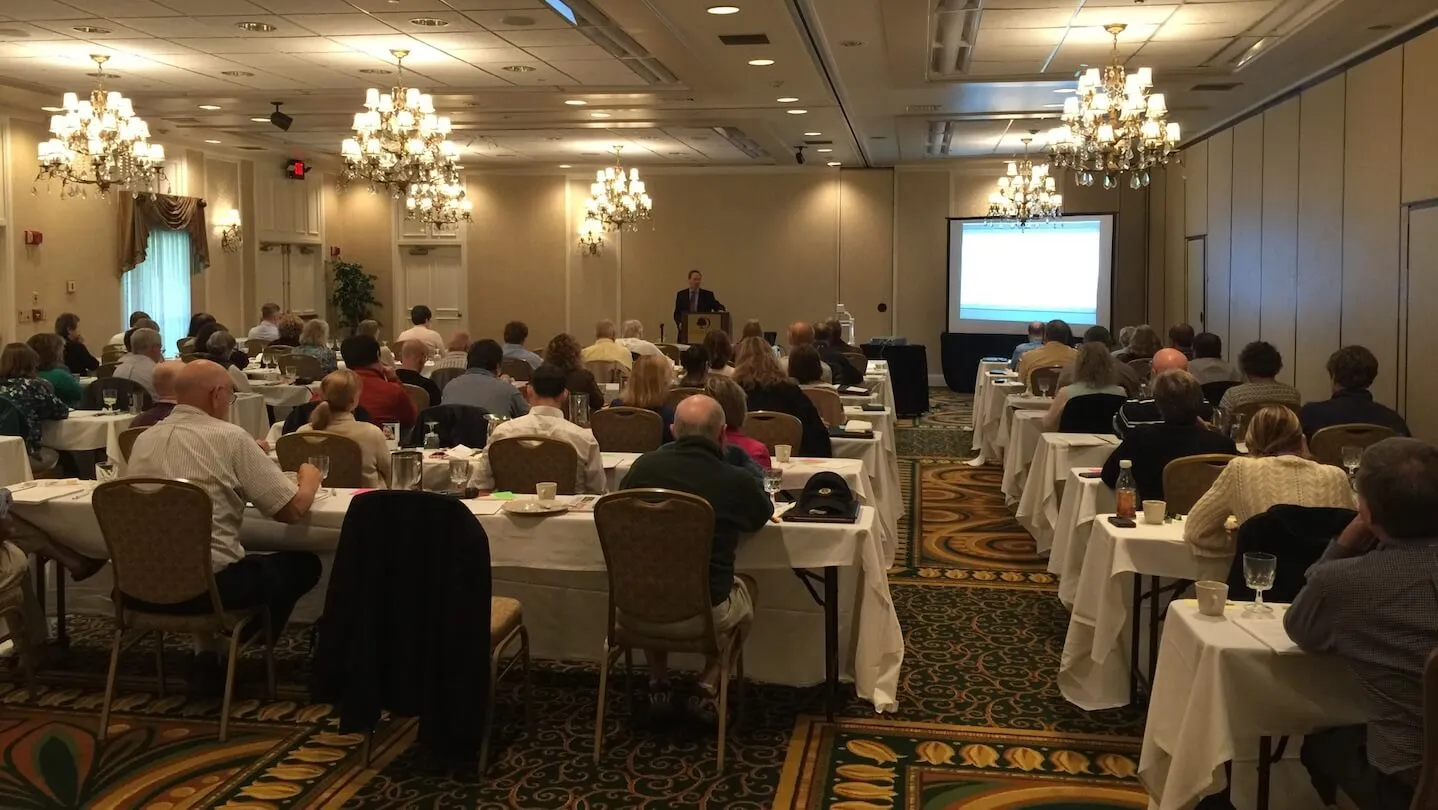
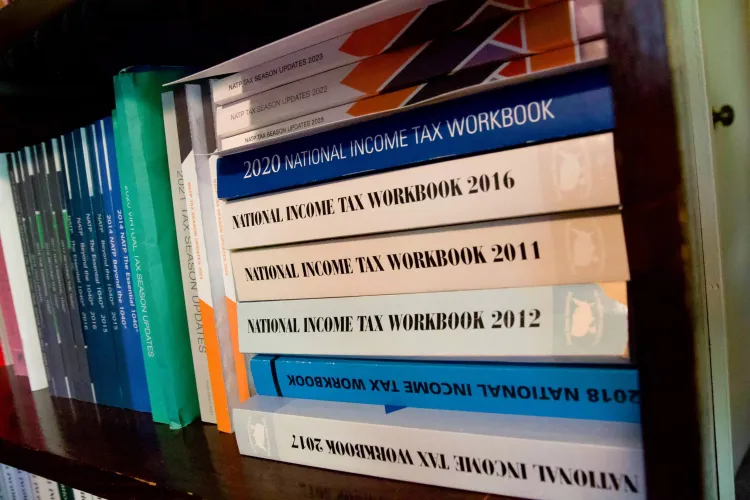
Almost immediately after, in late October and early November, Vermont tax professionals can start to prepare for the 2026 tax season at the UVM Extension-provided Tax School. There a dozen or so speakers will provide in-depth training on tax law and regulation. They'll be guided by the National Income Tax Workbook, which is published annually by the Land Grant University Tax Education Foundation.
Dates and locations for this year's Extension tax education programs:
- Oct. 21 Trust and Estate Tax Seminar, at Delta Hotels in South Burlington
- Nov. 3-4 Tax School, remote and in-person at Delta Hotels, South Burlington
- Nov. 10-11 Tax School, at Killington Grand, Killington
During these sessions, tax professionals can get caught up on what newer legislation like the 2025 One Big Beautiful Bill Act means for returns, ask questions of the Vermont Department of Taxes, attend a special ethics course, and add to their knowledge of things like small business retirement plans, gift tax returns, the probate and estate process and more. Anyone licensed as a Certified Public Accountant (CPA) or an Enrolled Agent (EA) also can also earn their required Continued Professional Education (CPE) credits.
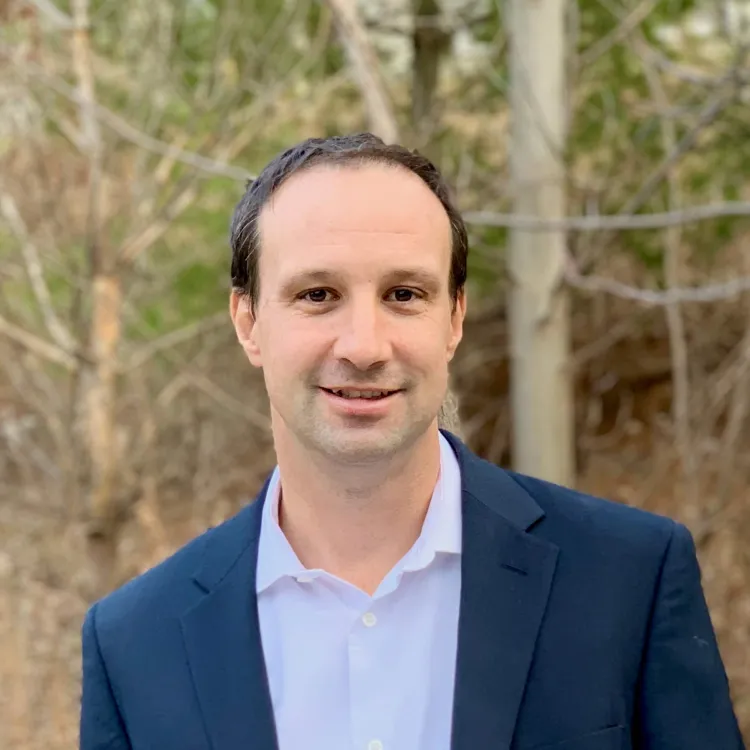
"We need continuing education," said Seth Anderson, the coordinator for UVM Tax School and an EA himself. "[Taxes are] really, really complicated, and it's never-ending learning."
The never-ending learning also applies to unlicensed tax professionals. They aren't required to do continuing education, but Anderson said they make up about half of the 300 or so Tax School audience members every year.
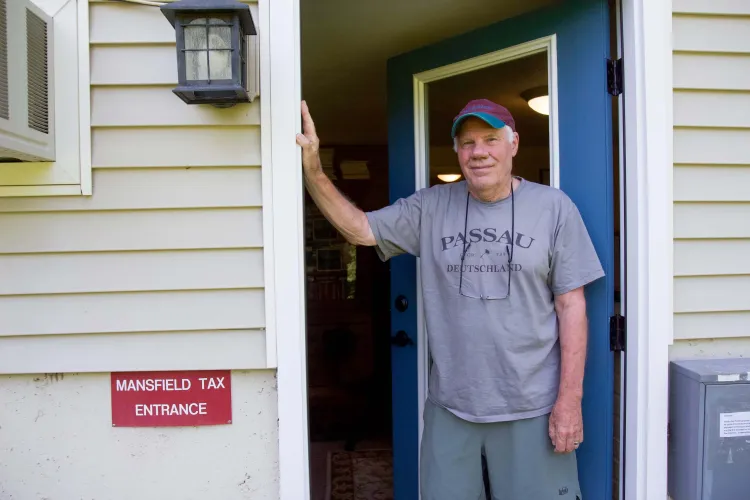
Among them is Laurence Beinert. He runs Mansfield Tax Service in Williston. He isn't a CPA or EA — he was actually a French teacher for Williston middle schoolers until he took his practice full-time in the late '80s. That's around the time the Tax School started, and Beinert has been attending every year since 1989.
"At first, back in the '80s and into the '90s, half of the teachers were IRS people," Beinert said. "IRS let them devote their time to it, and that was always very interesting to hear their perspective about things, and to get to meet them... that was a big benefit for us."
But eventually, the IRS stopped lending staff for teaching. So people like Beinert volunteered — for free. He taught at Tax School from 1995 to 2008, and now calls it a "real act of love."
"I was always the kind of teacher, even when I taught middle school, where I over prepared, 'cause I don't want to get stuck up there tongue-tied or without an answer," he said. "Even though the IRS people weren't teaching anymore, they would come. So, I wanted to know my stuff."
Beinert said this deep learning ended up being an asset. He also said it earned him credibility among his peers.
"There's a lot of collegial interplay there at the [Tax] School," he said.
As a venue for both relationship building and peer-to-peer learning, the Tax School has long aimed to provide what's most needed, when it's needed. In the beginning in the 1980's, that was helping farm families keep records and pay their taxes.
"But at some point it grew to professionals coming in," said Seth Anderson, the UVM Tax School Coordinator. "It basically grew into where it's the biggest Tax School in Vermont to all the professionals."
And as the tax code grows increasingly complex, both Anderson and Beinert said the knowledge the Tax School provides to tax professionals is essential for filing returns correctly each year.
"If I were a Vermonter who wanted to have my taxes done, I would really like my tax person to have some sort of training, some sort of continuing ed, some sort of ethics, so that I don't get in trouble," Beinert said.
Registration for UVM Extension's 2026 Tax School and the Trust and Estate Tax Seminar is now open. Sign up by Sept. 17, 2026 for the lowest sign-up fee. Fees increase for later registration.