Hydrangeas are deciduous shrubs. Some have leaves or flowers that change color as temperatures cool in autumn. They grow well in part shade to full sun in northern climates, with morning sun preferable. They like rich, moist (but not wet) soil and can benefit from supplemental watering during hot, dry weather.
You may have heard that hydrangeas grow on old wood—or new wood. Their flowers are white, or perhaps pink or blue—or that you can change the color of the flowers by amending the soil to make it more acid or more alkaline. While these things may be true (or not), the first thing you need to know about growing hydrangeas is the type of hydrangea you want to grow.
Smooth hydrangeas (Hydrangea arborescens) are also called wild hydrangeas. They are native to the eastern and central United States and hardy in U.S. Department of Agriculture Plant Hardiness Zones 4 to 7, with some varieties hardy to Zone 3. They produce flowers on new wood (this year’s growth), so prune in late winter or early spring before new growth appears. Flowers form in large clusters of pale green, changing to white as they mature.
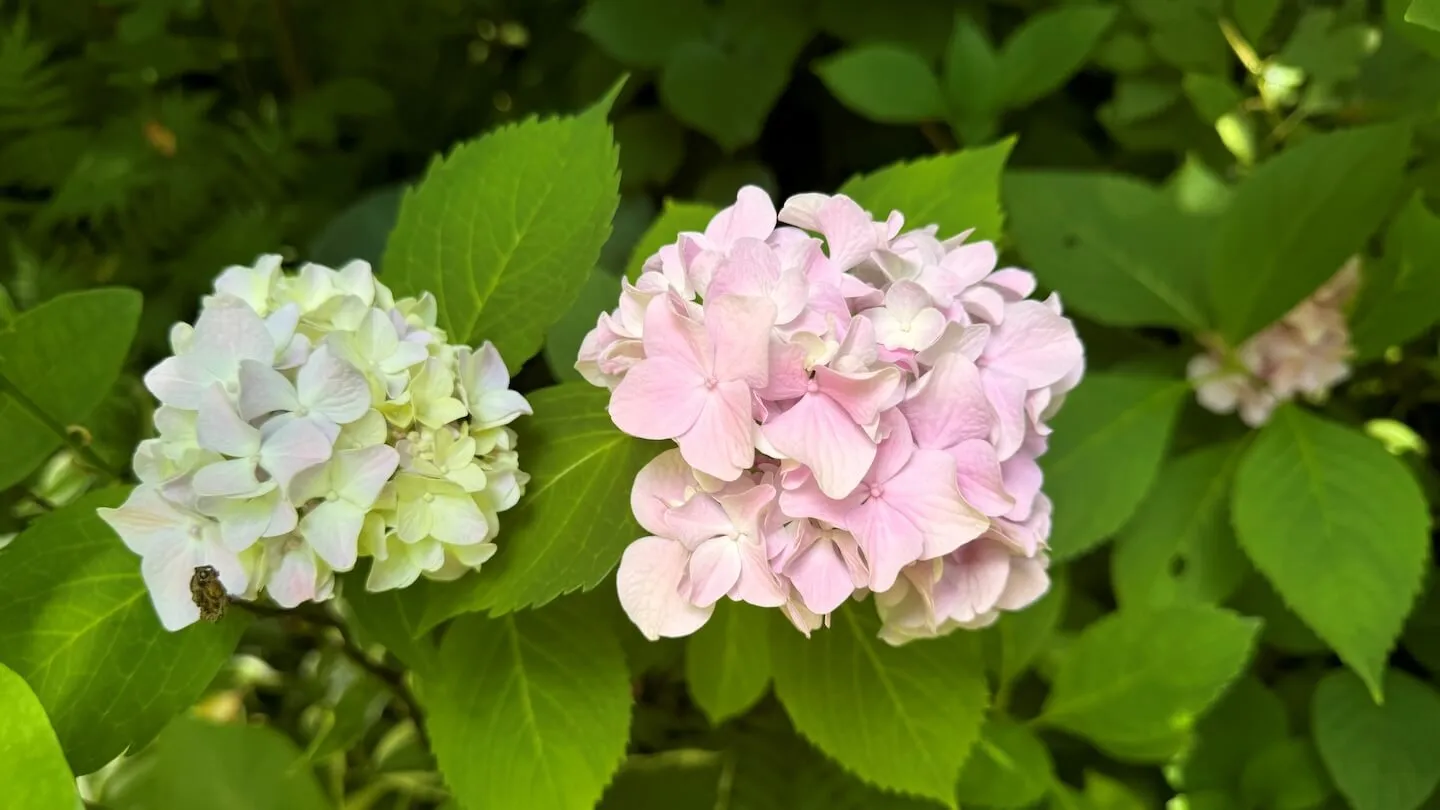
Bigleaf hydrangeas (Hydrangea macrophylla), also known as French hydrangeas, are the most common hydrangea grown in the United States. Their flowers will change color depending on the pH of the soil. In acidic soil, flowers will be blue. In alkaline soil, flowers will be pink. Bigleaf hydrangeas are hardy in Zones 5 to 9. Since they bloom primarily on old wood, winter dieback may mean no flowers. Consider planting these hydrangeas in an area protected from harsh winds and provide winter protection. Bigleaf hydrangeas include mountain hydrangeas (Hydrangea macrophylla serrata) which are hardier than other bigleaf hydrangeas, mophead hydrangeas (Hydrangea macrophylla), and lacecap hydrangeas (Hydrangea macrophylla normalis).
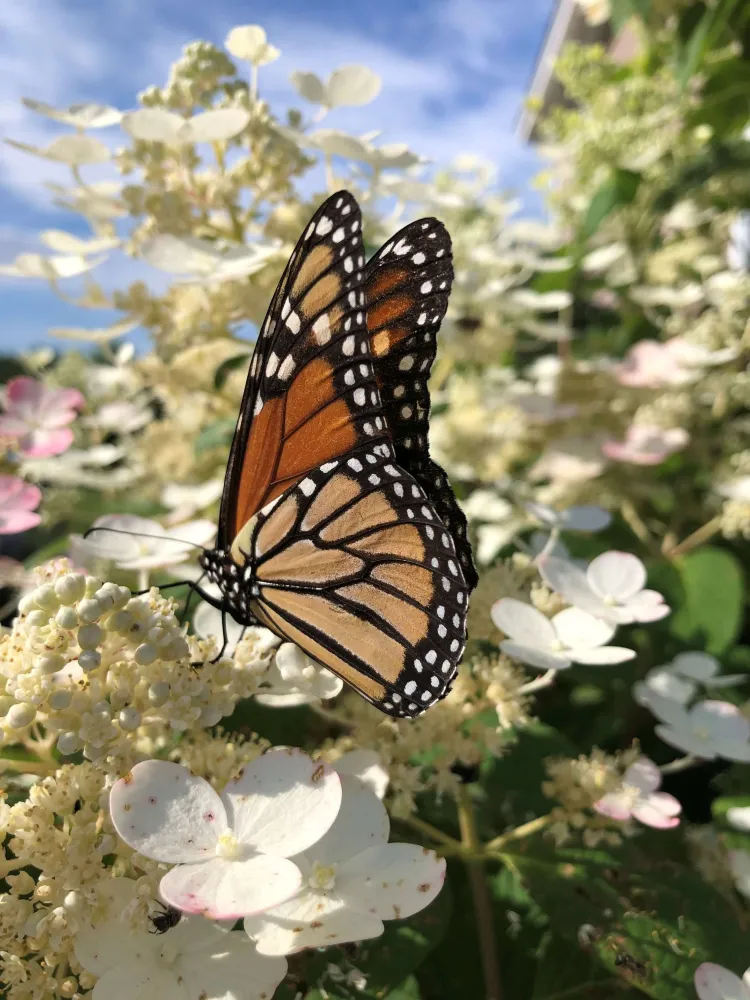
Panicle hydrangeas (Hydrangea paniculata) are the most cold-hardy hydrangeas (Zones 3 to 7). They bloom on new wood and bear large, cone-shaped, white flower heads that change to pink as the season progresses.
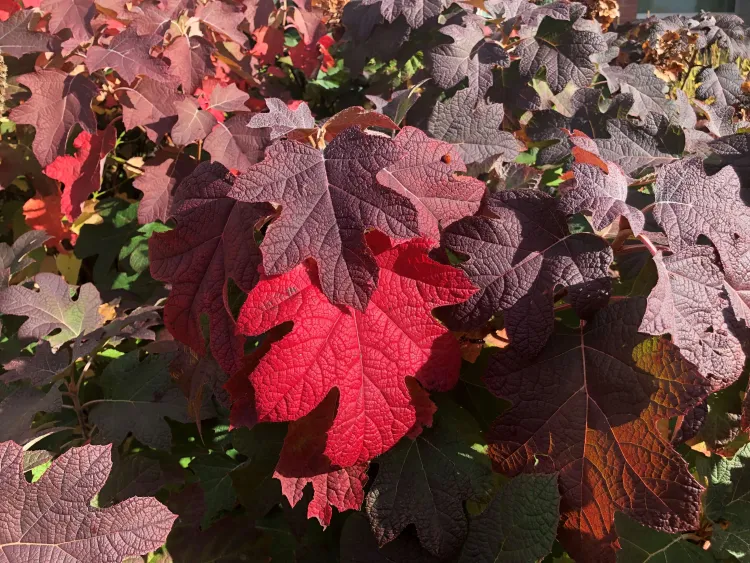
The leaves of oakleaf hydrangeas (Hydrangea quercifolia) resemble those of an oak tree, making this type of hydrangea relatively easy to identify. Depending on the variety, in autumn leaf color will change to shades ranging from red to purple. They’re native to the southeastern United States and hardy in Zones 5 to 9. Oakleaf hydrangeas bloom on old wood and may not flower after a harsh winter. Shelter from strong winds and consider winter protection in colder zones.
For something a bit different, consider climbing hydrangeas (Hydrangea anomala petiolaris). This woody vine can grow over 30 feet, so it’ll need a sturdy structure for support. It’s hardy in Zones 4 to 8. While it can take a while to get established, it produces lacecap-type flowers and will bloom in the shade. Once established, climbing hydrangeas can be quite vigorous. Plant them away from walls that their aerial roots may damage. Prune to keep their size and weight under control.
If your hydrangea isn’t blooming, the problem might be pruning at the wrong time. If it blooms on old wood, flower buds form shortly after flowers fade, so pruning should be done soon after flowering. For those that flower on new wood, buds form on the current year’s growth, so pruning should be done in late winter or early spring before new growth and buds form. Pruning to remove damaged or diseased branches can be done at any time.
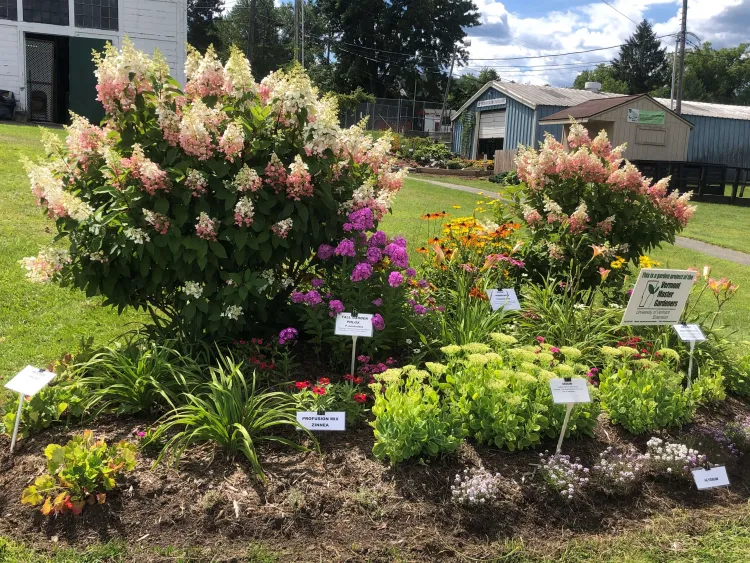
With so many varieties available and their long bloom time, it’s no wonder hydrangeas are such a popular addition to the garden.
For answers to your home gardening questions, contact the University of Vermont Extension Master Gardeners Helpline online at https://go.uvm.edu/gardenhelpline or by phone at 802-656-5421 on Thursdays from 9 a.m. to 12 p.m..