Before you set foot in the garden, sort through your garden tools and other equipment. Make a list of items you need to replace (such as broken tools) or need more of (like plant supports or tomato cages). Clean and sharpen tools so that they’re ready to use when needed.
Take a walk around your yard and garden to check for surprises winter may have left behind. Gather up fallen limbs, along with litter or debris that may have blown in during winter storms, to tidy things up. Broken, damaged, or diseased branches on trees or shrubs should be removed before they cause further damage.
If you don’t already have one, this is a great time to start a compost pile. Whether you want to create a simple pile in a corner of the yard for vegetative waste from your spring cleanup or prefer something tidier like compost bins, select and define an area for composting. See https://go.uvm.edu/thedirtoncompost to help get started. Spring cleanup of the remains of last year’s garden, fallen leaves, and early sprouting weeds will likely generate plenty of material to compost over the coming weeks. Never add diseased plant material or seed heads from weeds to your compost pile.
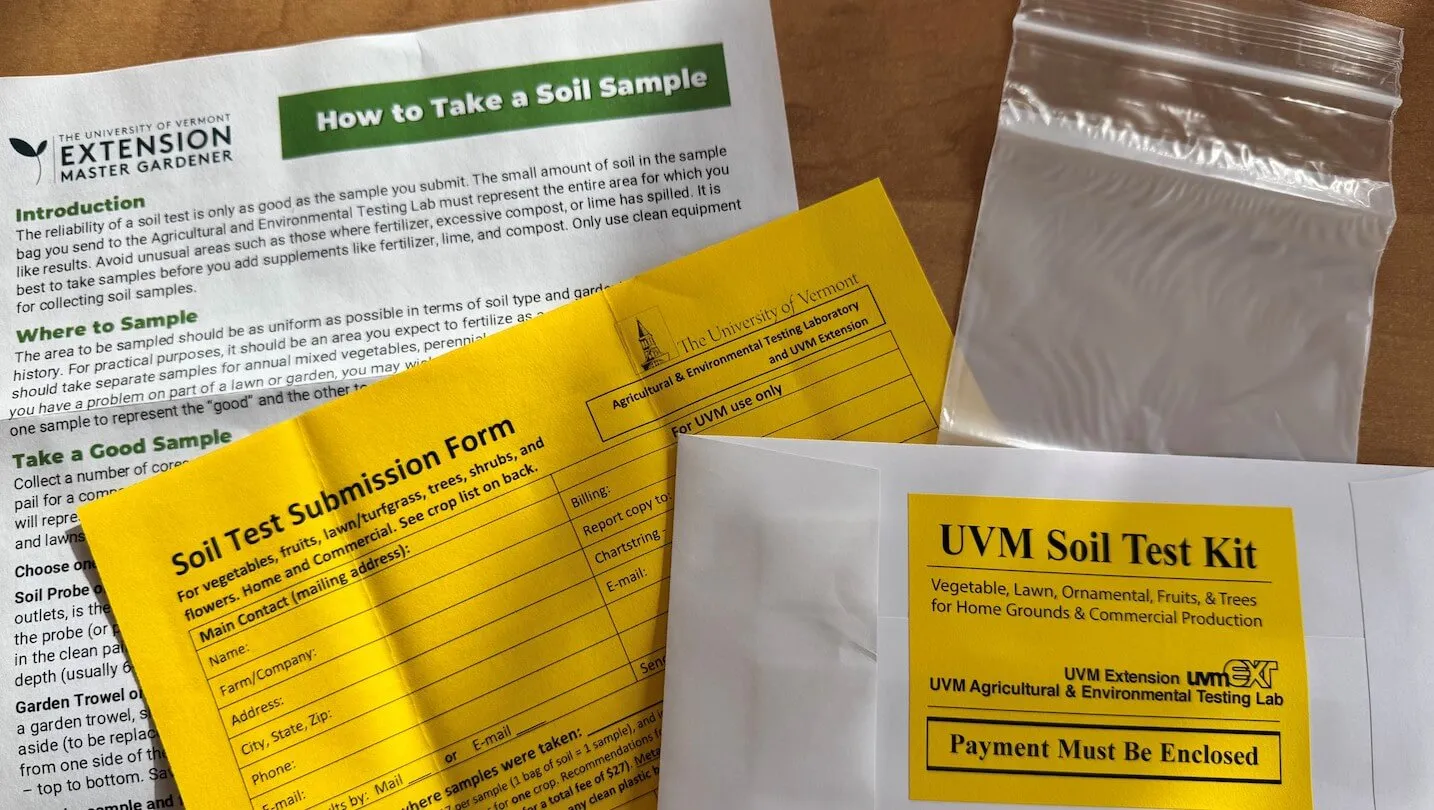
After the ground thaws, collect a soil sample and send it for a professional soil test. It’s easy and inexpensive to do. The results will provide you with invaluable information regarding your garden’s soil, including available nutrients and recommendations for soil amendments and fertilizers. See https://go.uvm.edu/soiltest for more information on obtaining a soil test.
Once you have the results of that soil test in hand, you can obtain any recommended soil amendments. Wait to apply them until excess water in the garden has drained or dried up before digging or turning the soil. Working soil that’s too wet can compact the soil and destroy its structure, making it difficult for plants to grow.
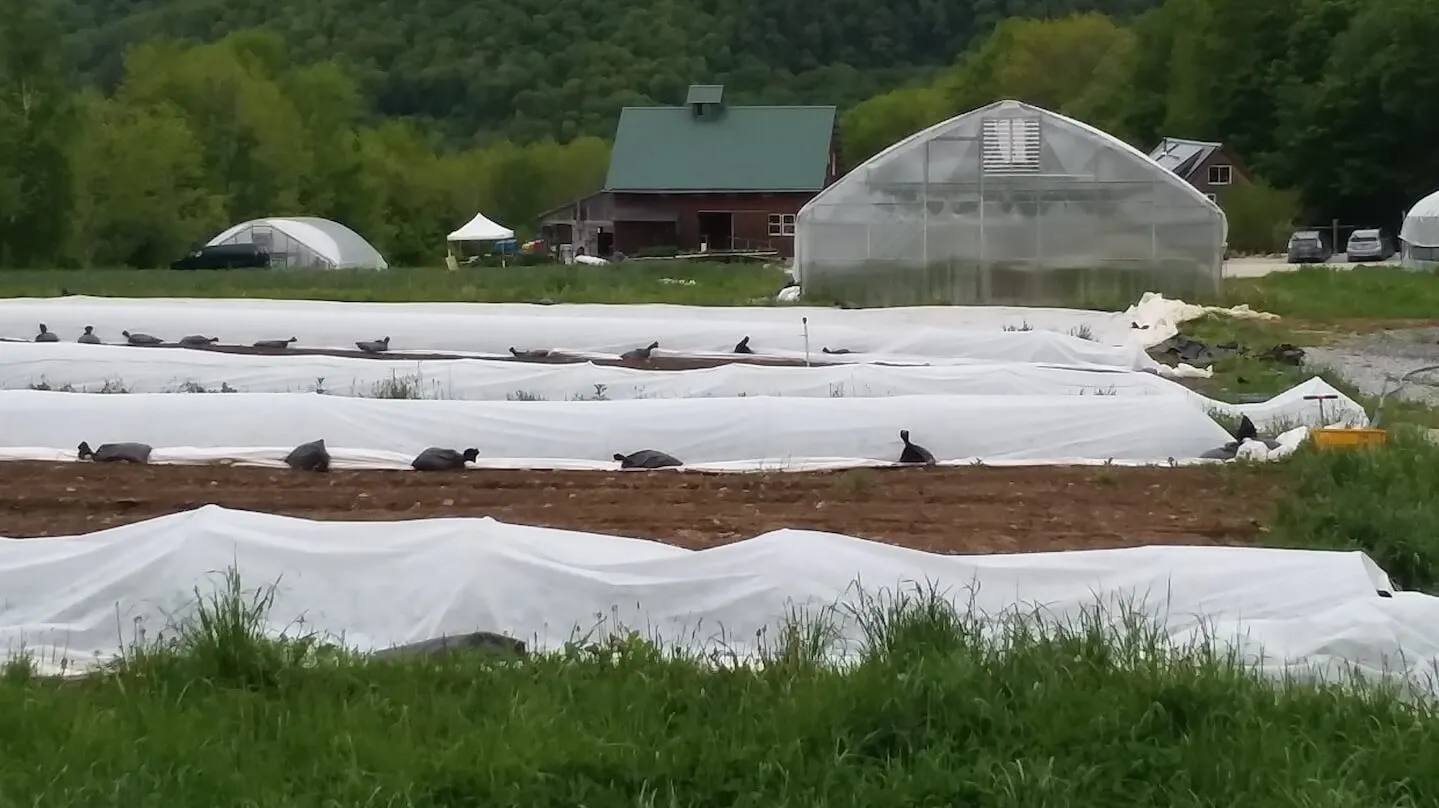
If you’re going to start new beds or reclaim an area overrun by weeds, consider smothering weeds using solarization or occultation to make the job easier. This involves trimming back grass or weeds close to the soil surface, then covering the area with a secured tarp. See http://go.uvm.edu/gardentarping for details on these techniques.
Refreshing mulch in perennial beds can help reduce germination of weed seeds. It also makes pulling any weeds that do appear easier. The earlier in the season you start dealing with weeds, the less time you’ll need to spend weeding later on.
Consider starting a garden journal to keep track of important dates and observations in your garden, and supplies ordered, as well as planting and harvest information. Details that seem memorable now will fade as the season progresses, and you’ll likely find yourself wishing you’d made note of specifics such as how many yards of mulch you ordered and whether you need to order more (or less) next time. Visit https://go.uvm.edu/gardenjournalessentials to learn more about keeping a garden journal.
The arrival of spring brings with it all the possibilities of a new year in the garden. Get these tasks done early, and you’ll have more time to enjoy your garden.
For more information on any of these ideas or for answers to home gardening questions in general, contact the University of Vermont Extension Master Gardener Helpline at https://go.uvm.edu/gardenhelpline where volunteers are ready to help.