The U.S. Department of Agriculture defines IPM as “a sustainable approach to managing pests by combining biological, cultural, physical, and chemical tools in a way that minimizes economic, health, and environmental risks.” For gardeners, this means using multiple strategies to either avoid pests or keep their numbers below damaging levels. IPM also recognizes the need for some tolerance. Because they are living things that adapt, it is rarely possible (or advisable) to eliminate pests entirely.
Here are some ways gardeners can incorporate IPM practices into the garden. You may already be using some.
IPM begins with proper site selection and soil health. The goal is to give plants the best conditions for optimal growth and development. A healthy plant will be more resilient to insect pests and diseases. Choose the right plant for the right location and select plants that are suited to Vermont’s growing conditions. Also consider disease-resistant varieties to avoid common diseases like powdery mildew.
Make sure your soil nutrients are in the optimal range for plant needs. A soil test can help determine this. Visit: go.uvm.edu/soiltest for soil testing information.
Become a plant sleuth. Before taking action, it is important to determine what pests (and beneficials) are present. Knowing what pests look like at each stage of their development can help determine when your management strategies will be most effective.
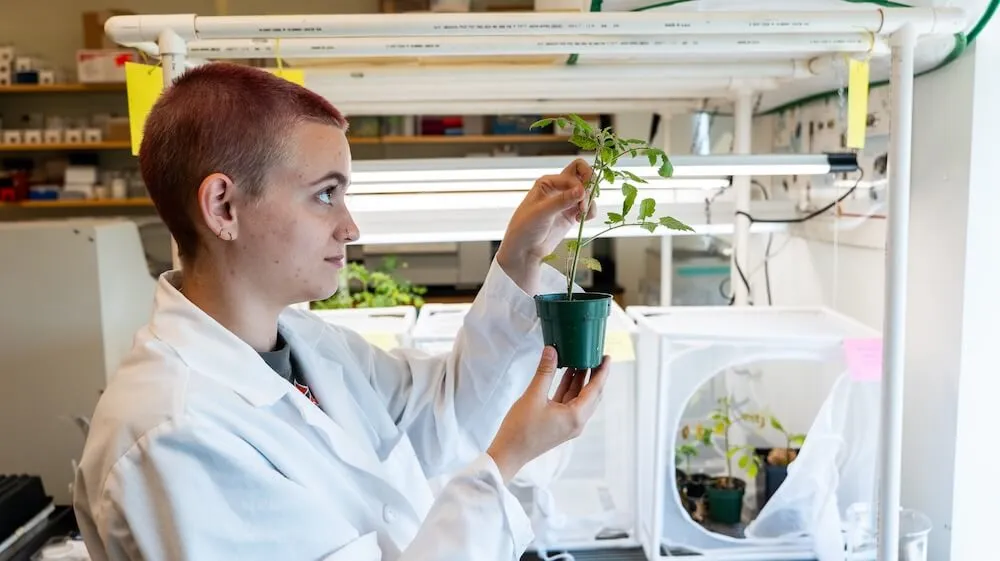
Regularly monitor plants, especially the undersides of leaves, for signs of pests or damage. Early identification can often help prevent the need for chemicals later. You can practice sleuthing, also called scouting, for both indoor and outdoor plants. A hand lens can help, as can monitoring tools like insect traps. For example, yellow sticky traps can be used to detect fungus gnats in houseplants.
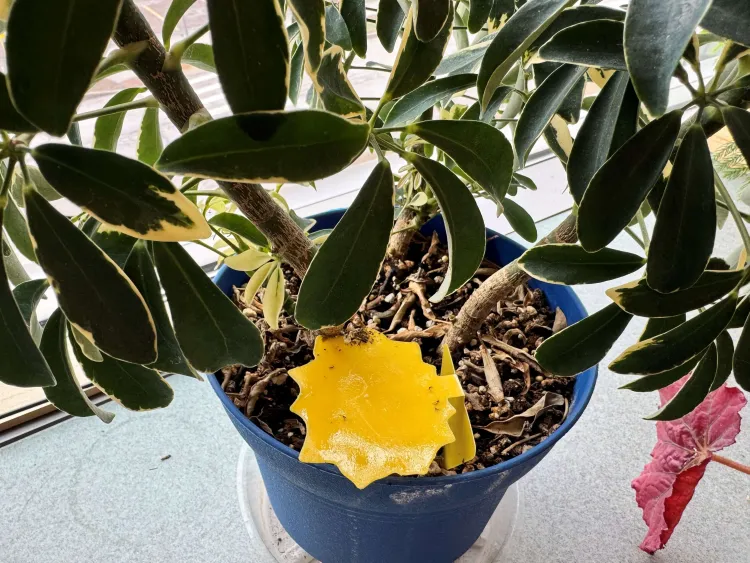
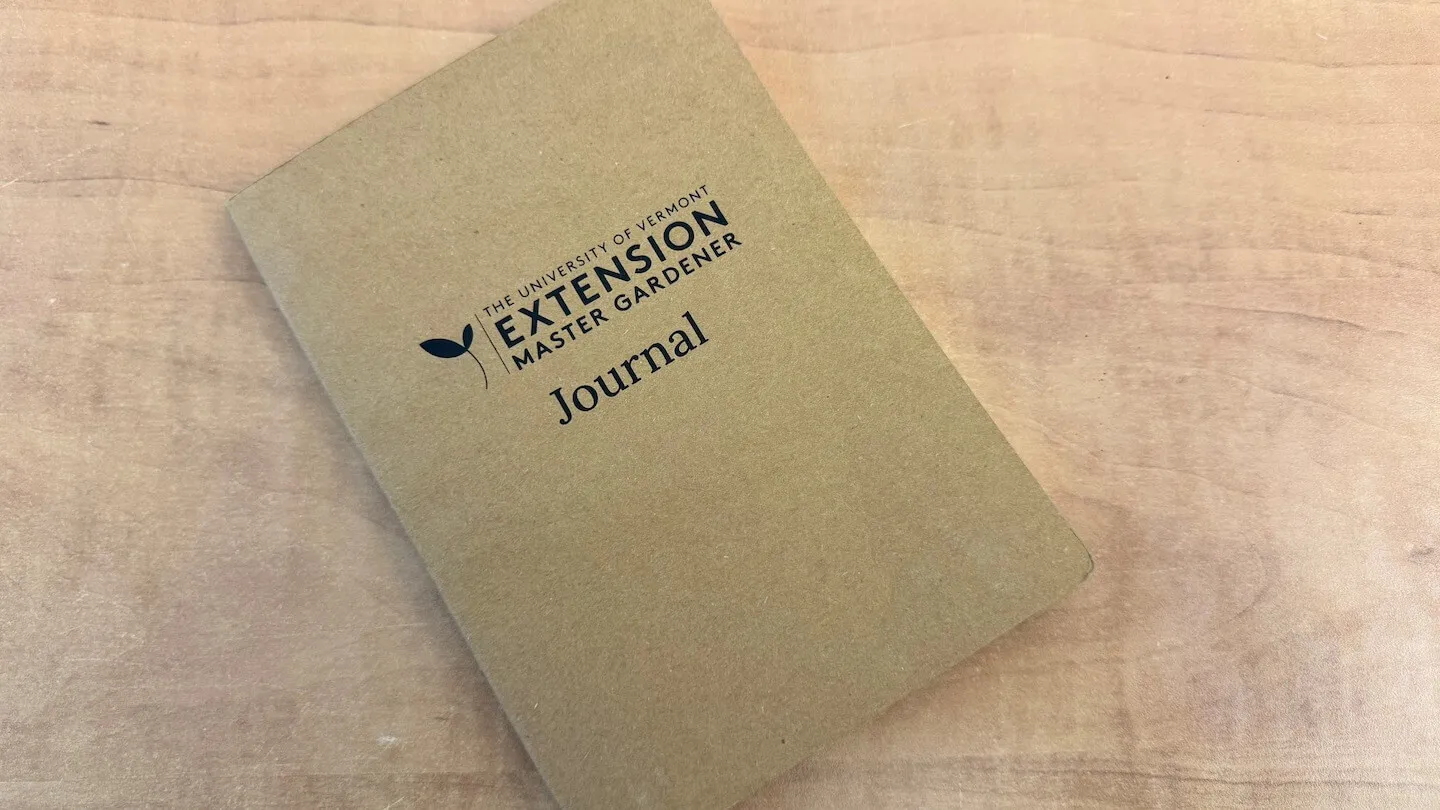
If you plan to garden every year, consider keeping a journal that details when and where pests are spotted. Over time, these notes can help you predict recurring pest problems.
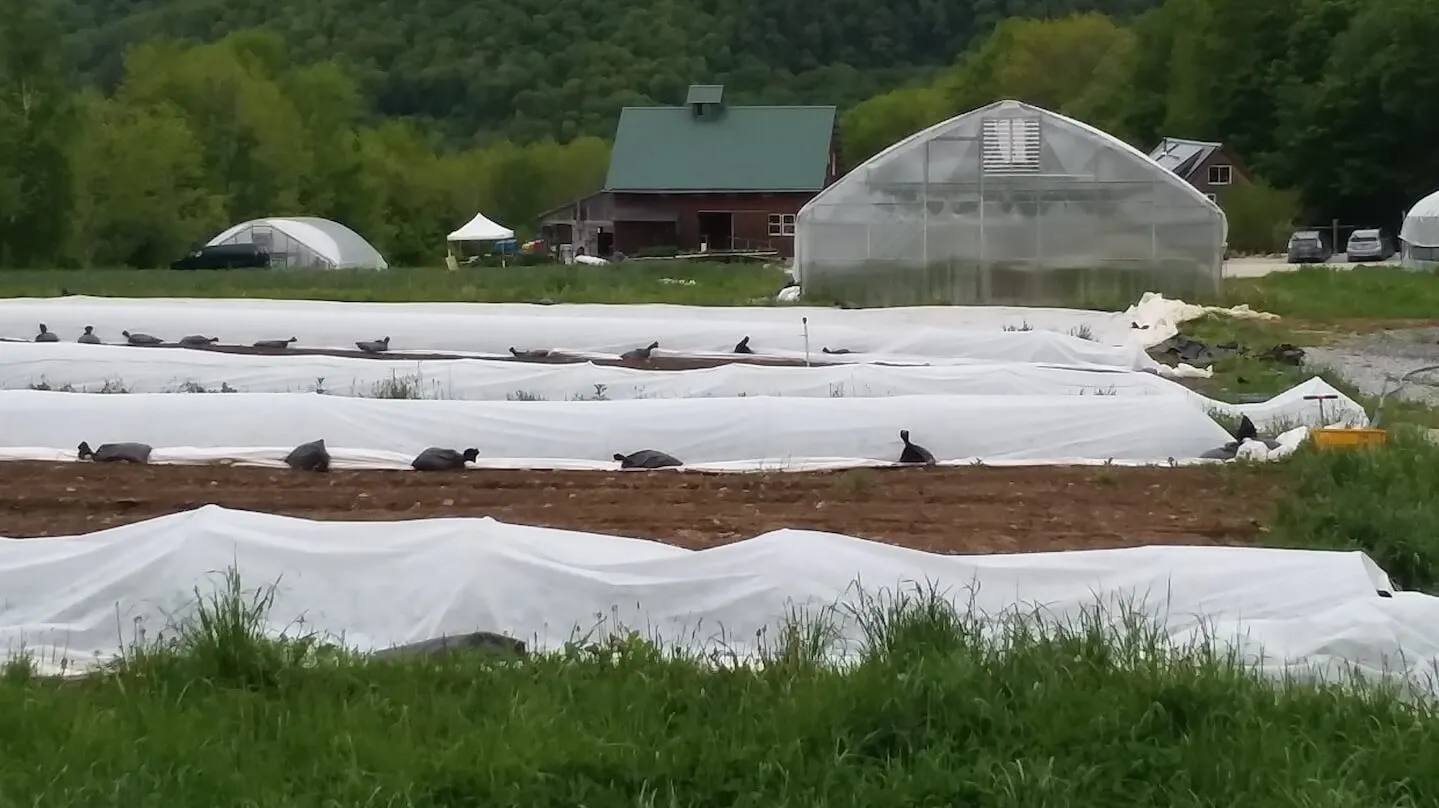
Once pests are detected (or anticipated), gardeners have many tools to choose from. These include hand-picking eggs and young caterpillars of pests. Gardeners can use floating row covers to exclude pests from the garden. Space plants and prune them to allow for plenty of air flow and sun to dry leaves to minimize disease problems. Timing your annual plantings to avoid peak pest pressure can also be effective.
Some pests can be managed by trapping them, while some diseases can be managed with timely pruning of infected parts.
Gardeners can also encourage beneficial insects or “good” bugs like lady beetles that feed on pests. Installing plants that provide habitat can support these natural predators. Allowing small pest populations to exist can actually help maintain the natural predators that keep the pests in check. Accepting minor cosmetic damage can save time, reduce pesticide use, and support a healthier garden ecosystem.
Pesticides should only be considered as the very last resort. Always read and follow the product label to avoid harm to the plant, beneficial organisms, and yourself. When selecting these products, compare active ingredients and choose the least toxic option. Soaps, oils, clays, microbials, and repellents are all examples of pesticides that tend to be less-toxic choices.
IPM recognizes that pests are a natural part of garden ecosystems. By combining prevention, monitoring, and thoughtful intervention, gardeners can protect their plants while supporting healthier landscapes for people, pollinators, and the planet.
Contact the UVM Extension Master Gardener Helpline at: go.uvm.edu/gardenhelpline if you need ideas about IPM strategies to implement in your lawn or gardens.