CS Research Centers and Institutes
Vermont Complex Systems Institute (VCSI)
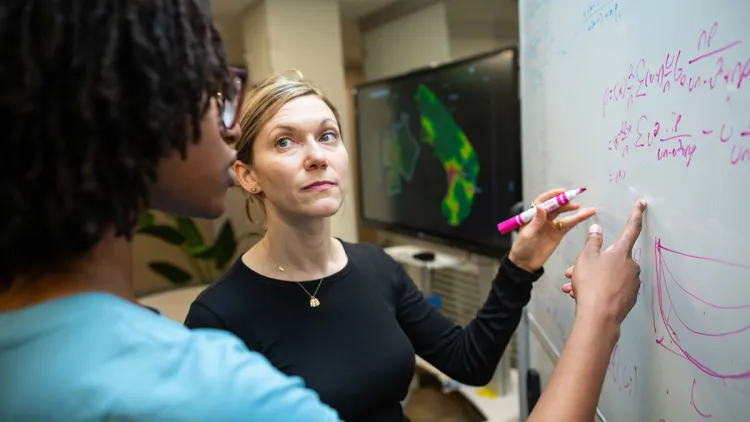
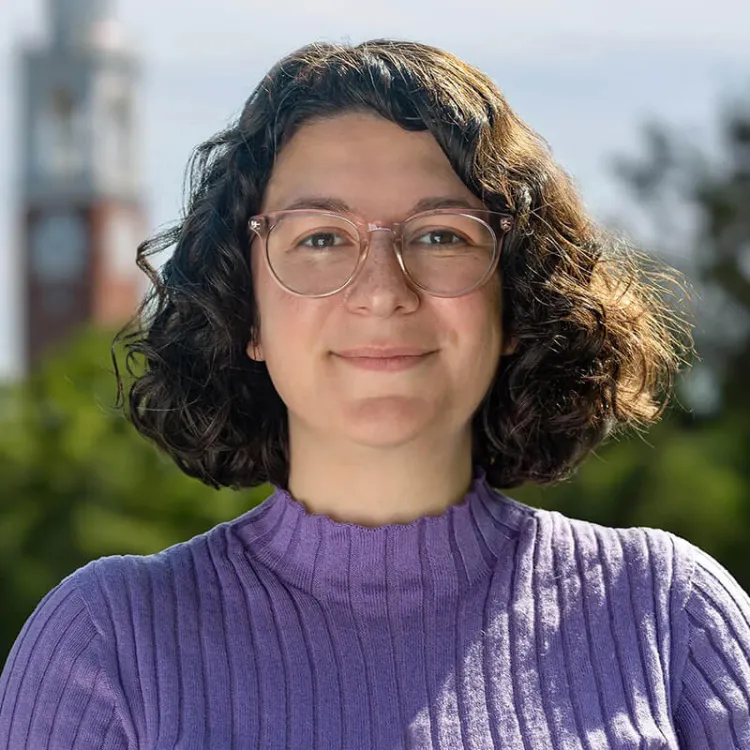
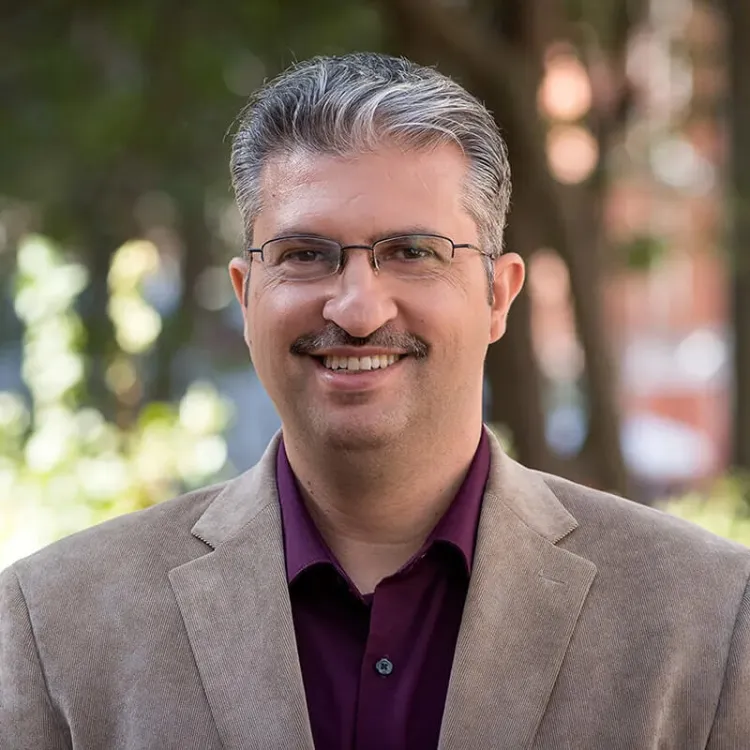
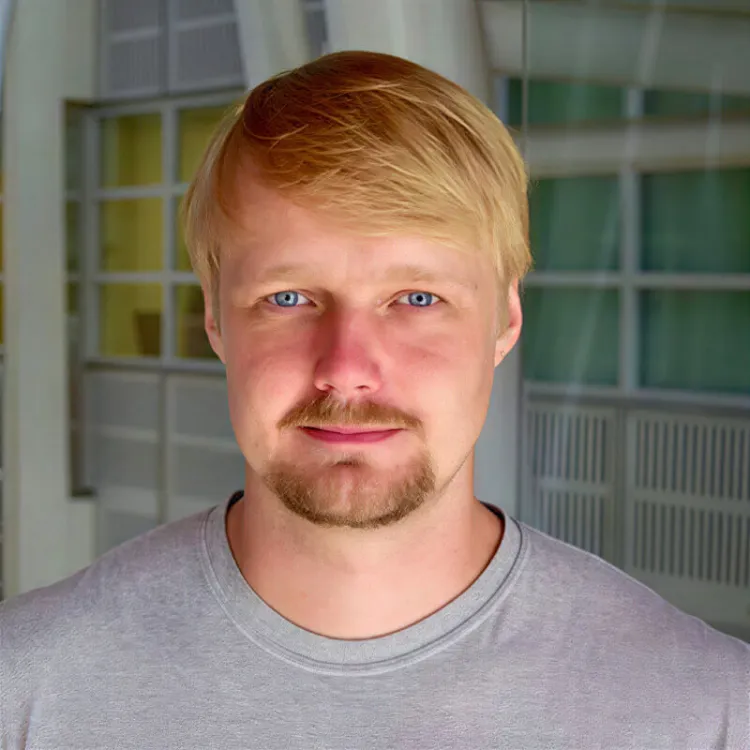
The Vermont Complex Systems Institute brings together researchers who use computational approaches to understand complex systems and the relationships among their many interconnected parts. Drawing on computer science, data science, mathematics, and network science, VCSI researchers develop computational models, analyze large and complex datasets, and use simulations to explore how systems evolve and behave. Research spans areas including artificial intelligence, complex networks, computational modeling, and machine learning, with applications ranging from social and environmental systems to healthcare, transportation, and engineering.
Research Areas:
- Complex systems
- Data science
CS Faculty: | ||
|---|---|---|
| 
| 
|
| 
| 
|

| 
| 
|
| ||
Center for Computer Security & Privacy (CCSP)

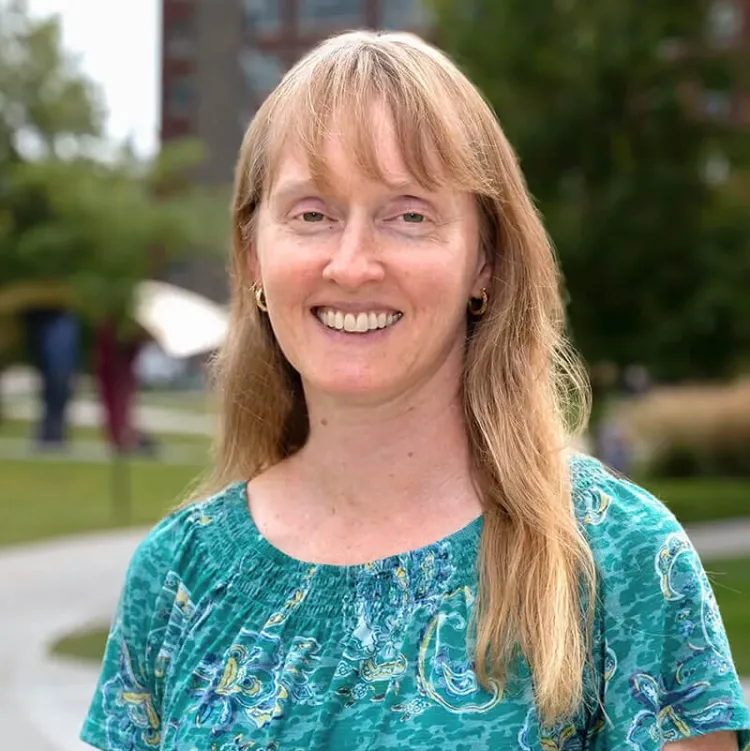
The Center for Computer Security and Privacy advances research in the technologies and methods needed to protect computer systems, digital information, and individual privacy. Its faculty investigate a range of critical computer science challenges, including data privacy and differential privacy, cryptography, secure and distributed computing, programming language security, and software verification. The Center also explores the human dimensions of digital security, developing more understandable and accessible privacy protections. Through fundamental research, technology development, and student engagement, CCSP is helping shape the future of secure and trustworthy computing.
Research Areas:
- Cybersecurity
- Privacy
CS Faculty: | ||
|---|---|---|

| 
| 
|
|
|
| |
Institute for Computationally Designed Organisms (ICDO)
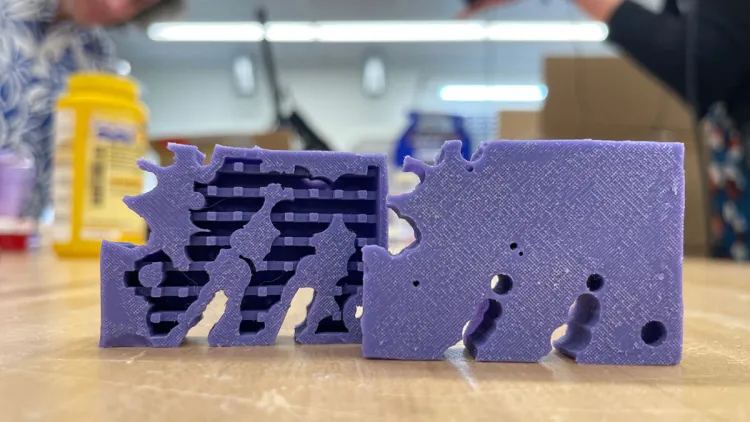
The Institute for Computationally Designed Organisms explores the intersection of artificial intelligence, computer science, and biology to develop entirely new forms of living machines. Building on advances in computational design, machine learning, and evolutionary algorithms, researchers create computer-generated designs that can be realized using living cells. This work is helping establish a new field in which computational systems can design biological structures capable of movement, adaptation, and self-repair. Led in part by UVM Computer Science Professor Josh Bongard, ICDO researchers are investigating new possibilities for robotics, medicine, and our understanding of intelligence and living systems.
Research Areas:
- AI
- Robotics
- Synthetic biology
CS Faculty: | ||
|---|---|---|
|
|
|
|
Vermont Advanced Computing Center (VACC)

The Vermont Advanced Computing Center provides the high-performance computing infrastructure and expertise that enable UVM researchers to tackle computationally intensive problems. Its powerful computing clusters support large-scale data analysis, complex simulations, artificial intelligence, and machine learning, allowing researchers to undertake projects that would be impractical using conventional computing resources. VACC also provides technical support, research computing consultation, and programming assistance to help faculty and students make effective use of advanced computing technologies. As a critical resource for computational research at UVM, VACC helps expand the possibilities of discovery across computer science and numerous other fields.
Research Areas:
- High-performance computing
CS Faculty: | ||
|---|---|---|
|
| ||
Vermont Research Open Source Program Office (VERSO)
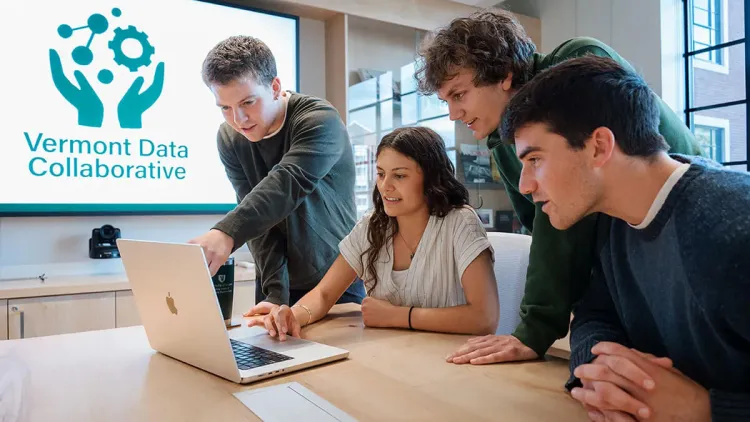
The Vermont Research Open Source Program Office supports the development, use, and sharing of open-source software and research tools at UVM. VERSO helps researchers and students build sustainable, collaborative software projects through technical guidance, education, fellowships, and connections with open-source communities. Its work includes supporting software development practices, improving the accessibility and reproducibility of research tools, and creating opportunities for students to contribute to real-world technology projects. By fostering an open and collaborative approach to computing, VERSO helps strengthen UVM's research software ecosystem while extending the impact of university-developed technologies to communities beyond campus.
Research Areas:
- Open-source software
CS Faculty: | ||
|---|---|---|

|
| |
CS Research Labs
Computational Ethics Lab
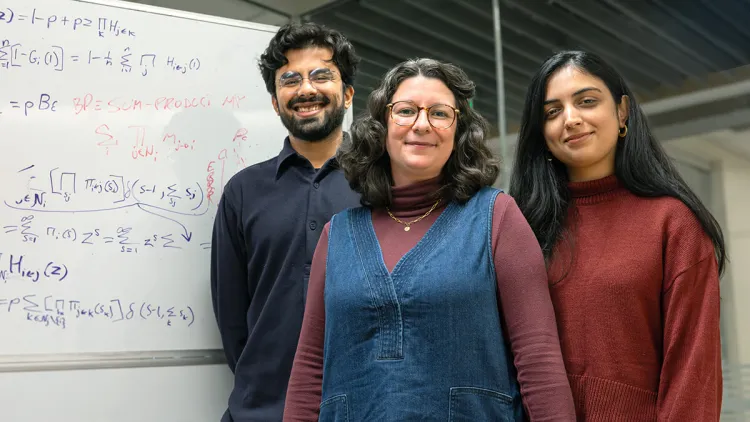
The Computational Ethics Lab investigates the ethical and societal implications of emerging technologies through computational research and analysis. Bringing together computer science, computational social science, and philosophy, the lab develops and applies computational methods to examine how technology shapes human behavior, institutions, and society. Its research explores topics including digital privacy, consent, artificial intelligence, and the social consequences of data-driven systems. By combining quantitative analysis, computational tools, and critical inquiry, the lab seeks to better understand the ethical challenges of an increasingly technology-dependent world and inform the development of more responsible digital systems.
Research Areas:
- AI ethics
- Computational social science
CS Faculty: | ||
|---|---|---|
|
| ||
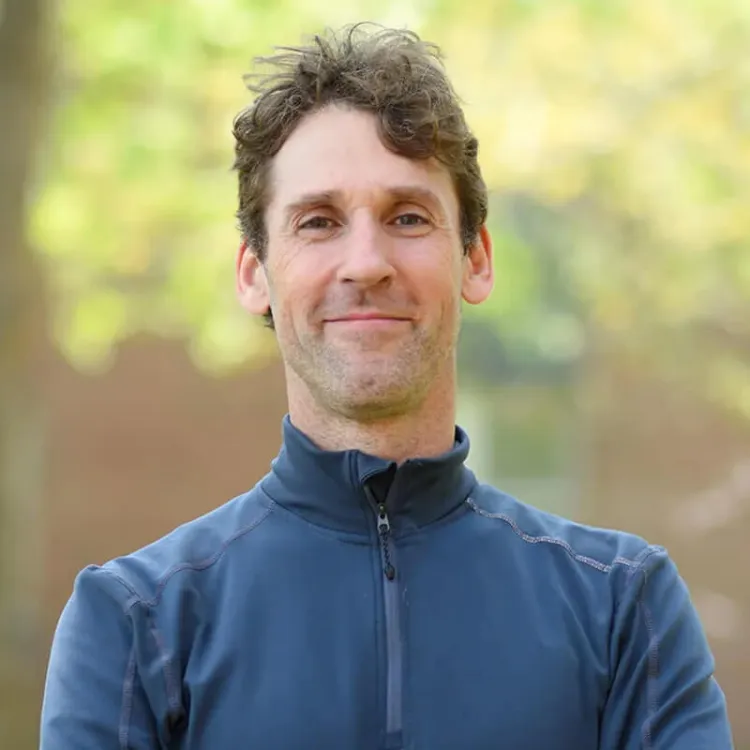
Computational Story Lab
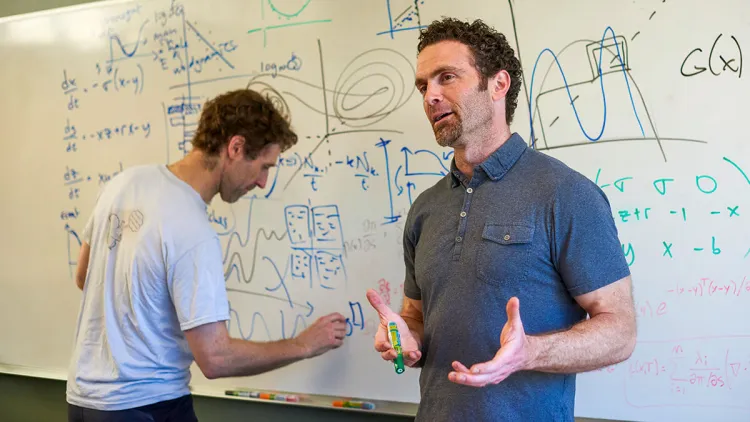
The Computational Story Lab uses computational methods to study the stories, language, and information that shape human experience. Drawing on computer science, data science, network science, and applied mathematics, researchers analyze large-scale collections of text and other digital information to identify patterns and understand how ideas, emotions, and narratives spread through society. The lab develops data-driven approaches for exploring complex social phenomena, using computational tools to uncover insights that would be difficult to detect through traditional research methods. Its work demonstrates how computer-based analysis can help reveal the connections between language, human behavior, and the broader systems in which we live.
Research Areas:
- Complex systems
- Data science
CS Faculty: | ||
|---|---|---|
|
| 
| |
Joint Lab
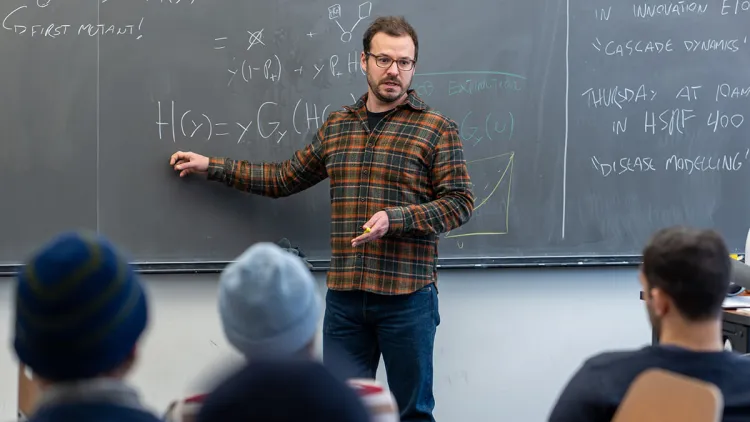
The Joint Lab brings together researchers working at the intersection of computer science, statistics, and complex systems to develop new ways of understanding complex data and the systems that generate it. Its work combines computational modeling, statistical methods, and data analysis to investigate how the structure and behavior of interconnected systems evolve over time. Through its two research groups—the Laboratory for Structure and Dynamics and the Complex Data Laboratory—the Joint Lab explores the relationships between network structure, system dynamics, and data-driven discovery. This collaborative approach advances computational tools and methods for studying complex systems across a range of applications.
Research Areas:
- Network science
- Complex systems
- Epidemiology
CS Faculty: | ||
|---|---|---|
|
|
|
|
Morphology, Evolution & Cognition Laboratory (MEC Lab)
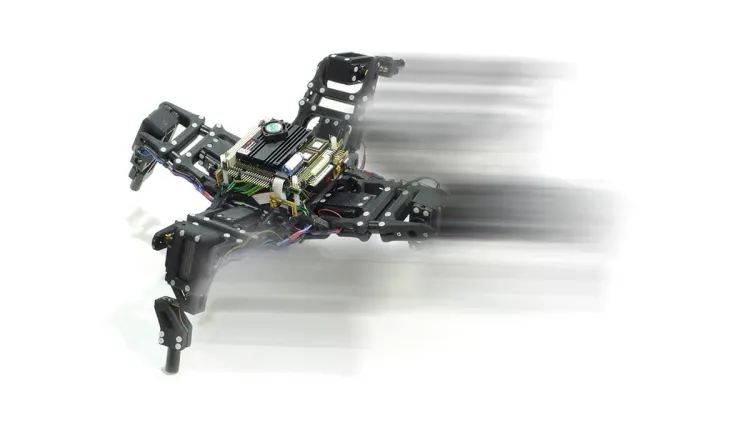
The Morphology, Evolution & Cognition Laboratory explores how intelligence emerges and how intelligent machines can be designed using principles drawn from evolution, biology, and cognition. Based in UVM's Department of Computer Science, the lab develops computational approaches to artificial intelligence and robotics, with particular emphasis on evolutionary computation, embodied cognition, and crowdsourcing. Researchers use these methods to design and evolve robots and other autonomous systems, investigating how physical form, interaction with the environment, and evolutionary processes can produce increasingly capable machines. The lab's work is advancing new approaches to creating adaptive, intelligent technologies inspired by the natural world.
Research Areas:
- AI
- Robotics
CS Faculty: | ||
|---|---|---|
|
| ||
PLAID Lab

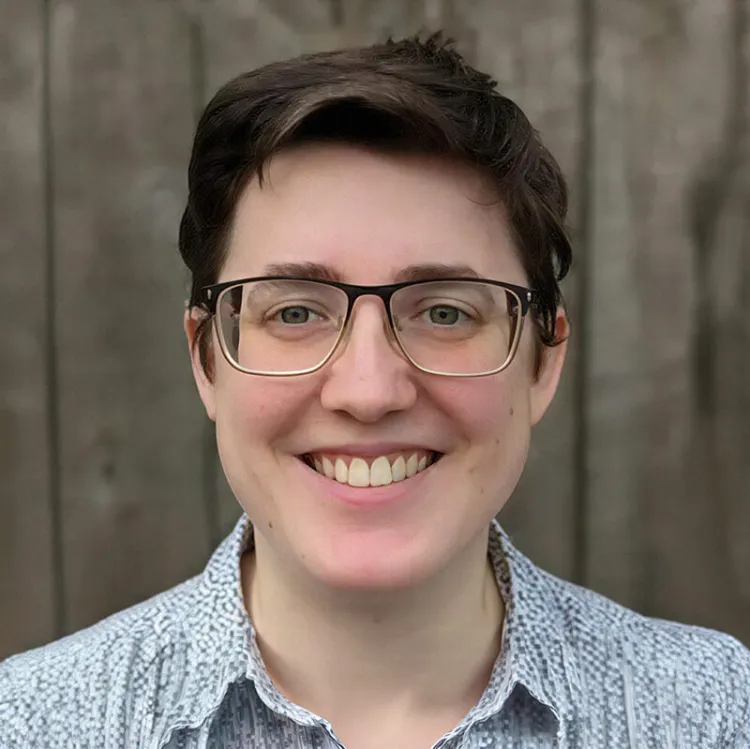
The Programming Languages, Information Security, and Data Privacy (PLAID) Lab conducts research at the intersection of programming languages, computer security, and data privacy. Researchers develop programming languages, software analysis techniques, and computational tools that help make computer systems more secure, reliable, and trustworthy. Areas of investigation include differential privacy, secure computation, program analysis, formal verification, and methods for protecting sensitive information while enabling meaningful data analysis. By addressing fundamental challenges in how software is designed, analyzed, and executed, the PLAID Lab is advancing the foundations of secure and privacy-preserving computing.
Research Areas:
- Programming languages
- Privacy
- Cybersecurity
- Quantum computing
CS Faculty: | ||
|---|---|---|
|
| 
|
|
UVM Neurobotics Lab
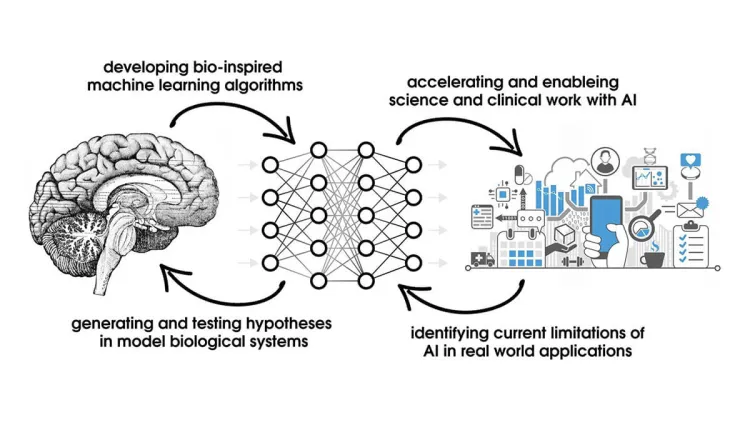
The UVM Neurobotics Lab develops artificial intelligence and autonomous robotic systems inspired by the principles of natural intelligence. Researchers draw on machine learning, evolutionary computation, and neural networks to create algorithms that enable machines to learn, adapt, and make decisions in complex environments. The lab specializes in bio-inspired optimization methods for artificial neural networks, including deep learning, reinforcement learning, and meta-learning. By studying how biological systems solve problems and respond to changing conditions, the lab seeks to develop more adaptable and capable intelligent systems, with applications in robotics, healthcare, and environmental research.
Research Areas:
- AI
- Robotics
CS Faculty: | ||
|---|---|---|
|
| ||
Vermont Artificial Intelligence Laboratory (VaiL)
The Vermont Artificial Intelligence Laboratory (VaiL) advances research in machine learning and artificial intelligence, with a focus on developing algorithms that can better adapt to new information and generalize across different applications. A central area of research is image geolocalization and geospatial understanding, using machine learning to interpret imagery and information collected from diverse sources, including ground-based and satellite sensors. By developing computational methods that help AI systems extract meaningful information from complex visual data, VaiL is advancing applications in geospatial analysis and other areas where intelligent systems can support real-world decision-making.
Research Areas:
- AI
- Computer vision
CS Faculty: | ||
|---|---|---|
|
| ||