Undergraduate Programs
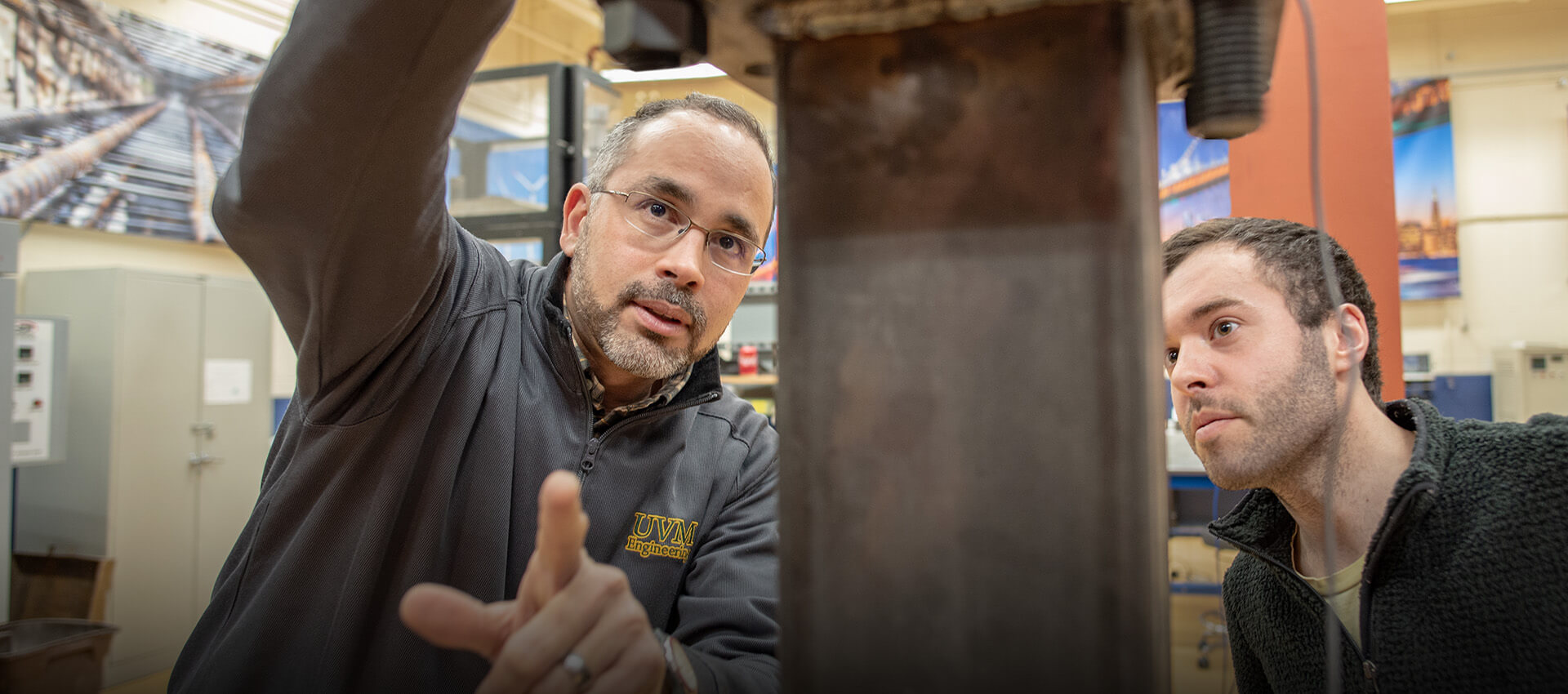


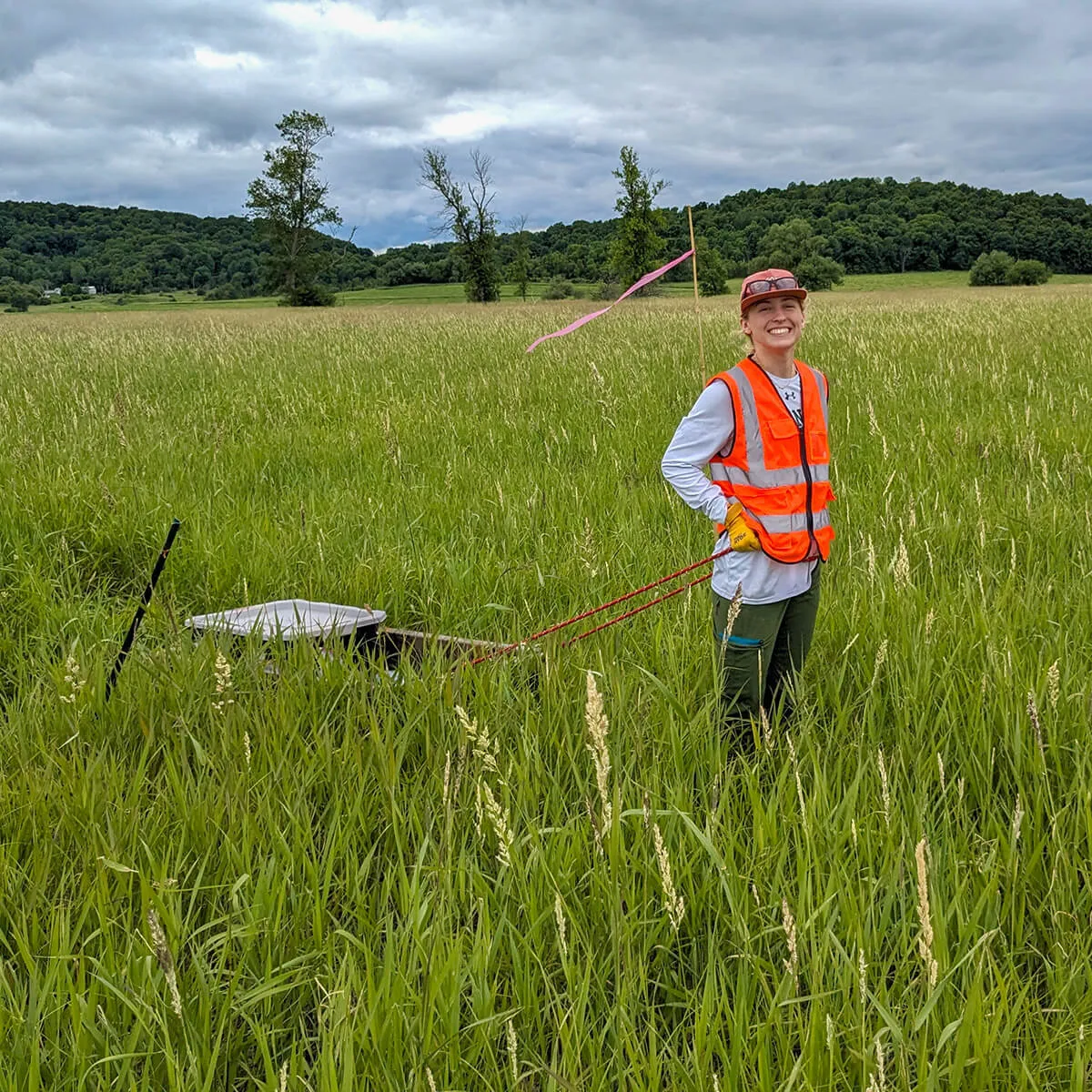
Pathway to Discovery
The Richard Barrett Scholars Program promotes undergraduate engineering expertise in environmental stewardship. The program provides funding awards to outstanding undergraduate engineers who wish to pursue a research project with environmental impacts under the mentorship of a faculty mentor.
Richard Barrett Scholarsn ProgramOutcomes and Objectives
Student Outcomes of the B.S. in Civil Engineering degree program
The Student Outcomes of the B.S. in Civil Engineering degree program directly relate to the ABET (1)-(7) Criterion 3 Student Outcomes and are as follows:
- an ability to identify, formulate, and solve complex engineering problems by applying principles of engineering, science, and mathematics
- an ability to apply engineering design to produce solutions that meet specified needs with consideration of public health, safety, and welfare, as well as global, cultural, social, environmental, and economic factors
- an ability to communicate effectively with a range of audiences
- an ability to recognize ethical and professional responsibilities in engineering situations and make informed judgments, which must consider the impact of engineering solutions in global, economic, environmental, and societal contexts
- an ability to function effectively on a team whose members together provide leadership, create a collaborative and inclusive environment, establish goals, plan tasks, and meet objectives
- an ability to develop and conduct appropriate experimentation, analyze and interpret data, and use engineering judgment to draw conclusions
- an ability to acquire and apply new knowledge as needed, using appropriate learning strategies.
Student Outcomes of the B.S. in Environmental Engineering degree program
The Student Outcomes of the B.S. in Environmental Engineering degree program directly relate to the ABET (1)-(7) Criterion 3 Student Outcomes and are as follows:
- an ability to identify, formulate, and solve complex engineering problems by applying principles of engineering, science, and mathematics
- an ability to apply engineering design to produce solutions that meet specified needs with consideration of public health, safety, and welfare, as well as global, cultural, social, environmental, and economic factors
- an ability to communicate effectively with a range of audiences
- an ability to recognize ethical and professional responsibilities in engineering situations and make informed judgments, which must consider the impact of engineering solutions in global, economic, environmental, and societal contexts
- an ability to function effectively on a team whose members together provide leadership, create a collaborative and inclusive environment, establish goals, plan tasks, and meet objectives
- an ability to develop and conduct appropriate experimentation, analyze and interpret data, and use engineering judgment to draw conclusions
- an ability to acquire and apply new knowledge as needed, using appropriate learning strategies.
Civil Engineering Program Educational Objectives
The educational objectives of the civil engineering program are to provide our graduates with disciplinary breadth and depth to fulfill complex professional and societal expectations by:
- Pursuing careers as practicing engineers or using their program knowledge in a wide range of other professional, educational, and service activities.
- Assuming leadership roles and seeking continuous professional development.
- Contributing to their profession and society while appreciating the importance of ethical and sustainable solutions that benefit all.
Environmental Engineering Program Educational Objectives
The educational objectives of the environmental engineering program are to provide our graduates with disciplinary breadth and depth to fulfill complex professional and societal expectations by:
- Pursuing careers as practicing engineers or using their program knowledge in a wide range of other professional, educational, and service activities.
- Assuming leadership roles and seeking continuous professional development.
- Contributing to their profession and society while appreciating the importance of ethical and sustainable solutions that benefit all.
Accreditation
BS in Civil Engineering Accreditation
The Bachelor of Science in Civil Engineering is accredited by the Engineering Accreditation Commission of ABET, under the commission’s General Criteria and Program Criteria for Civil Engineering.
BS in Environmental Engineering Accreditation
The Bachelor of Science in Environmental Engineering is accredited by the Engineering Accreditation Commission of ABET, under the commission’s General Criteria and Program Criteria for Environmental Engineering.