Amaya Carrasco-Torrontegui, along with several other authors, recently published “Looking back to move forward: historical Agroecology and reciprocity in Ecuador and Bolivia”1 in Agriculture and Human Values. Below, Amaya expounds on her and her co-author’s work.
A Crisis with a Blind Spot
Food systems worldwide are in crisis. Climate change, soil degradation, biodiversity loss, and rising inequality are converging in ways that threaten human and planetary health. Policy and research responses tend to prioritize forward thinking, such as innovation, new technologies, improved seeds, and more efficient supply chains. Yet, one of the most powerful guides for transformation lies not only ahead of us, but also behind.
Food Systems as Living Histories
Food systems merge biophysical and social dimensions, with greater emphasis on technical infrastructure and less on their status as living histories shaped by relationships among people, land, water, seeds, and culture. When these histories are overlooked, interventions become detached from place and from the unique processes of change that include the agency and resilience of individuals, communities, and ecologies. Such neglect not only risks reproducing the very problems they seek to address but also misses the opportunity to leverage factors in processes of transformation, as intended in agroecological transitions.
To confront this blind spot, adopting a historical lens to trace the processes that have shaped local food systems is necessary. This perspective clarifies current conditions, highlights effective practices, and opens space for reflection and collective learning. It also informs context-specific, forward-looking agroecological transitions.
Grounding Historical Agroecology
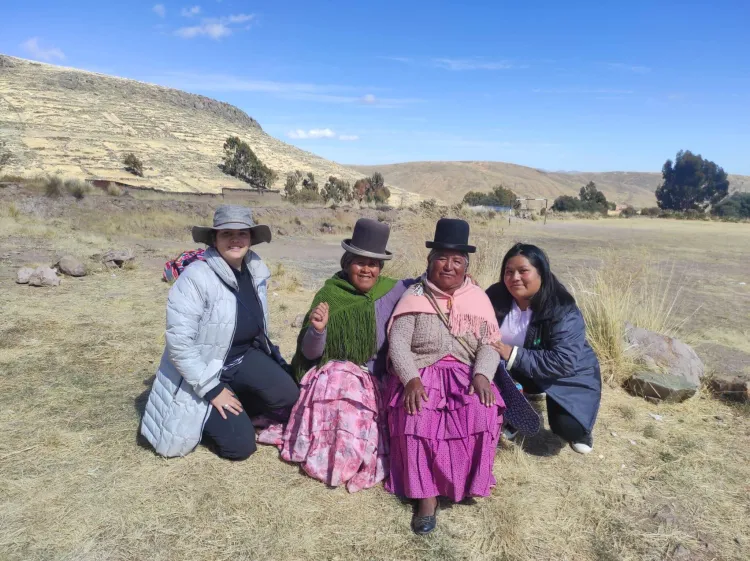
In this paper, Historical Agroecology is advanced as a framework for transformative change that centers collective memory, ancestral knowledge, and long-term socioecological relationships, by drawing on collaborations with Indigenous communities and local organizations in Ecuador and Bolivia.
Within this framework, narrative- and storytelling-based Participatory Action Research (PAR) approaches support collective learning through dialogue. The River of Life exercise, which combines drawing and storytelling to co-create food-system histories, is particularly powerful: it traces changes over time, identifies key turning points, and helps communities reflect on their past and present. This created fertile ground for planning the future (i.e., a community-based agroecological transition roadmap).
Resilience in the Andes
In the Andean highlands, Indigenous communities have faced centuries of disruption, from pre-Columbian power dynamics (e.g., Inca empire territorial expansion) and colonial land regimes to the spread of industrial agriculture. These forces have driven migration, particularly through the Green Revolutions, leading to a marked reduction in agrobiodiversity and weakened community institutions. Yet communities have sustained resilient practices rooted in reciprocity, collective organization, and ecological knowledge.
By integrating the River of Life’s oral histories, artistic expression, interviews, and written records, lived experiences were documented, histories were reconstructed, socioecological change was mapped, and voices often excluded from mainstream discourse were amplified. Together, all together, these efforts fostered more inclusive and decolonial participation across genders and generations, and the collective narratives revealed how the past continues to shape present decisions and future possibilities.
Practices that Endure
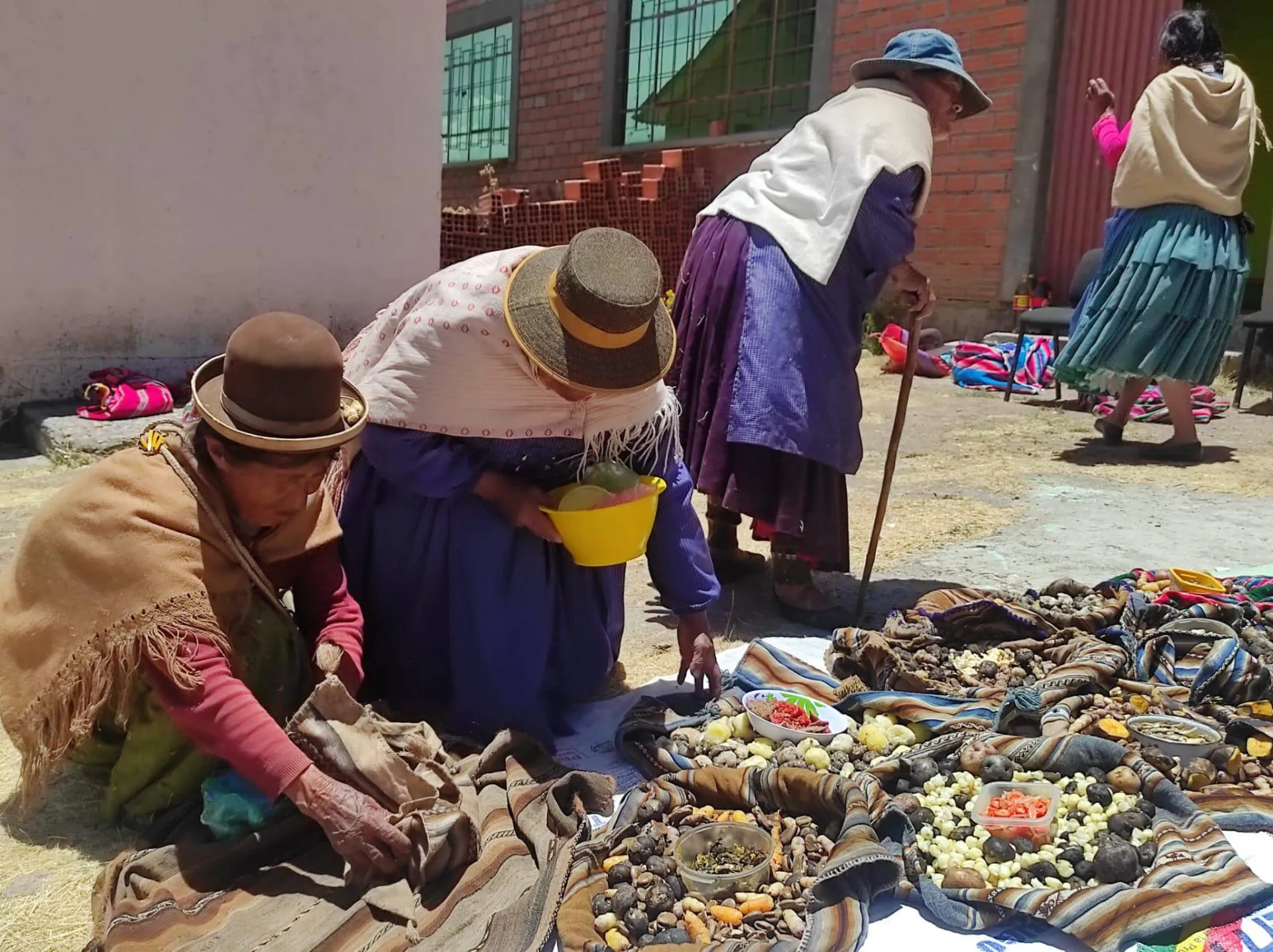
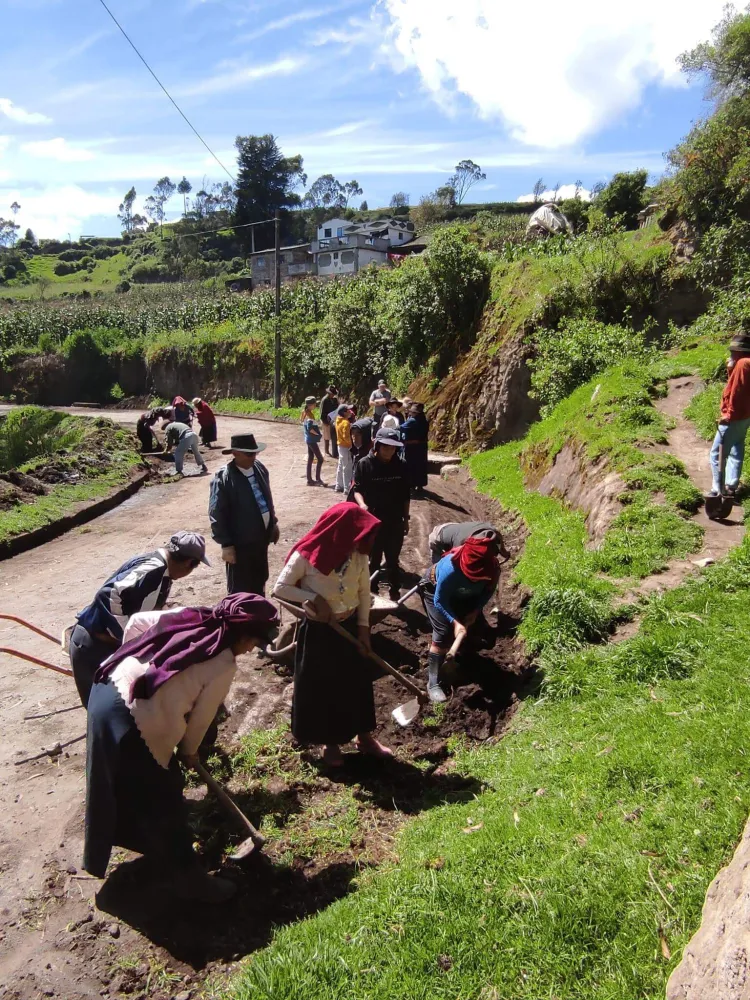
It was found that practices such as minga (collective work) and ayni (“today for you, tomorrow for me”) continue to organize labor, resource sharing, and ecological care. Polycultures, seed saving, and soil regeneration are not relics of a bygone era, but adaptive strategies that sustain biodiversity and resilience in the face of ongoing change.
Historical Agroecology makes these connections visible. By examining how processes such as agrarian reform, migration, and agrochemical expansion have shaped current conditions, communities identify both factors of disruption and adaptation strategies and local responses. Ultimately, it can help to determine which practices need to be reinvigorated or revived to create culturally meaningful, viable, and resilient pathways forward.
Who Drives Transformation
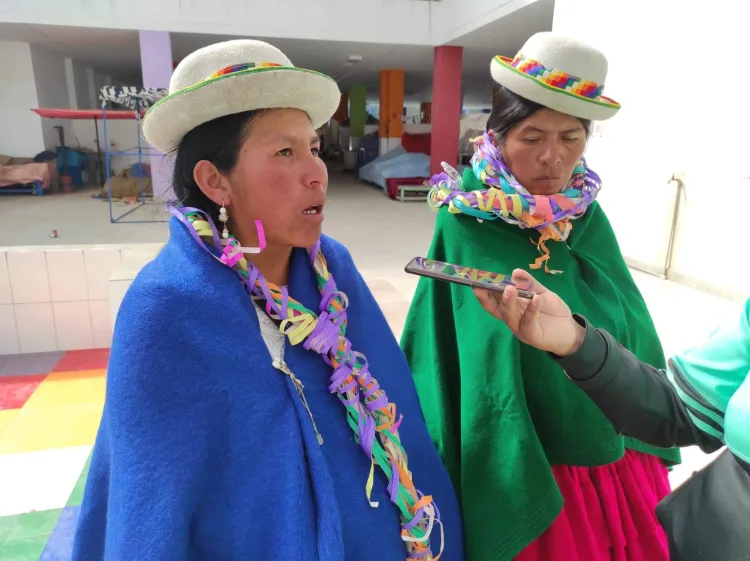
Historical Agroecology redefines who is recognized as an agent of change; communities are not passive beneficiaries but protagonists of transformation. In the case studies presented in the paper, the opportunity of change emerges through co-created knowledge, in which scientific research and ancestral wisdom inform and strengthen one another.
Why It Matters Beyond the Andes
At a time when many societies are increasingly disconnected from nature, history, and one another, Historical Agroecology offers a framework, one that centers relationships: between people and land, past and future, and diverse ways of knowing. It invites broader reflection on how historical consciousness can guide food-system transitions elsewhere.
Moving Forward with Memory
This is not a call to romanticize the past, but to move forward with memory. As an Aymara saying puts it, “Qhiparu nayraru uñtas sartañani: Looking back, we will move forward.” To seriously build food systems that are just, resilient, and sustainable, the work must begin by recognizing and learning from the histories that continue to shape them.
_
1Carrasco-Torrontegui, A., Gallegos-Riofrío, C.A., Méndez, E. et al. Looking back to move forward: historical Agroecology and reciprocity in Ecuador and Bolivia. Agric Hum Values 43, 68 (2026). https://doi.org/10.1007/s10460-026-10865-x Download PDF