Twenty years ago Ernesto Méndez joined the University of Vermont, deepening the university's commitment to agroecology. The founding faculty co-director of the Institute for Agroecology and professor of agroecology and environmental studies in the Department of Agriculture, Landscape and Environment has projected UVM onto the global stage through those years by establishing it as a leading center for transformative agroecological research and education. This past month, he was honored as one of the recipients of the University of Vermont University Scholars Award.
The award adds to a long list of international recognition and celebrations for his contributions and impact in the fields of agroecology, food security, biodiversity, ecosystem services, and participatory research. For Méndez, this recognition reflects far more than individual achievement.
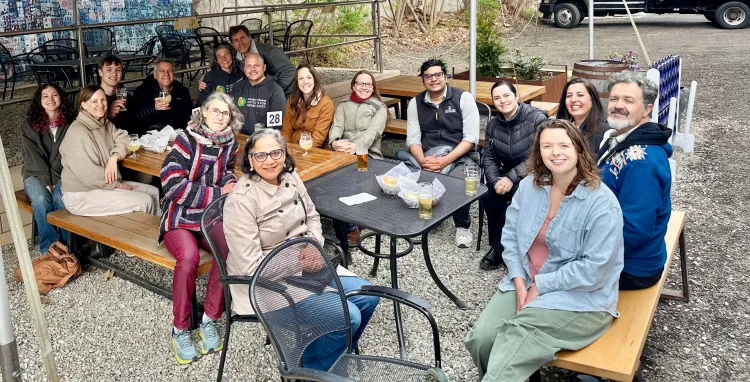
“I see individual awards as not only recognizing the person but as an acknowledgement of the collective conditions and people that allow for the work to happen; this includes ancestors, mentors and all the people that collaborate and support the awardee,” he says. “In this case, I see this award as recognizing the collective effort and impact of the Institute for Agroecology team and its networks.”
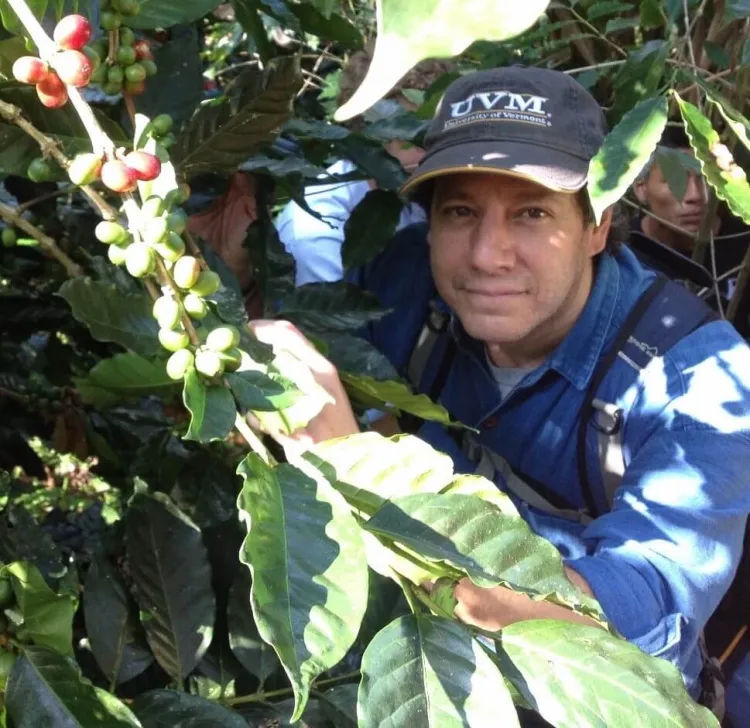
Through his transdisciplinary, community-engaged, action research in the United States, Latin America, and the African continent, Méndez is a leading scholar in agroecology.
“His work has opened a wide range of opportunities for students, faculty, staff, and community partners,” says Colin Anderson who co-directs the IFA with Méndez. “And his commitment to engaged, participatory approaches has kept the focus firmly on real-world impact and social transformation.”
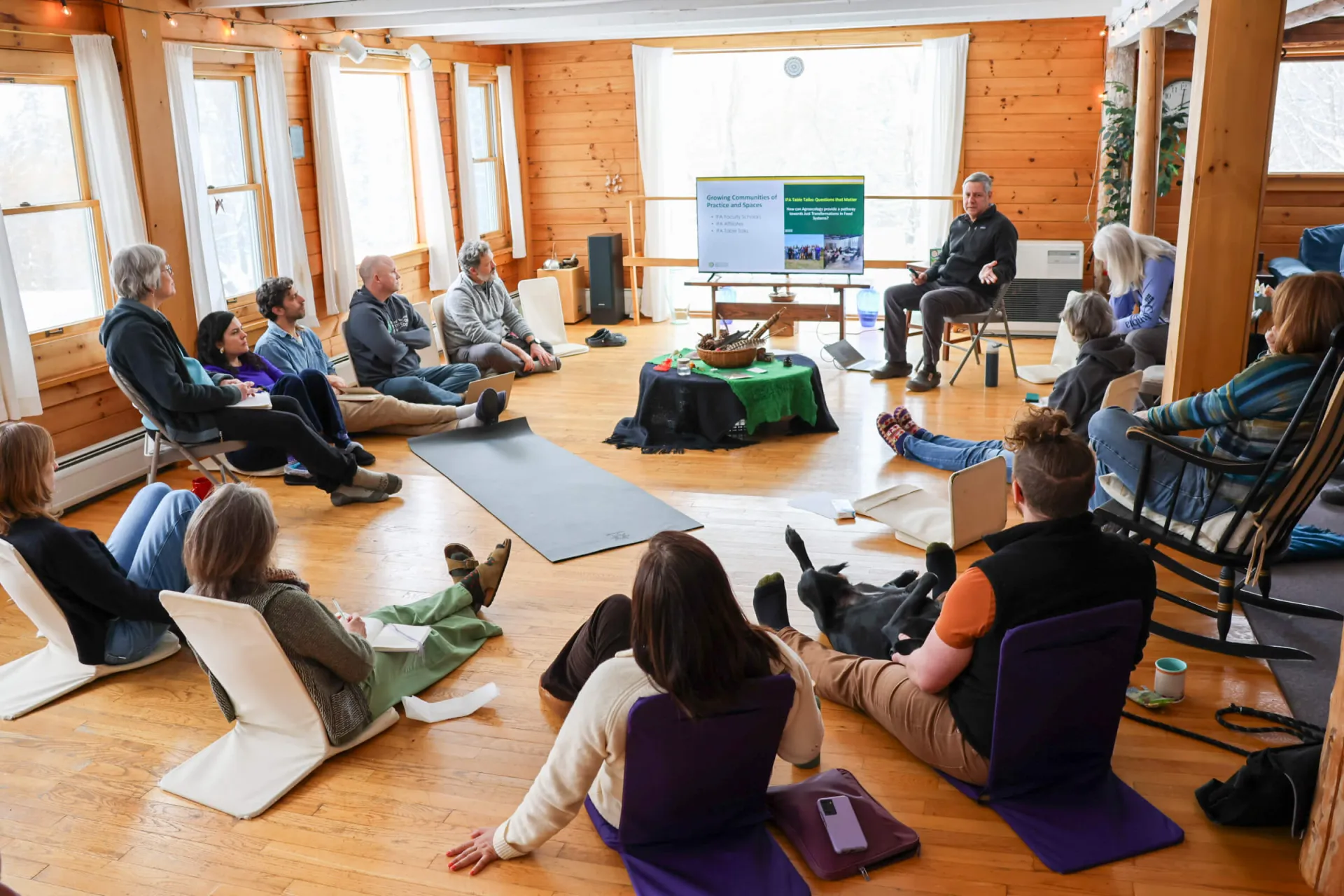
This impact is profound within the context of a public land-grant university like the University of Vermont, which is now the first land-grant university with an Institute for Agroecology. By bringing agroecology into this type of institutional space, the IFA is helping to increase the visibility and growth of the field in the United States.
“This sends a strong message about the potential and relevance of agroecology to farmers, academics, advocacy and policy organizations across the U.S., since universities are important reference points for social change and transformation,” says Méndez.
This award also represents a meaningful moment for UVM itself, reflecting the university’s growing investment in agroecological and food systems research and its commitment to strengthening both as a living knowledge system. With climate change intensifying, living costs rising, and growing disconnection from land, it’s vital for our survival and wellbeing to uplift food system pathways that are ecologically sound and equitable.
By supporting researchers, academics, and scholars in agroecology and food systems, the university is showing its deep commitment to sustainability-centered research and learning. Méndez deepens that commitment further by doing research that is, according to him, “with people, for people.” His participatory approach has influenced the broader food systems research community, encouraging more scholars to engage in participatory action research that is co-created with communities it seeks to support. The result is research that is more impactful and also beneficial and sustainable over the long term.
“Ernesto is a joy to work with, and I’m deeply grateful for the skill, humanity, and collaborative spirit he brings to everything he does,” says Anderson. “I can’t imagine a better partner in this work, and I’ve grown tremendously through our collaboration."