
Project Overview
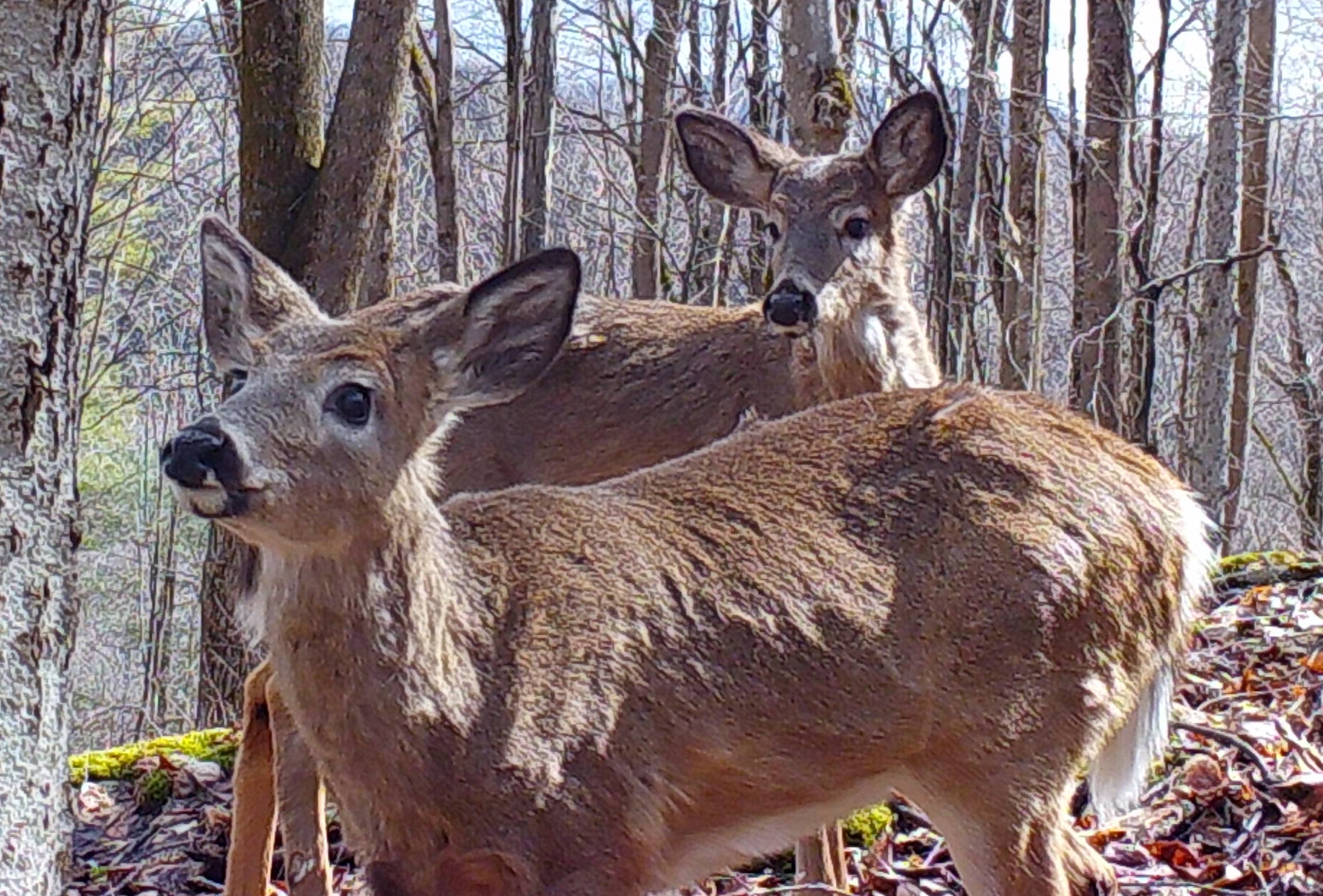
This project integrated ecological and genetic data using a new circuit theory approach to measure and map connectivity for 10 terrestrial mammal species with high ecological, economic, and cultural importance: American black bear, American marten, bobcat, coyote, fisher, moose, raccoon, red fox, striped skunk, and white-tailed deer. Within the study region encompassing Vermont, New Hampshire, and Maine, we collected genetic data from each focal species and optimized landscape resistance surfaces to identify landscape features that best explain observed patterns of genetic differentiation for each species. We then combined the landscape resistance data with species occurrence data to model and map species-specific landscape connectivity across the region. This work resulted in models of wildlife movement and genetic connectivity that can be applied across a range of land, infrastructure, and management contexts, providing tools and insights for connectivity planning in the northeastern United States. This project was funded by the Northeastern States Research Cooperative and was a partnership between UVM's Rubenstein School of Environment and Natural Resources, the US Forest Service, the Vermont Fish and Wildlife Department, New Hampshire Fish and Game, and the Maine Department of Inland Fisheries and Wildlife.
Objectives
Our objectives were to 1) collect genetic samples from each focal species across the study region, 2) optimize species-specific landscape resistance surfaces using from landscape features and genetic distance data, and 3) create species-specific models of landscape connectivity using principles of electrical circuit theory.
Dataset Availability
Downloadable: 4 datasets
See the full list of available dataTags
No tagsStatus - Completed
Start date: 2021-01-01
End date: 2026-05-31
Study Area
