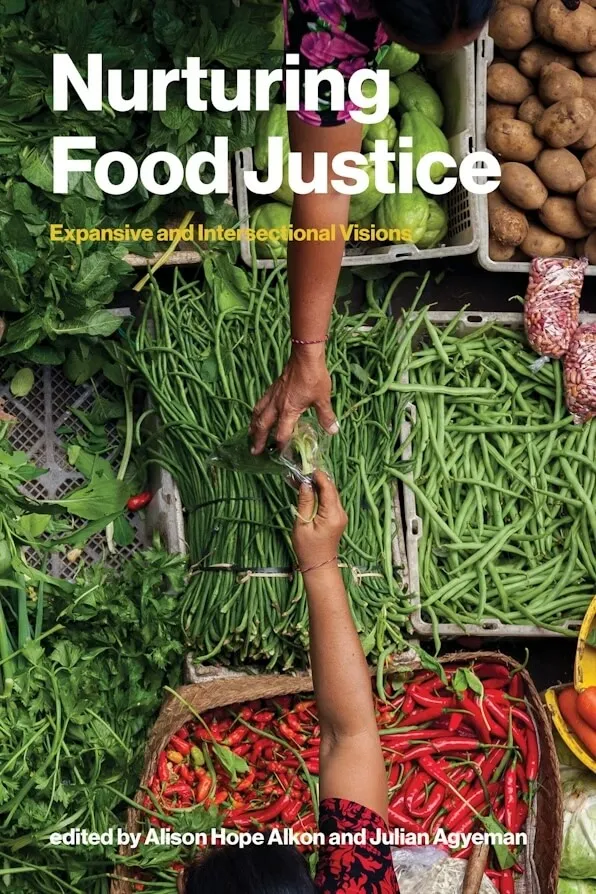
Two University of Vermont professors are contributors to Nurturing Food Justice, a recently-released volume that publisher MIT Press says is "redefining the field."
Over 21 chapters, dozens of food justice scholar-activists examine who is marginalized by our food systems, and how those communities are dreaming, working and moving toward better land access, food sovereignty, ecological health and labor rights.
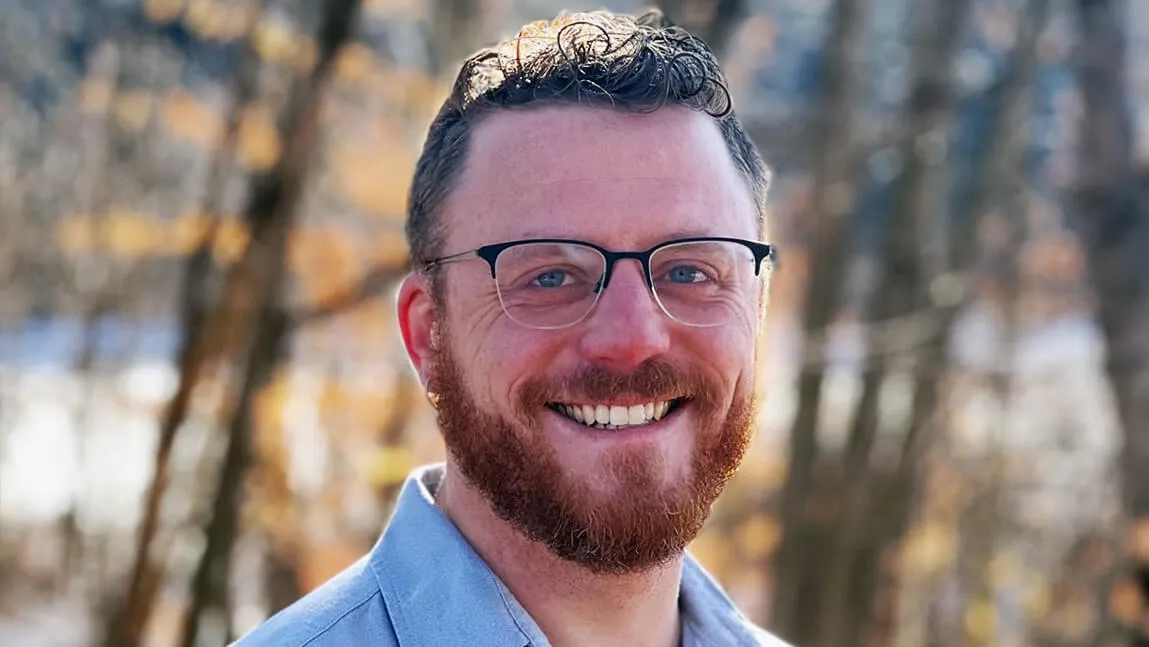
In the book's first section, called "Dreams," UVM Extension Assistant Professor of Community Development Ike Leslie co-authored the chapter "Queering Food Justice: Confronting White Heteropatriarchy in US Agriculture."

Together with co-author Michaela Hoffelmeyer, Leslie points out that food insufficiency rates for LGBTQ+ people are far higher than the U.S. overall, and those rates jump even higher for LGBTQ+ people of color. However, they write that government-sponsored food and agricultural surveys often leave out expansive-enough questions about gender identity and sexual orientation, making it harder to document and address the way queer farmers and communities are excluded from food systems.
In their chapter, Leslie and Hoffelmeyer analyze what evidence is available through interviews, surveys, literature reviews, presentation feedback and community engagement. And then they discuss the creative strategies LGBTQ+ people have developed as a result of discrimination — such as organizing farms around chosen family.
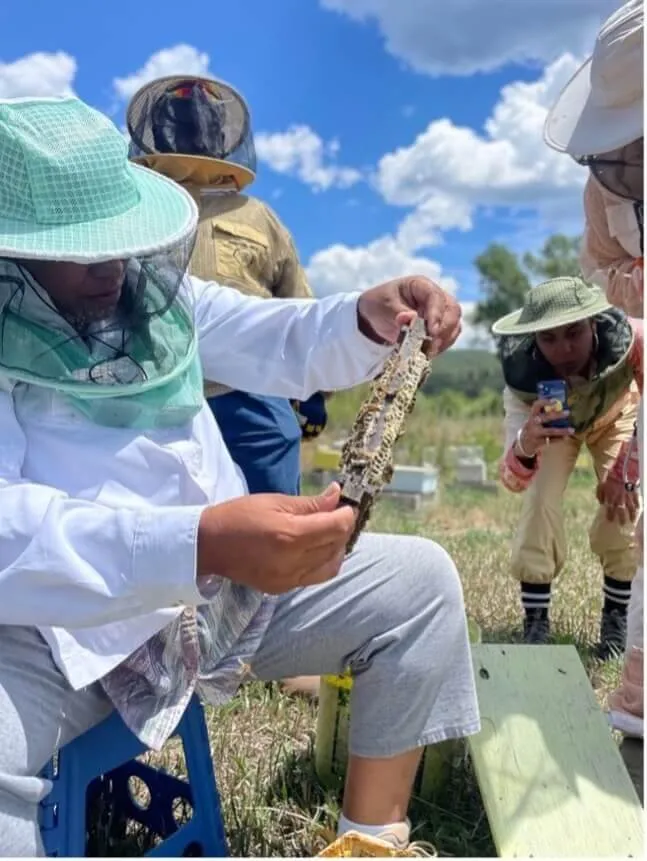
"Born out of birth family rejection, the chosen family offers LGBTQ+ people a means of accessing support and safety as well as material benefits such as housing and food," the co-authors write. "In the context of agriculture, the chosen family can serve as an alternative form of agricultural production."
Leslie and Hoffelmeyer note that they're interested in further research on the chosen family model to understand its viability, and whether it can resist exploitation of land and labor.
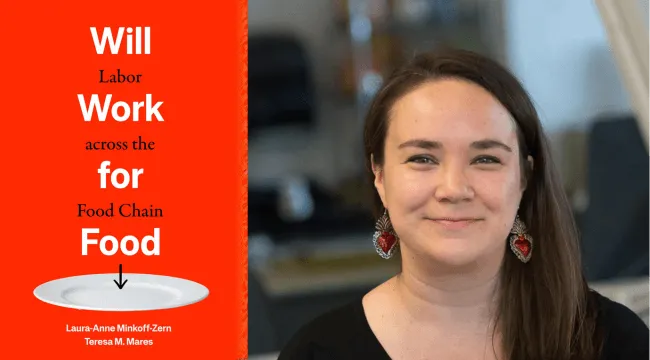
Labor is the focus of the Nurturing Food Justice chapter co-written by UVM Director for the Graduate Program in Food Systems and Associate Professor of Anthropology Teresa Mares, "New Openings for Worker Justice in the Food System: A Call for Centering Labor in Food Justice." It opens the book's final section on "Intersections."
It is at the intersection of shared concerns for food workers — who Mares and co-author Laura-Anne Minkoff-Zern say are in system that "perpetuates violence and injustice" — that there are opportunities for change throughout the food chain.
"The same tomatoes that are picked by undocumented immigrants, are sliced by underpaid workers in fast-food kitchens, rung up by Walmart cashiers denied the benefits of collective bargaining, and fed to hungry children by women facing the pressures of holding a paid job while simultaneously being held responsible for their family’s consumption," they write. "One cannot solve the problem of unjust labor by focusing on a singular labor process or sector in the food system."
Mares and Minkoff-Zern provide examples of how workers throughout the food system are fighting against injustices like low wages, unstable schedules and lack of protections. Workers are increasing union organizing in the grocery industry, running state-level campaigns for farmworker rights and pushing for $15 minimum wage at fast-food chains across the country (and world).
And the co-authors argue: "[T]he food justice movement would be strengthened through more fully embracing workers’ rights as a top priority."
Teresa Mares and Ike Leslie are both associated with The Gund Institute for Environment at UVM, which accelerates interdisciplinary research to tackle environmental challenges, and the Institute for Agroecology at UVM, which similarly works across spheres — social, ecological, political — for food justice.
And at the end of Nurturing Food Justice, co-editors Alison Hope Alkon and Julian Agyeman write that even as there has been important cross-pollination in the food justice movement among perspectives, approaches and disciplines, food processing and retail companies have meanwhile become more consolidated and profitable than ever. That's despite supply chain disruptions from COVID-19, climate change and Russia's war in Ukraine.
"According to a 2022 report by the Economic Policy Institute, these profits, and not the supply chain disruptions, are primarily responsible for inflated prices," Hope Alkon and Agyeman write.
They conclude: "A more foundational understanding of the increasingly consolidated industrial and technologized agrifood system might help inspire dreams of the diverse agroecological food systems we want to create and the pathways through which we can get there."
Nurturing Food Justice is available in paperback, as an e-book, and chapters are also offered as open access online, including those coauthored by UVM professors Ike Leslie and Teresa Mares.