The answer to that question is, yes, they are, though they are different in many ways from the plants most of us grow.
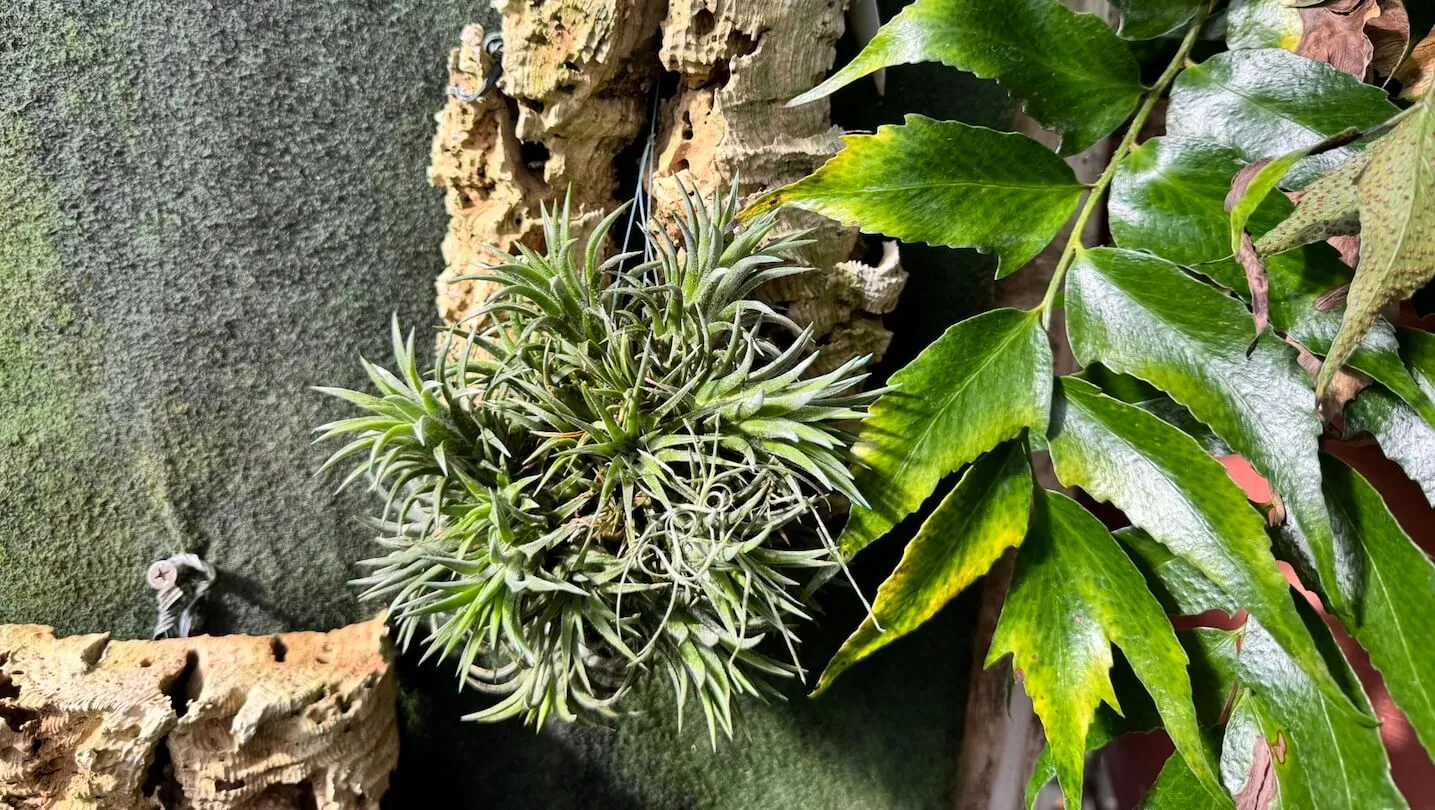
Air plants (Tillandsia) are evergreen perennials whose foliage grows in a rosette form. They’re members of the Bromeliad (Bromeliaceae) family and related to such diverse plants as pineapples (Ananas comosus) and Spanish moss (Tillandsia usneoides).
Their size can vary greatly, depending on the species. Most varieties offered as houseplants range in size from 2-9 inches tall. They’re slow-growing, so be patient.
Air plants make their home in subtropical and tropical areas in the southern United States, Mexico, Central and South America, and the Caribbean. Different species grow in habitats ranging from low-lying coastal regions, to higher elevations in mountains, to arid deserts, to rainforests with high humidity. Some species require more moisture, while others may be drought tolerant. For best results, check the care suggested for your particular type of air plant.
Unlike most plants you may be familiar with, Tillandsias are epiphytes—they live on other plants rather than in soil. That doesn’t mean they’re parasitic—they are not. Instead of using their roots to obtain nutrients from a host plant or from soil, air plants use their roots as a means to attach themselves to trees, plants, or other surfaces for support. Their foliage absorbs moisture and nutrients from the air around them.
Air plants are easy to care for. They prefer bright, indirect or filtered light—never direct sun—and temperatures between 50°F and 90°F with good air circulation. You can move them outdoors with other houseplants during warmer months, but avoid direct sun and be sure to bring them back inside before the first frost.
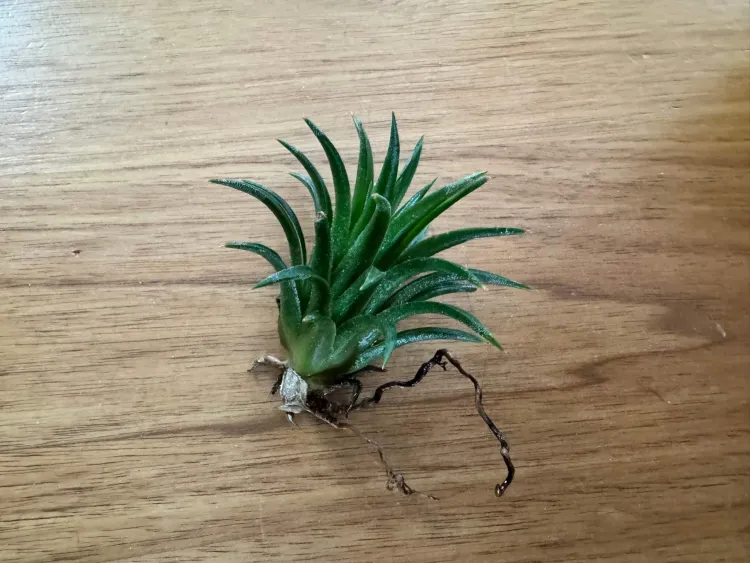
Routine care includes regular watering and the occasional trimming of damaged or dead leaves.
Water once a week by filling a container with rainwater, bottled water, or tap water. Let tap water sit overnight so that chlorine will evaporate. Avoid softened water (the salt is harmful to air plants) and filtered or distilled water, which may contain insufficient nutrients.
Immerse air plants in room temperature water for 30 to 60 minutes, then allow them to drain on their side or upside down for an hour or two. Water that accumulates in crevices may result in rot.
Alternatively, mist air plants well two to three times a week, being sure to avoid accumulated water between leaves.
There’s no need to fertilize air plants, but if you choose to do so, select a fertilizer formulated for air plants and apply it according to the directions on the package.
Air plants can flower, but only one time during their lifecycle. When in bloom, water carefully to avoid getting flowers wet. A wet flower can turn mushy and rot.
During or soon after flowering, they’ll produce offshoots (called pups) around their base. The foliage of the parent will begin to fade as the pups mature. You can remove pups when they have reached at least a third of the parent plant’s size with a gentle twist and tug. If you choose to leave the pups in place, simply remove the leaves of the parent plant as they die back.
Be warned, one air plant may lead to another and another and another. With over 600 species to choose from, you may just decide to begin a collection.