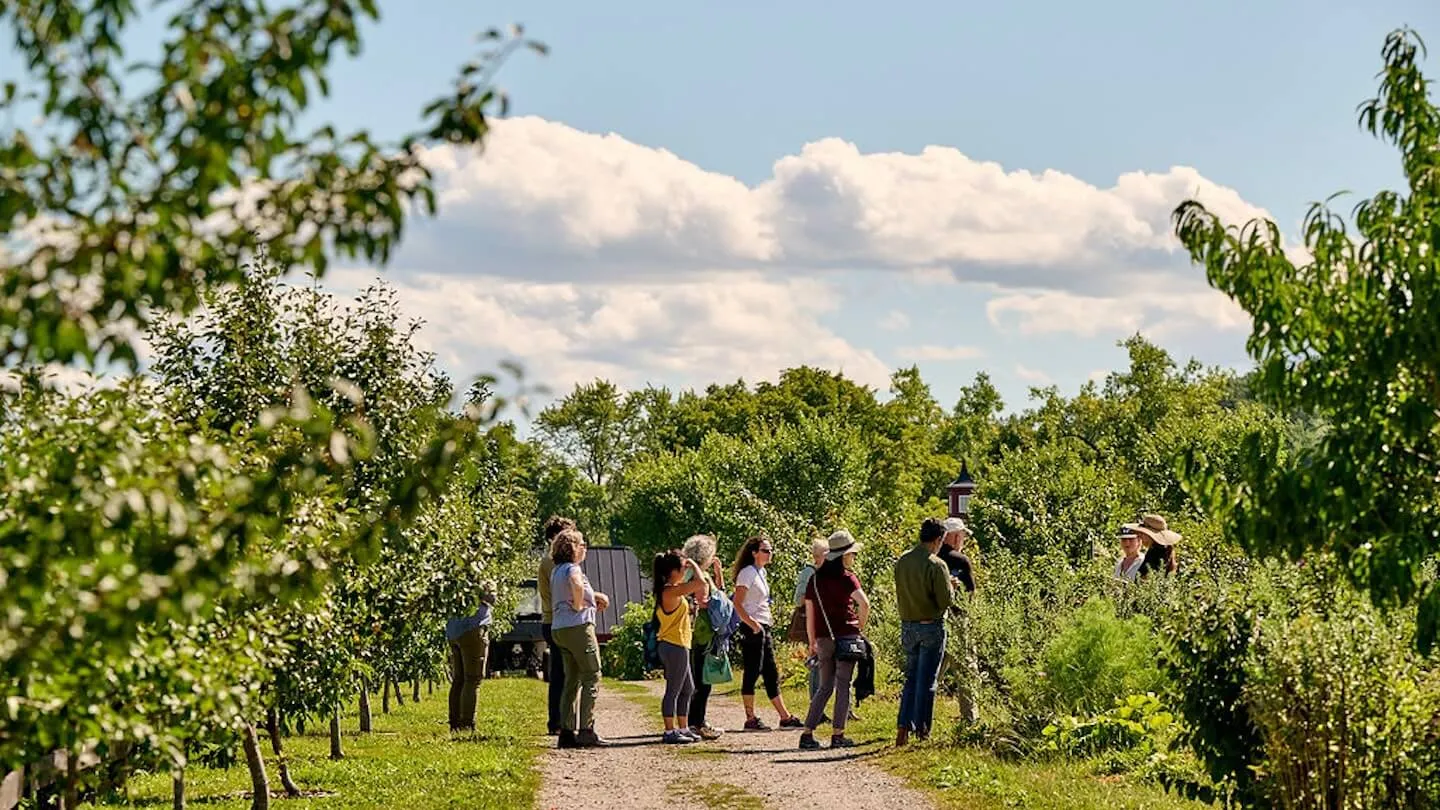
Agritourism is a relatively new term, but the practice of gathering on farms and vineyards is as ancient as the invention of agriculture. Since time immemorial, Native peoples like the Abenaki and Ojibwe have marked early spring with maple sugaring—a season of reunion, renewal, and shared work. Family groups would reunite with their larger communities after the long winter to collect sap and boil it into syrup, creating both sustenance and tradition that continues today. European settlers learned about maple syrup from Indigenous peoples and created their own traditions with sugaring-off parties. Today, sugarhouses from Vermont to Quebec welcome visitors for tours, breakfasts, and local products, keeping this seasonal ritual alive while supporting local economies.
As immigration reshaped the U.S. in the 19th century, farming traditions evolved. Settlers brought their customs, holidays, and agricultural knowledge, turning farms into places of both work and hospitality. Travelers heading west often stayed overnight on farms, paying or working in exchange for meals and lodging. As urbanization spread, families from cities vacationed on farms during the summer to escape the heat and reconnect with rural life. By the early 20th century, this gave rise to agricultural experiences throughout the U.S., such as dude ranches in Western states and harvest festivals celebrating all sorts of crops from apples in Washington to strawberries in Florida and garlic in California.
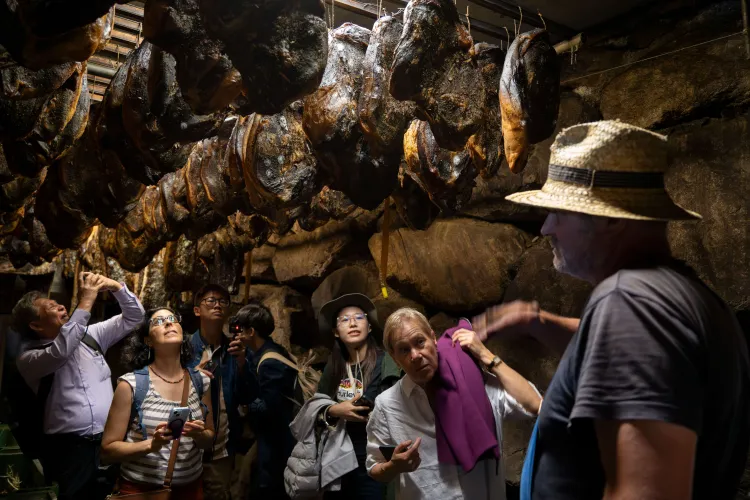
In rural states like Vermont, just a few generations ago most people had a direct connection to farming through family, friends, and neighbors. Today, that connection has largely faded; less than 2% of Americans work on farms. As a result, visiting a farm has become a novel experience. This is where agritourism comes in, blending agriculture and tourism to create meaningful, hands-on experiences on working farms.
I first encountered the term “agritourism” when I was applying for my current job at University of Vermont Extension almost 25 years ago. I had never heard of it before, so I asked a dozen people what this agritourism-thing was. I got a dozen different answers.
Fortunately, some of the people I asked were Vermont farmers who had traveled to Italy and Ireland, where they learned about “agriturismo” firsthand. That’s the idea behind the 1985 Italian legislation providing tax incentives for farmers to restore rural properties and diversify their incomes by offering overnight farm stays, tours, and local products sold directly to visitors.
Those Vermont farmers, including Beth Kennett from Liberty Hill Farm, returned from Europe with a vision for agritourism as economic development for their farms but also for their communities. Working closely with Beth and other entrepreneurial farmers in Vermont has put our brave little state at the forefront of a global movement.
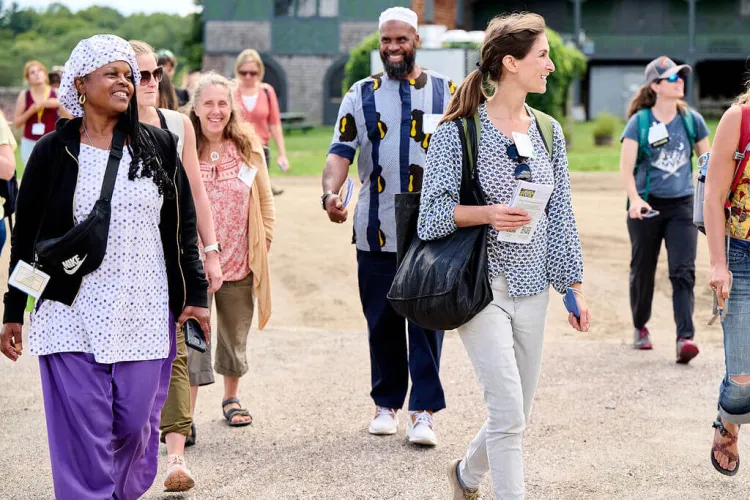
In the U.S., farmers typically receive only 15 cents of every dollar spent on food. But when visitors buy directly from a farm, that money goes straight to the farmer—supporting livelihoods and strengthening local economies. It also helps farms create new jobs for family and community members, preserves working landscapes, and keeps agricultural traditions alive. At the same time, visitors gain a deeper understanding of where their food comes from and why farming matters—not just economically, but culturally and environmentally.
Recent research conducted at UVM and elsewhere indicates that demand is increasing for local agricultural products and experiences, and agritourism enterprises around the world are diversifying and expanding to keep pace with demand. Agritourism, however, requires different skills and facilities than agricultural production. Opening our farms to visitors brings opportunities but also challenges for farmers and their communities.
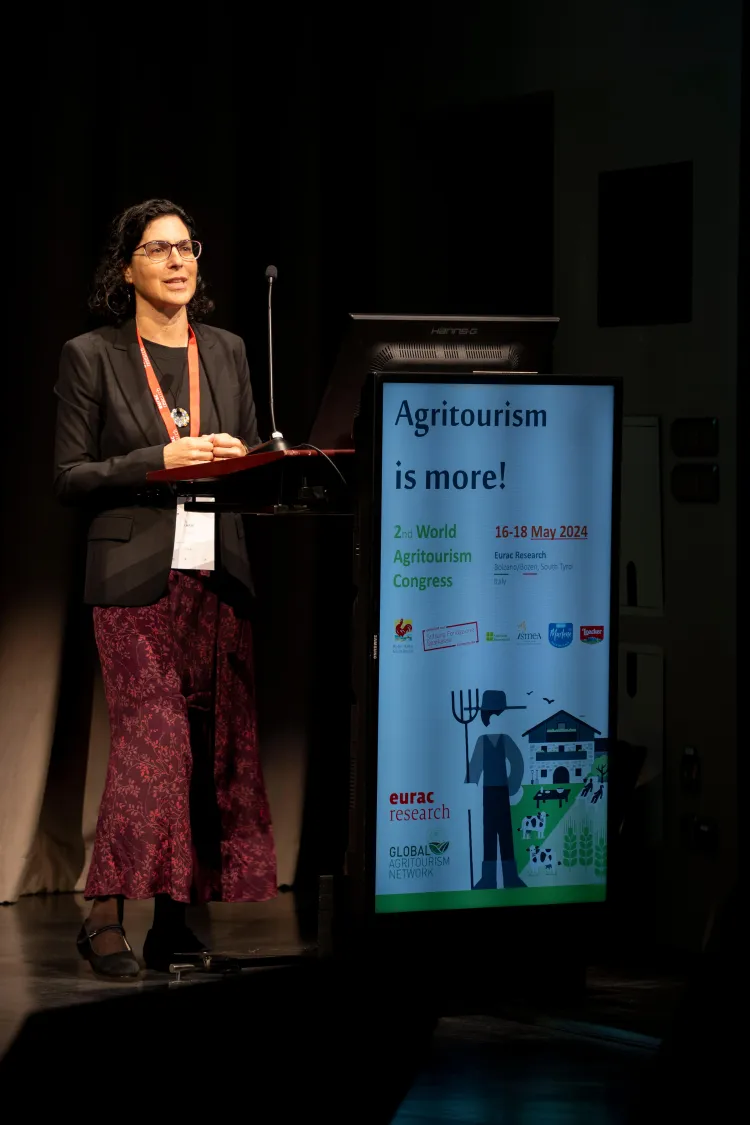
To support this evolving sector, UVM Extension works with partners around the world to provide research, education, and practical tools. In 2022, we hosted the International Workshop on Agritourism in Burlington, Vermont. At that conference, we heard a clear and passionate call for greater connection and structure around agritourism collaboration. The Global Agritourism Network (GAN) was a direct result of that call for action, and I was honored to be elected founding president.
In only three years, GAN has brought together over 1,400 members across 118 countries. Together we aim to build capacity for farmers, tourism professionals, researchers, and others working to support agritourism worldwide and promote practices that sustain the natural environment, local cultures, and social and economic wellbeing of rural communities.
In that collaborative spirit, GAN is hosting the Global Agritourism Conference in Aberdeen, Scotland on June 23–25, 2026. As I recently discussed on Heartbeet Farms' Agri-Tourist Podcast, the event welcomes everyone involved in agritourism and creates space for real conversations between those who grow food and those who study, support, and promote the sector.
While there’s no substitute for connecting in-person and experiencing agritourism in other parts of the world, GAN also offers opportunities for learning and connecting online. In the near future, GAN and the National Extension Tourism Network are co-hosting a webinar that examines challenges and strategies for agritourism operators in the U.S. (You can register here: Webinar Registration - Zoom.)
Even as agritourism grows globally, it remains rooted in local farms and communities. At its core, agritourism is about connection—between people and the land, past and present, and communities near and far. By working together, there’s enormous potential to strengthen rural economies, support working farms, and create meaningful experiences for generations to come.