
Solutions For People And Nature
The Gund Institute for Environment mobilizes scholars and decision makers to understand and tackle critical environmental challenges. Join us.
Recent Headlines


Featured
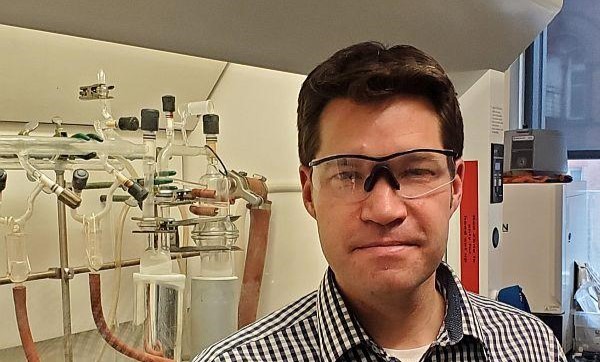
Gund Fellow Rory Waterman named 2023-2024 University Scholar
Rory Waterman, Ph.D., Dept. of Chemistry, College of Arts and Sciences, will present on “Phosphorus and Other Endangered Elements: What Elemental Scarcity Means for our Health and Planet,” May 1, 2024 at 4:00 p.m. in Waterman Memorial Lounge. Read more here.
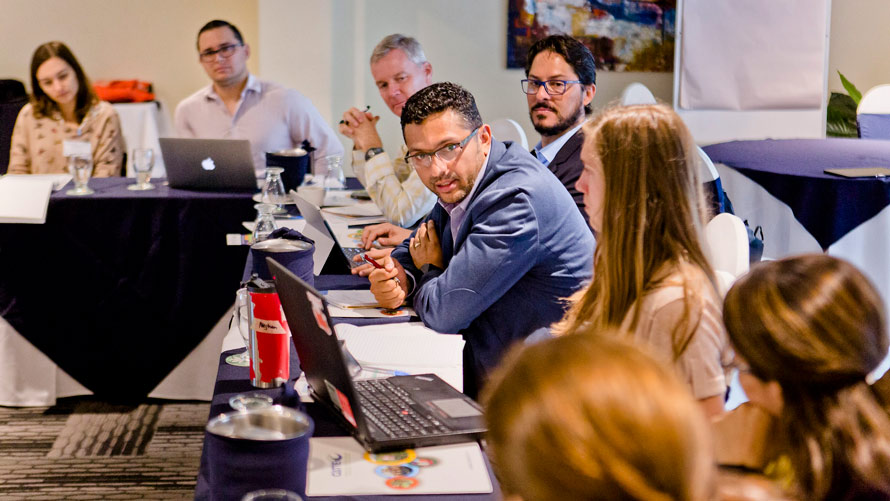
Policy and Partnerships
The Gund Institute for Environment accelerates real-world solutions for society by connecting leading researchers with leaders in government, business, and NGOs. Learn more here.
Events
- Guest Speaker: Alexander Barron
Discussion on Carbon Pricing and Climate Action
Monday, April 29 from 12-1:30pm
Sugar Maple Ballroom, Davis Center, UVM
RSVP to Eric Urbaniak at eric.urbaniak@uvm.edu
Sponsored by Rubenstein School & UVM Office of Sustainability
Contact Us
Gund Institute for Environment
University of Vermont
Farrell Hall
210 Colchester Avenue
Burlington, Vermont
USA 05405 | Contact Us