During Breast Cancer Awareness Month, the Vermont Breast Cancer Surveillance System (VBCSS) highlighted research, education, and outreach efforts focused on improving breast cancer screening and early detection. From national research publications to educational events for clinicians and the public, the month's activities reflected VBCSS's ongoing commitment to advancing evidence-based breast cancer screening.
Research Advances in Supplemental Screening
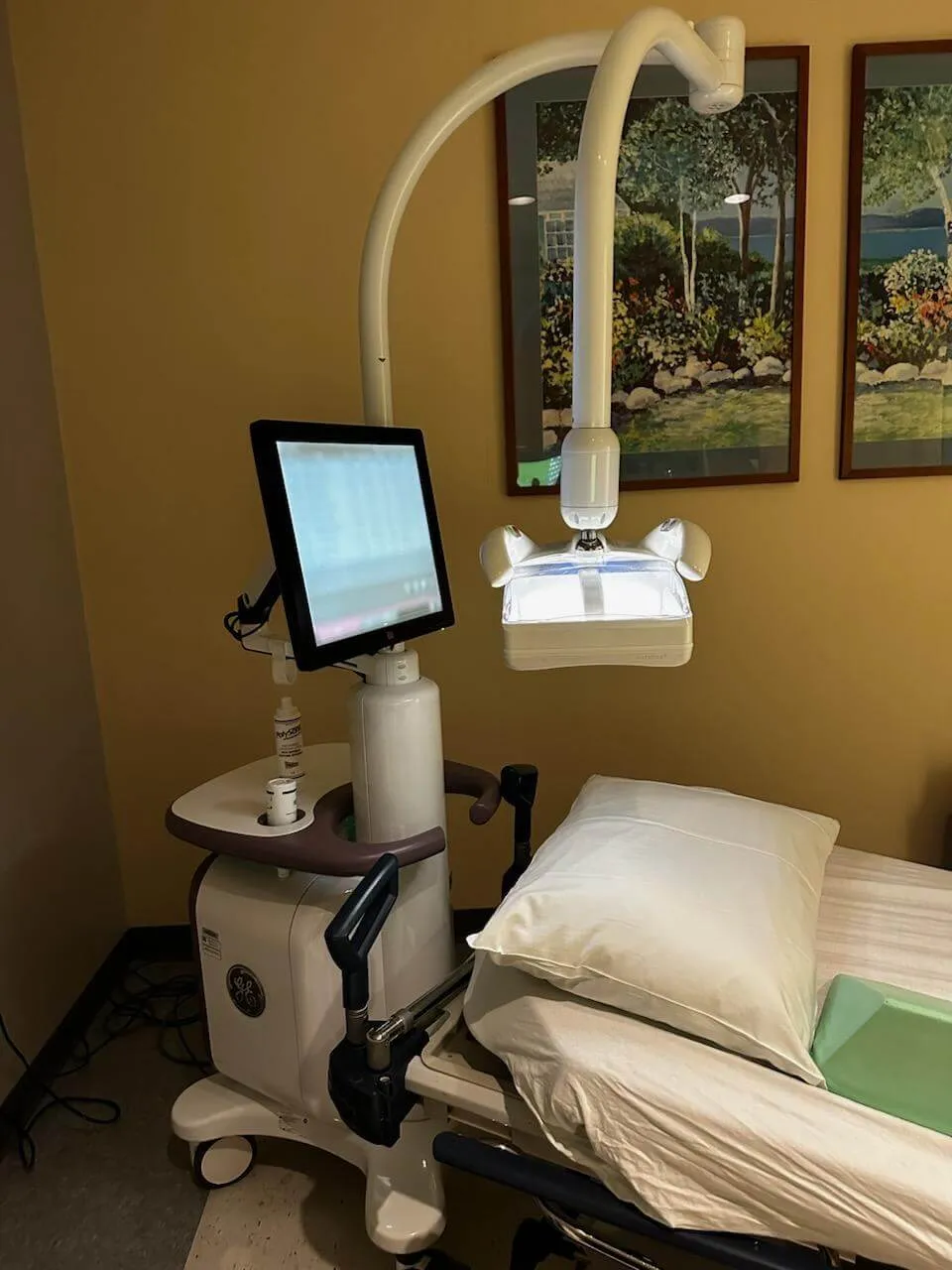
One notable achievement was national recognition of a study evaluating automated breast ultrasound (ABUS) as a supplemental screening tool for women with dense breasts. The research, co-authored by Brian Sprague, PhD and Hannah Perry, MD, found that ABUS produced fewer false-positive findings and fewer follow-up recommendations than handheld ultrasound while maintaining similar breast cancer detection rates. The study attracted attention from several national and specialty healthcare publications, highlighting growing interest in technologies that can improve breast cancer screening outcomes.
Advancing Breast Cancer Risk Assessment
The month also featured a visit from Kathryn P. Lowry, MD, Associate Professor of Radiology at the University of Washington and longtime VBCSS collaborator. During a UVM Cancer Center CroSSTOC seminar, Dr. Lowry discussed strengths and limitations of current breast cancer risk prediction models and reviewed emerging artificial intelligence–based approaches that may help identify women at elevated risk for breast cancer. Her presentation underscored the growing role of personalized risk assessment in shaping future screening strategies.
Understanding Declining Screening Participation
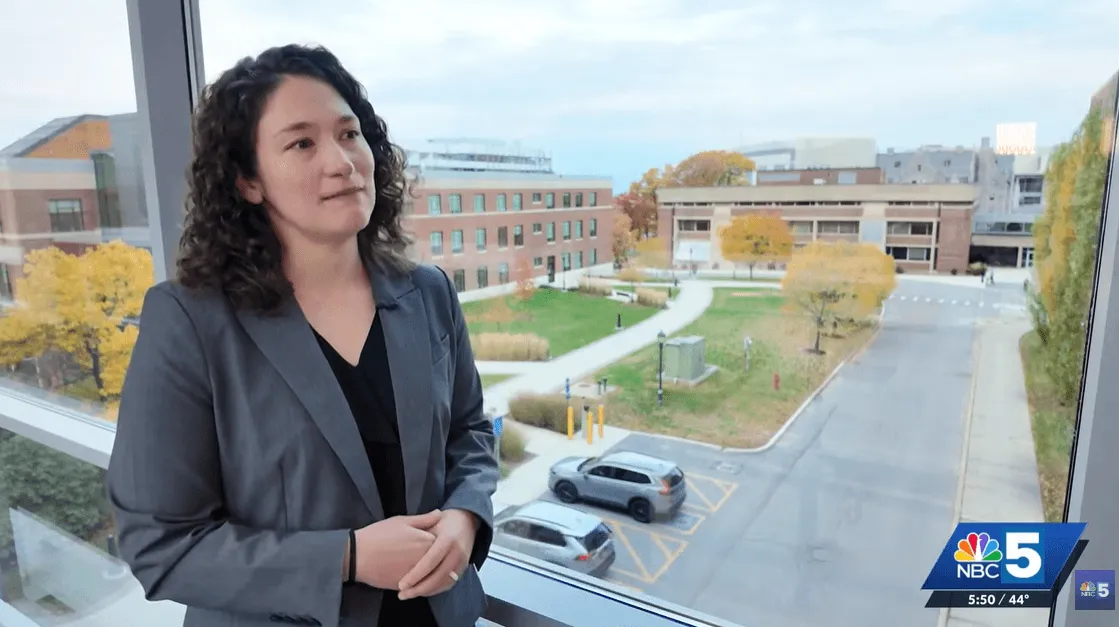
Research addressing screening participation was another important focus during the month. A recent study led by VBCSS co-director, Sarah A. Nowak, PhD found that mammography screening rates among Vermont women have steadily declined over the past 14 years, with the largest decreases observed among women ages 40 to 49. The findings generated significant public interest and were featured through both podcast and television interviews, helping bring attention to the importance of routine breast cancer screening and early detection.
Educating Providers on Personalized Screening
Education for healthcare providers also remained a priority. The UVM Cancer Center hosted a continuing medical education session, Breast Cancer Screening: Who, When, Why, How?, presented by Hannah Perry, MD and Brian Sprague, PhD. The session provided primary care providers with updated information on breast cancer risk assessment, individualized screening recommendations, supplemental screening options for women with dense breasts, and emerging research on screening participation trends in Vermont.
Looking Ahead
Together, these activities highlight the breadth of work supported by VBCSS and its collaborators. By conducting research, educating healthcare professionals, and engaging the public, VBCSS continues to contribute to a growing body of evidence that supports earlier detection, more personalized screening approaches, and improved breast health outcomes for women in Vermont and across the United States.
Learn More
Featured Research and Events
- VBCSS Collaborator, Kathryn Lowry, MD gives UVM Cancer Center CroSSTOC seminar.
- Breast Cancer Screening CME Highlights Risk-Based Approaches to Early Detection
- JACR: Comparison of Supplemental Breast Cancer Screening Outcomes for Automated Versus Handheld Ultrasound
- Cancer Epidemiology, Biomarkers and Prevention: Individual-Level Trends in Mammography Screening over 14 years: Results from an All-Payer Statewide Claims Database
- All VBCSS Research Studies
Media Coverage
- Season 2 Episode 10 of the Living Healthy Together podcast: Why Are Vermont Women Skipping Mammograms?
- NBC5/WPTZ: Fewer Vermont women are getting routine mammograms, according to the UVM Cancer Center.
- UVM Cancer Center: Fewer Vermont Women Are Getting Regular Mammograms, Researchers Report
- Oncology Nursing News: Automated Breast Ultrasound Tied to Fewer False-Positives in Dense Breasts
- Imaging Technology News: Study: Automated Breast Ultrasound Is Effective Alternative to Handheld Ultrasound for Breast Cancer Screening
- The ASCO Post: Automated vs Handheld Ultrasound for Breast Cancer Screening
- Applied Radiology: Evaluating the Role of Automated Breast Ultrasound in Dense Breast Screening
- AuntMinnie: ABUS recommended over HHUS in breast cancer screening
- BCSC Blog: ABUS vs. HHUS Supplemental Breast Cancer Screening Outcomes