The University of Vermont Cancer Center recently hosted a Continuing Medical Education (CME) session, Breast Cancer Screening: Who, When, Why, How?, for primary care providers across Vermont. The presentation featured Hannah Perry, MD, chief breast radiologist at the University of Vermont Medical Center, and Brian Sprague, PhD, principal investigator of the Vermont Breast Cancer Surveillance System (VBCSS).
The session focused on the importance of evidence-based breast cancer screening and the role primary care providers play in helping patients understand their individual risk and make informed screening decisions.
Dr. Perry reviewed the many factors that can influence breast cancer risk, including age, family history, personal medical history, breast density, and other clinical characteristics. She highlighted several validated risk assessment tools available to providers, including the Breast Cancer Surveillance Consortium (BCSC) 5-Year Invasive Breast Cancer Risk Calculator, and discussed how these tools can help guide screening recommendations and identify women who may benefit from supplemental imaging.
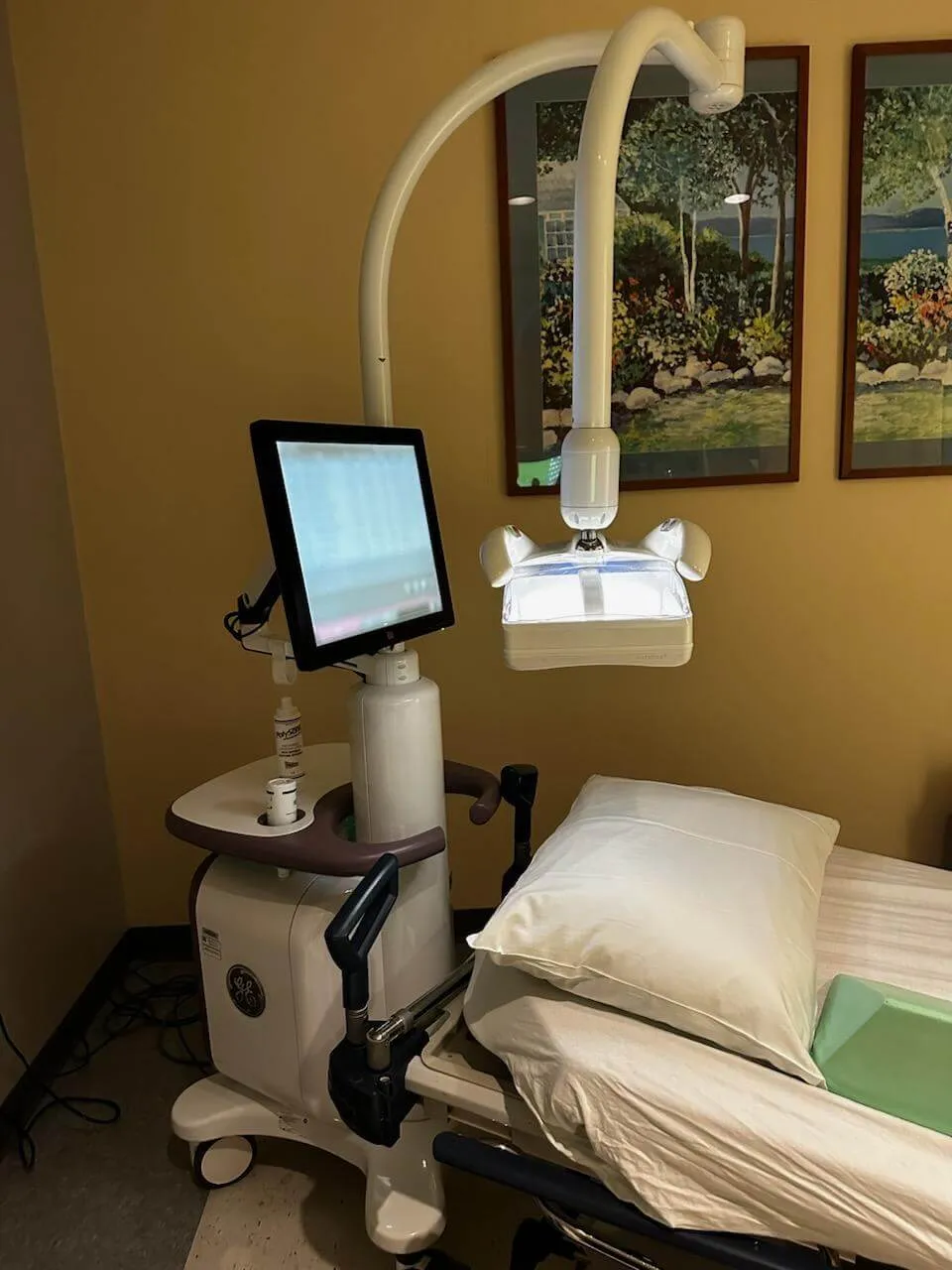
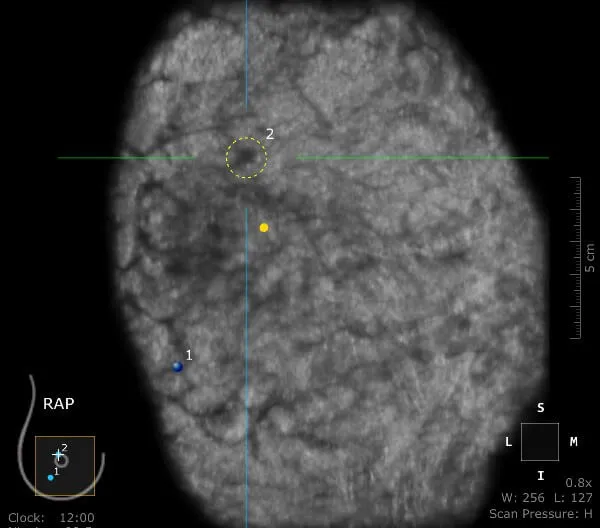
A key theme of the presentation was the growing emphasis on risk-based screening approaches. Dr. Perry explained that women with dense breast tissue may benefit from supplemental ultrasound screening in addition to routine mammography, while women with elevated lifetime breast cancer risk may be candidates for enhanced screening with breast MRI. Matching screening strategies to individual risk profiles can improve early detection while supporting more personalized patient care.
Dr. Sprague presented findings from research linking VBCSS data with the Vermont Healthcare Uniform Reporting and Evaluation System (VHCURES). The analysis demonstrated a concerning decline in breast cancer screening participation among Vermont women over time, especially women in the 40-49 age group.
The presentation also explored factors associated with lower screening participation. These included lack of an established primary care provider, socioeconomic and insurance-related barriers, lower educational attainment, lower perceived breast cancer risk, and demographic differences in screening participation. Together, these findings underscore the importance of ensuring that patients receive both access to screening services and accurate information about the benefits of early detection.
The session highlighted the critical role of collaboration among primary care providers, radiologists, researchers, and health systems in improving breast cancer screening participation and ensuring Vermont women receive timely, appropriate, and equitable access to preventive care.